LEARNING ABOUT
ECOSYSTEMS & FORESTS (LEAF)
It all starts outdoors
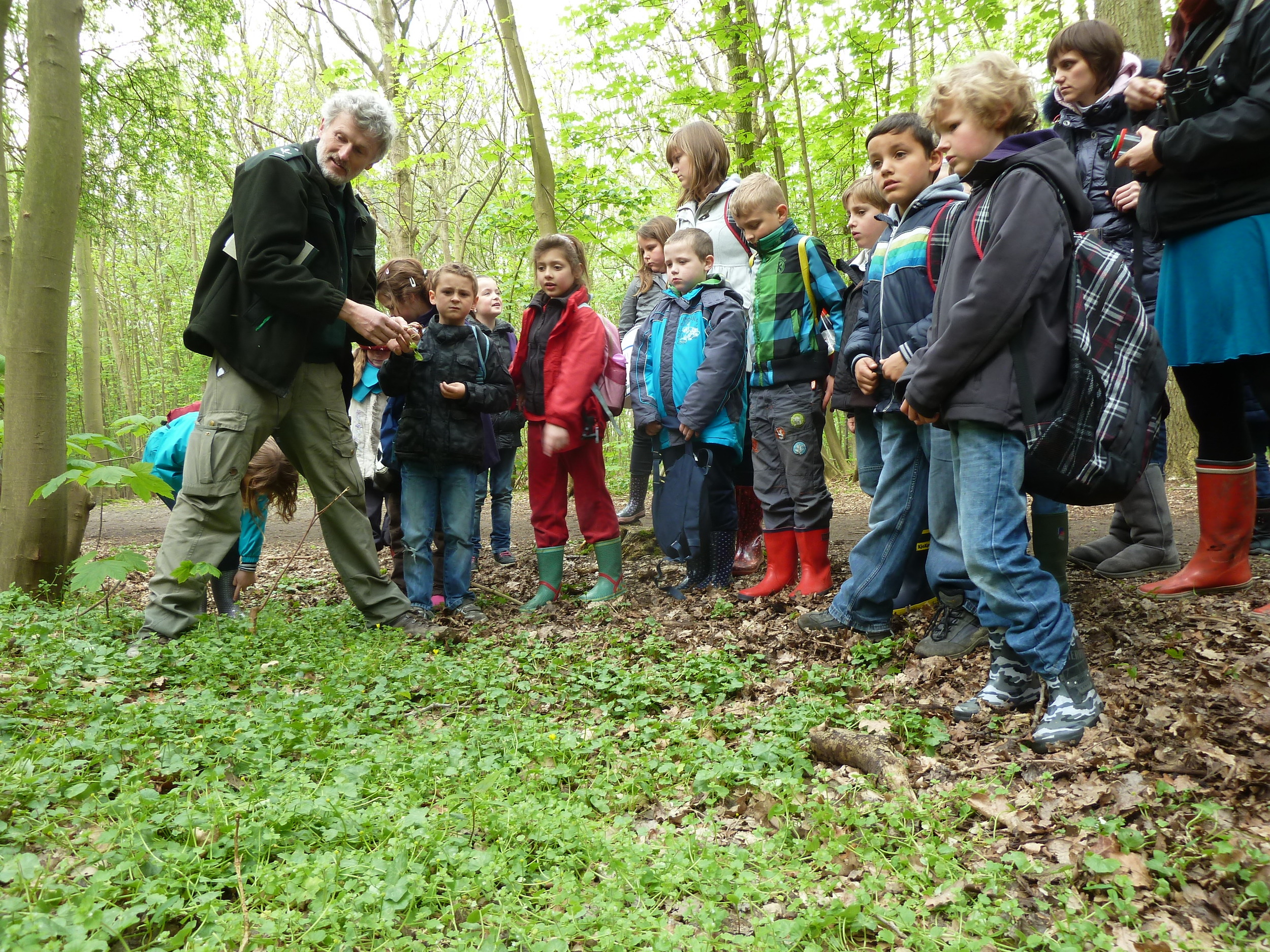
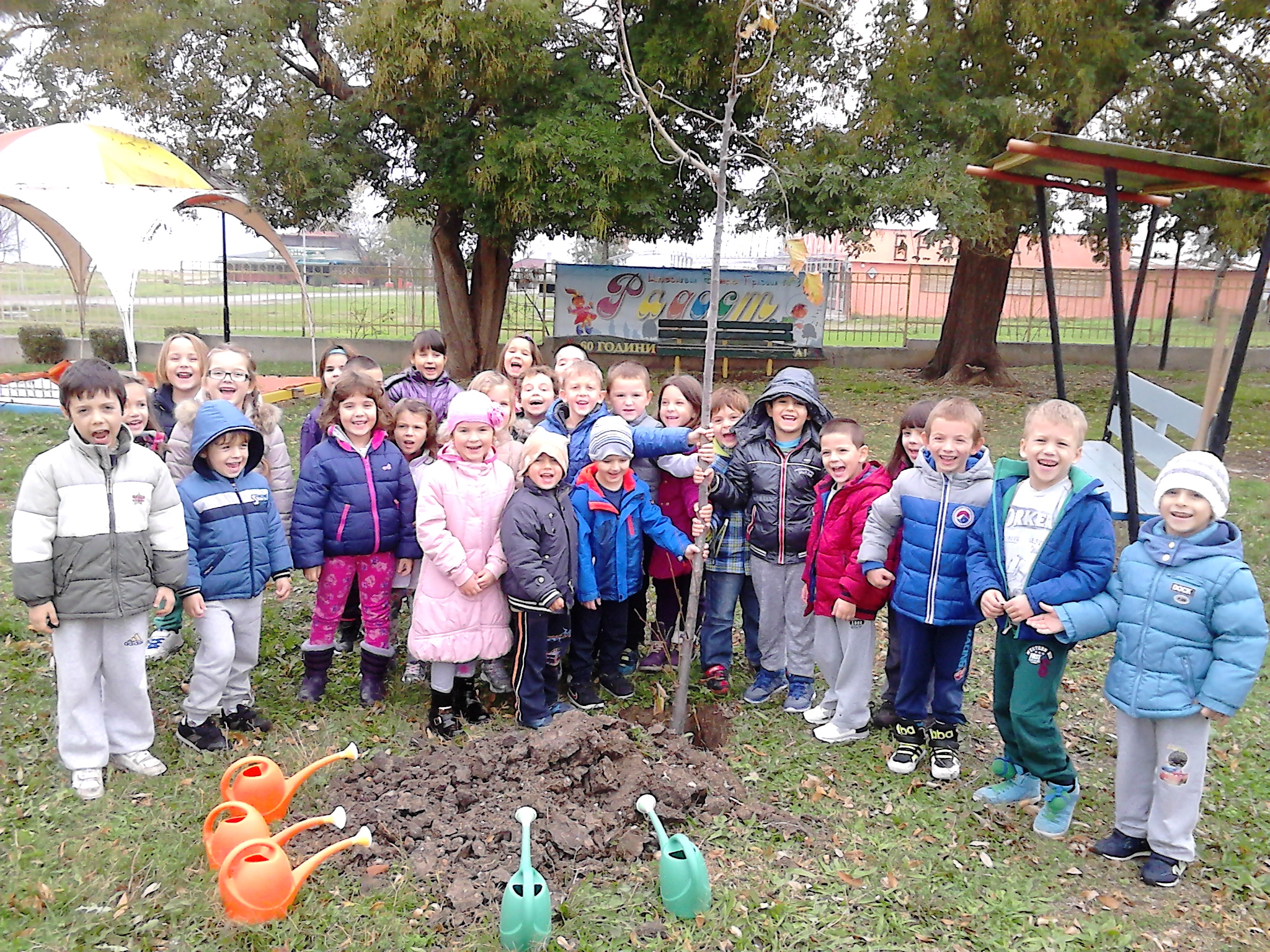
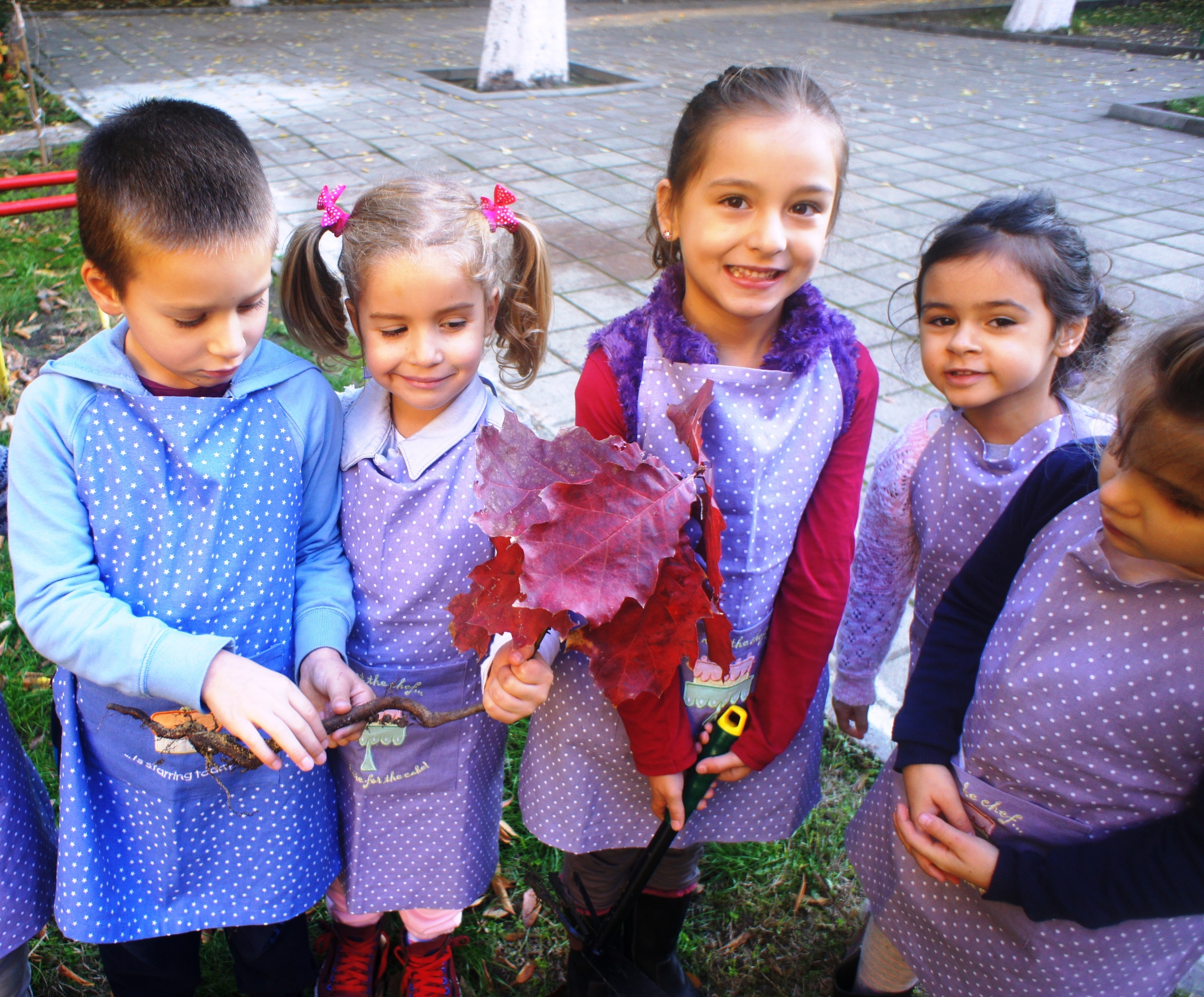
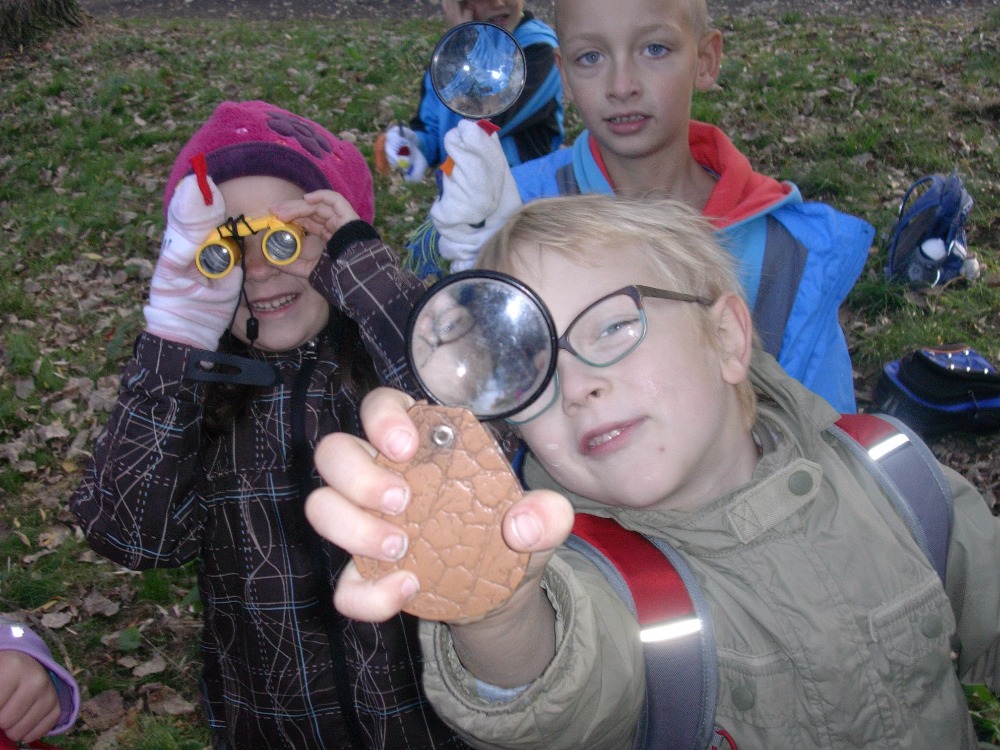
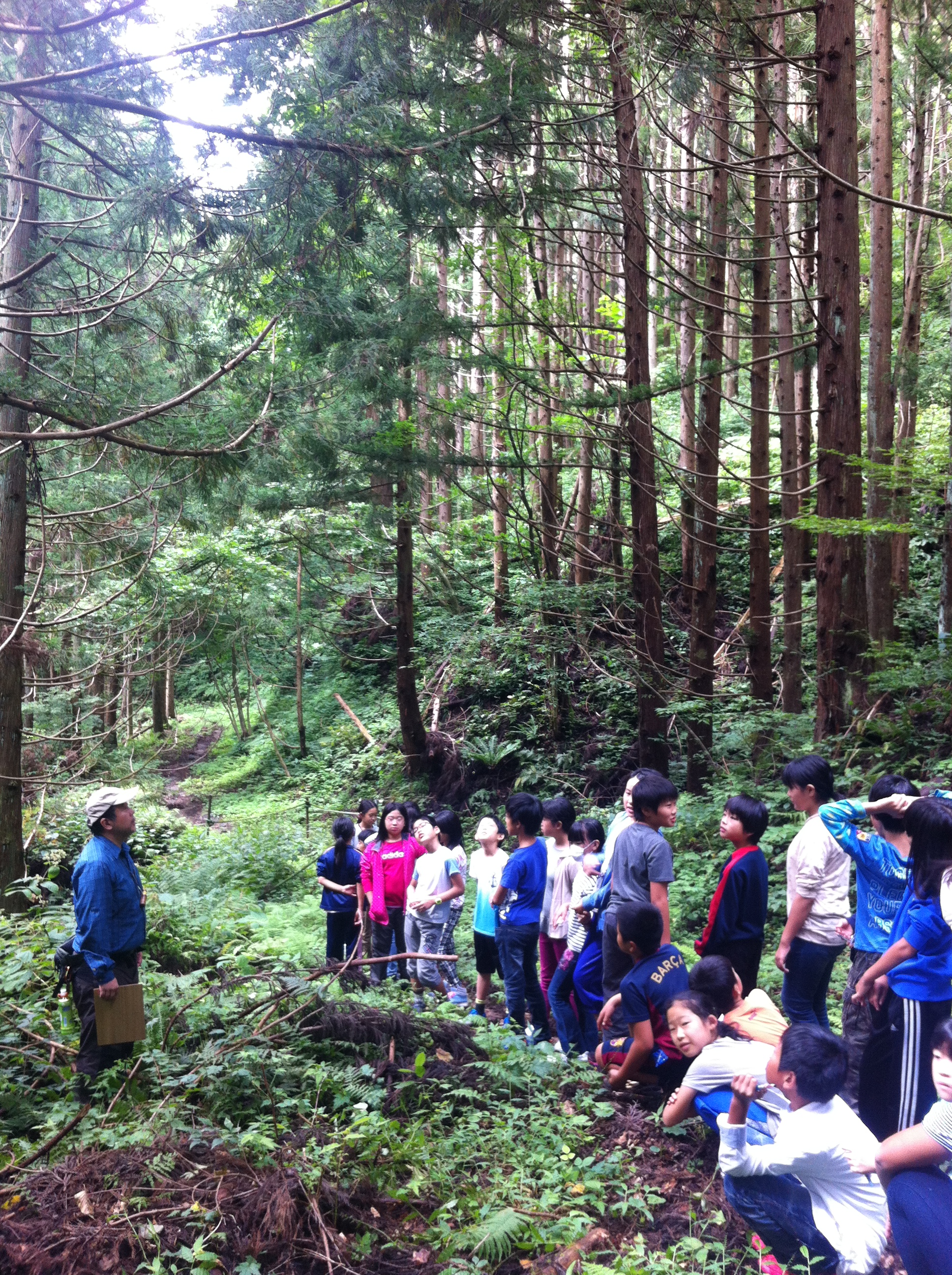
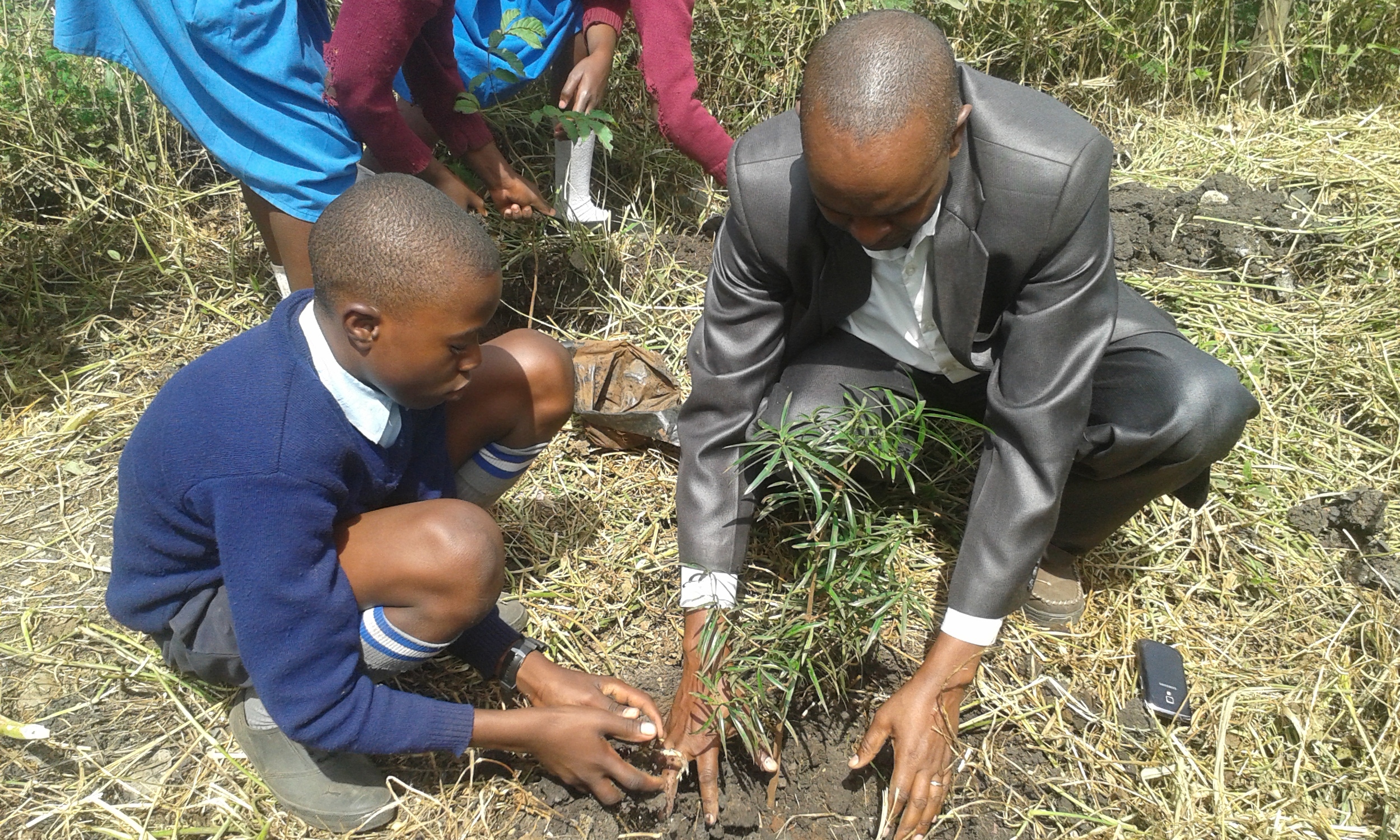
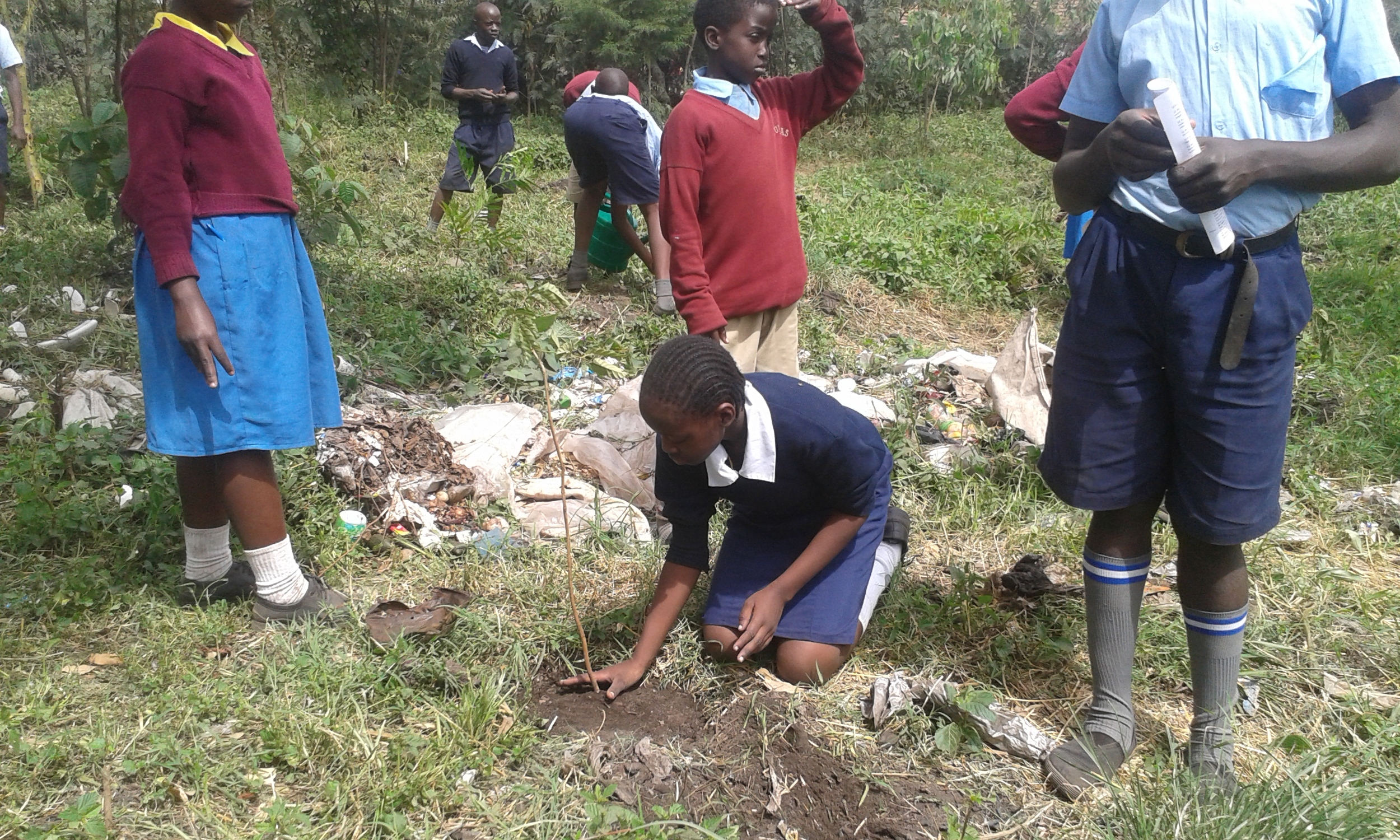
LEAF is rooted in outdoor learning that helps people connect with nature beyond the classroom through hands-on, place-based experiences. Our programme invites learners of all ages to explore, understand, and care for the ecosystems around them. By discovering how healthy ecosystems support daily lives, learners deepen their connection with local ecosystems, build their understanding, and feel inspired to take action to protect, improve, and, where possible, restore their environments.
As an internationally recognised outdoor learning programme and part of FEE’s contribution to the UN Decade on Ecosystem Restoration, LEAF helps participants turn global environmental goals into local action. It supports learners in building the knowledge, skills, and values needed to drive positive change at a local level.
Connects with Nature
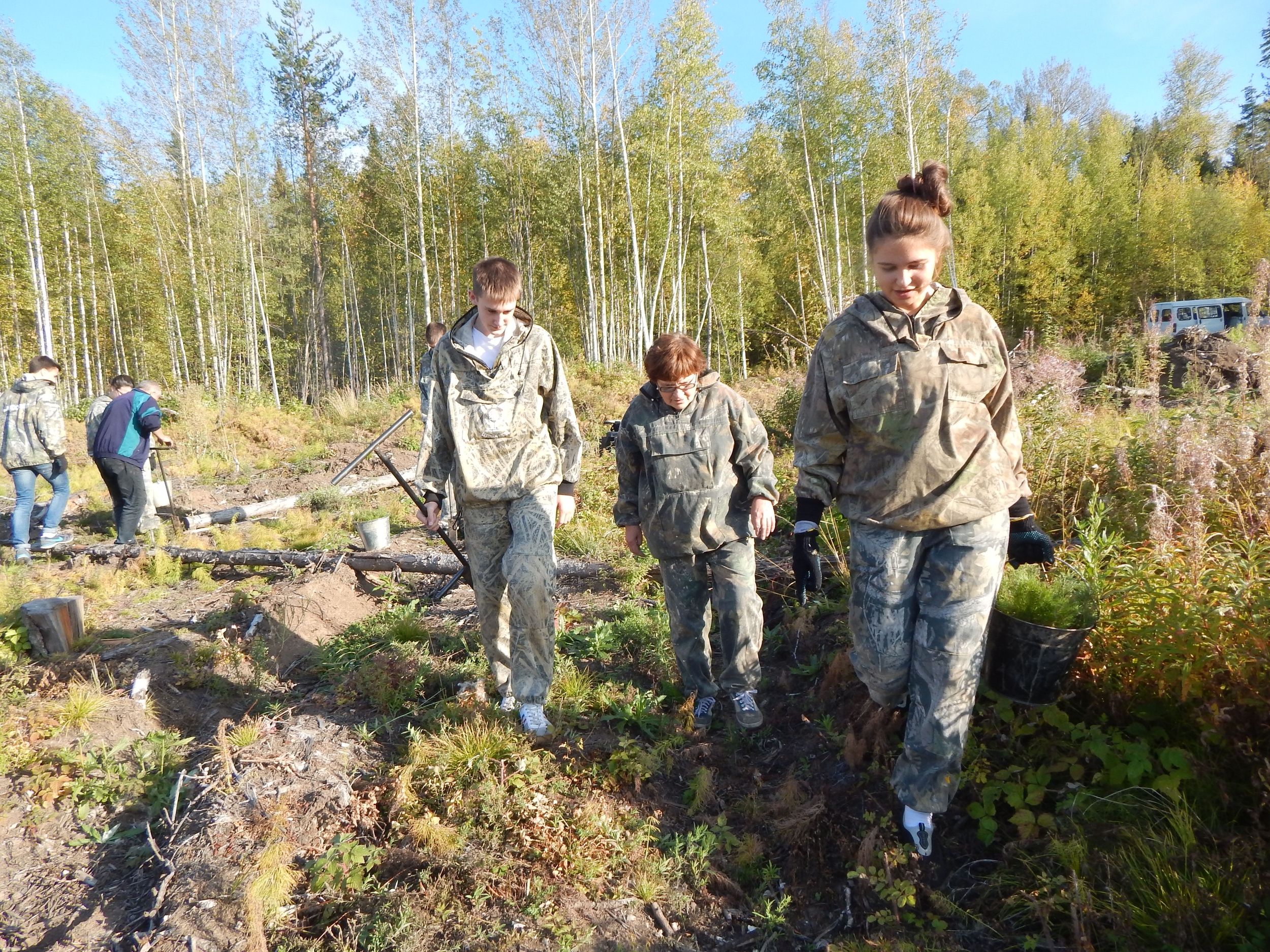
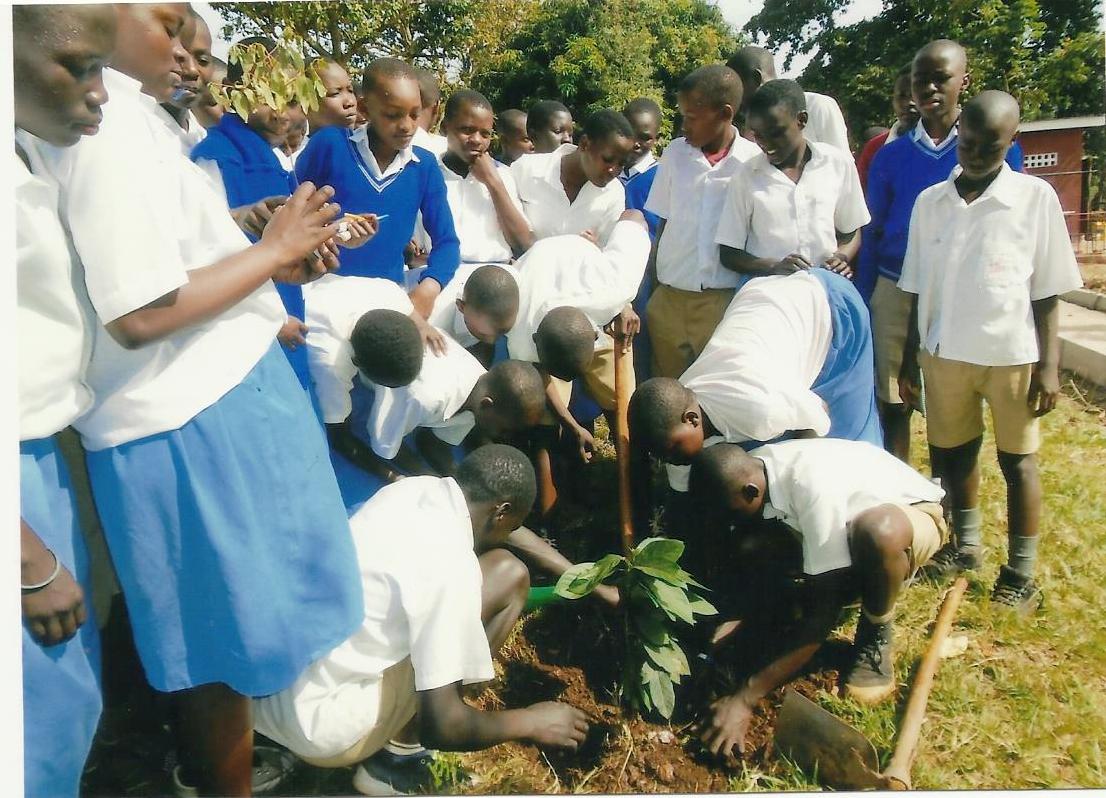
At the heart of LEAF are outdoor, hands-on experiences that invite participants to explore and connect with the natural world around them. As they spend more time outdoors, learners develop a stronger sense of connection, care and responsibility for their local environments.Educate
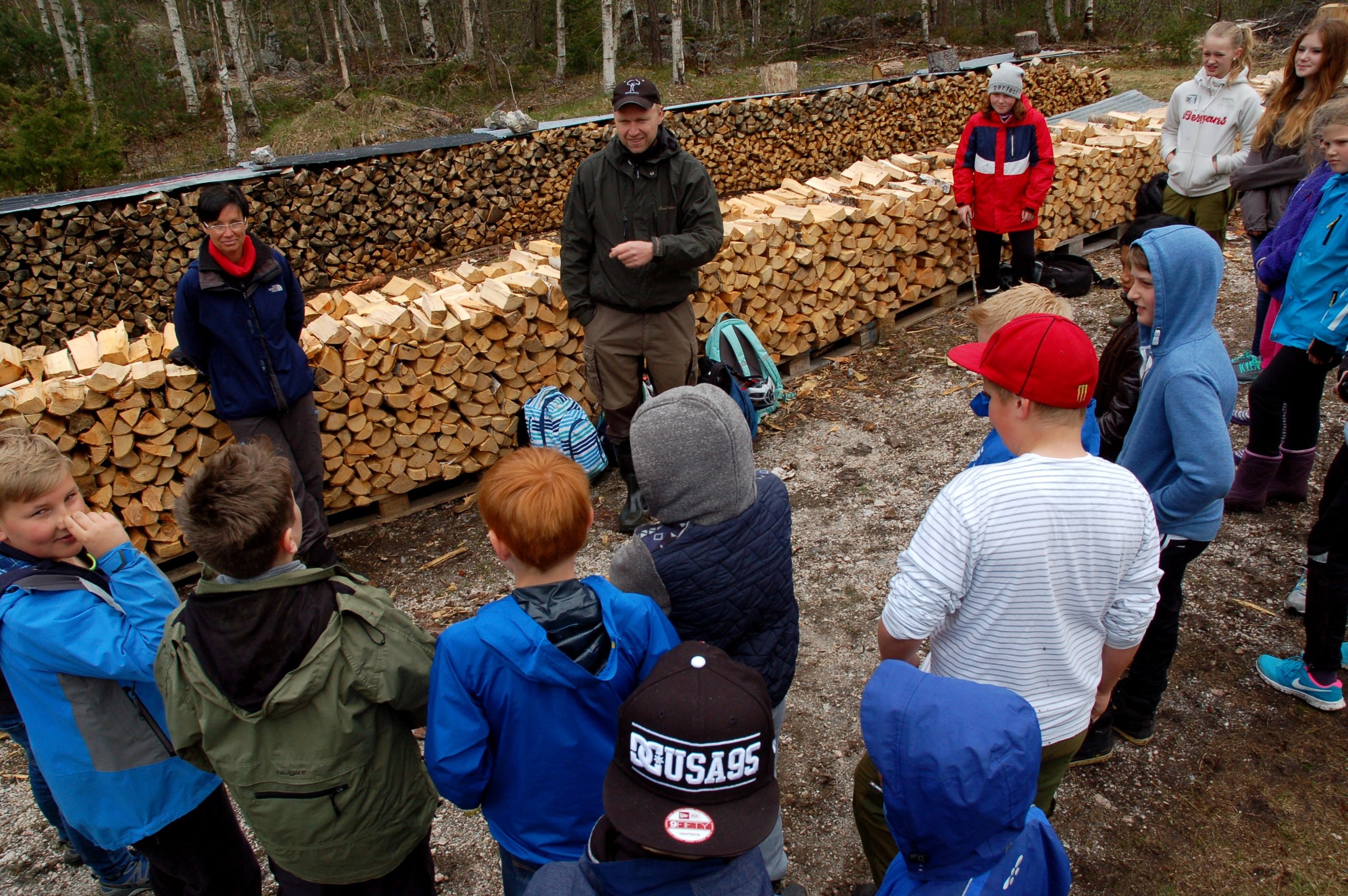
Through hands-on learning, the LEAF programme educates about all aspects of the forested environment, encouraging students to understand and engage more with their surroundings.
Experience the Outdoors
With LEAF, learning happens outdoors. By exploring forests, parks, beaches, rivers, gardens, neighbourhood and school grounds participants gain a deeper understanding of how local ecosystems function and how they support daily life.
Engages Communities
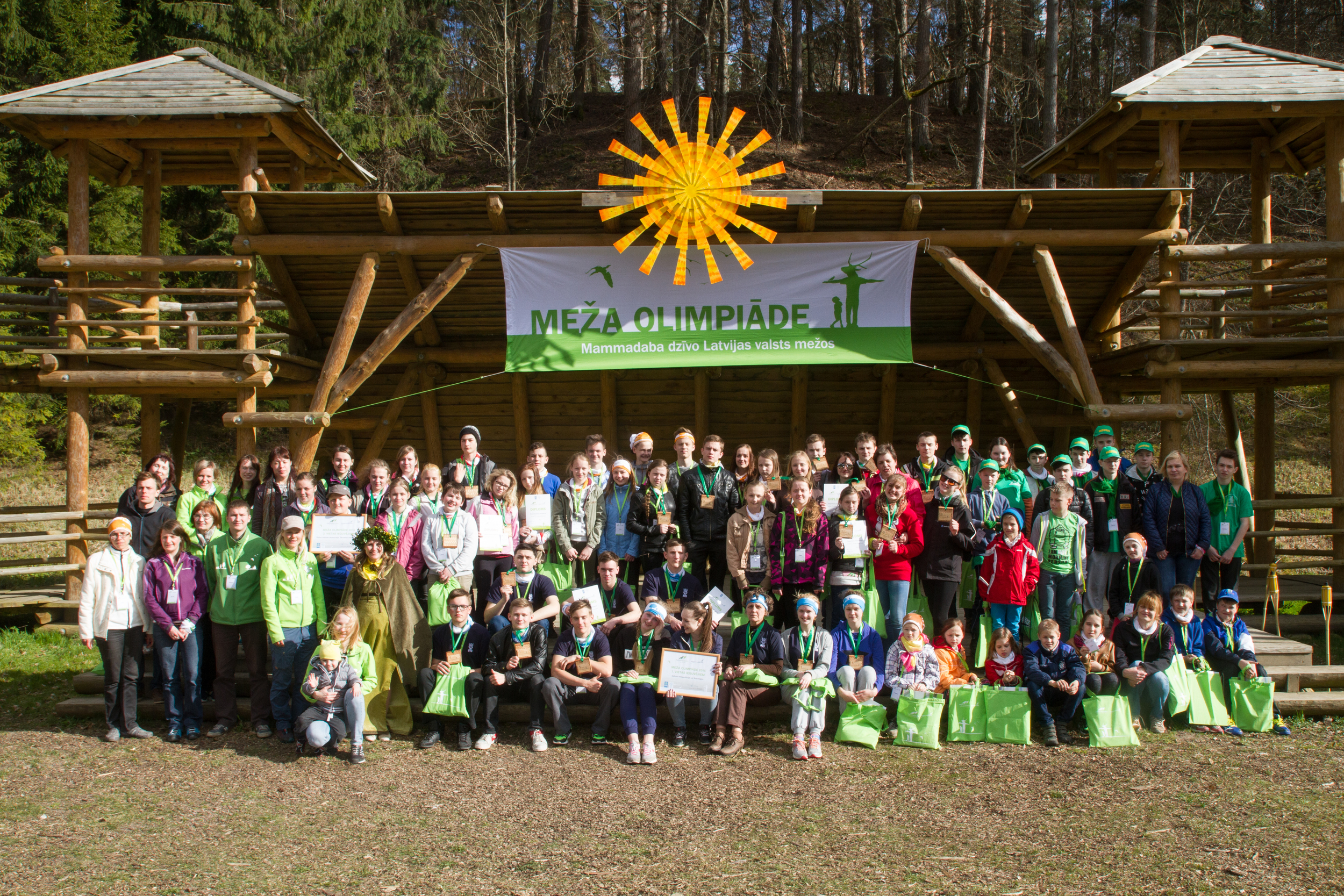
LEAF brings together participants of all ages and backgrounds, from learners and educators to families and local groups. By connecting people through outdoor learning and shared experiences in nature, LEAF helps turn individual experiences into collective environmental action.
Connects Globally
As an international programme, LEAF connects participants across countries, cultures, biomes and ecosystems. It creates a global network where learners and educators share environmental knowledge, collaborate, exchange good practices, and collaborate on actions that support nature.

Aims of the LEAF Programme
To see an increased level of awareness and knowledge about the key role forests play for sustainable life on our planet.
To stimulate activities that will help students achieve an increased level of environmental maturity irrespective of age and previous knowledge.
Goals and Objectives
Ensure students learn to enjoy the outdoors, experience and observe nature. Encourage positive experiences outdoors and develop a positive attitude toward the environment and our forests. Help students gain a general curiosity about nature and human interaction with forests.
Ensure students understand the ecological web. It is important to understand the ecology of forests. This knowledge leads to a better understanding of nature’s processes.
Ensure students understand the interplay of man and nature. The programme reflects all the functions forests fulfil for people: cultural, ecological, economic and social. Understanding the balance between these is crucial when understanding the potential conflict of interests that exist between different stakeholders.
Ensure students are capable of making decisions on environmental issues. By understanding the interplay between forests and humans we can identify where conflicts of interest may arise. Questioning skills are crucial to collect knowledge and reliable information. Based on education and knowledge, students can make well-informed decisions.
Ensure students help take responsibility for their future. Every individual is responsible for their own actions. The LEAF programme and the structured approach to education and awareness of forests has the potential to create a highly educated, informed and skilled population translating into many associated environmental, economic and societal benefits through better understanding of forests and related disciplines.