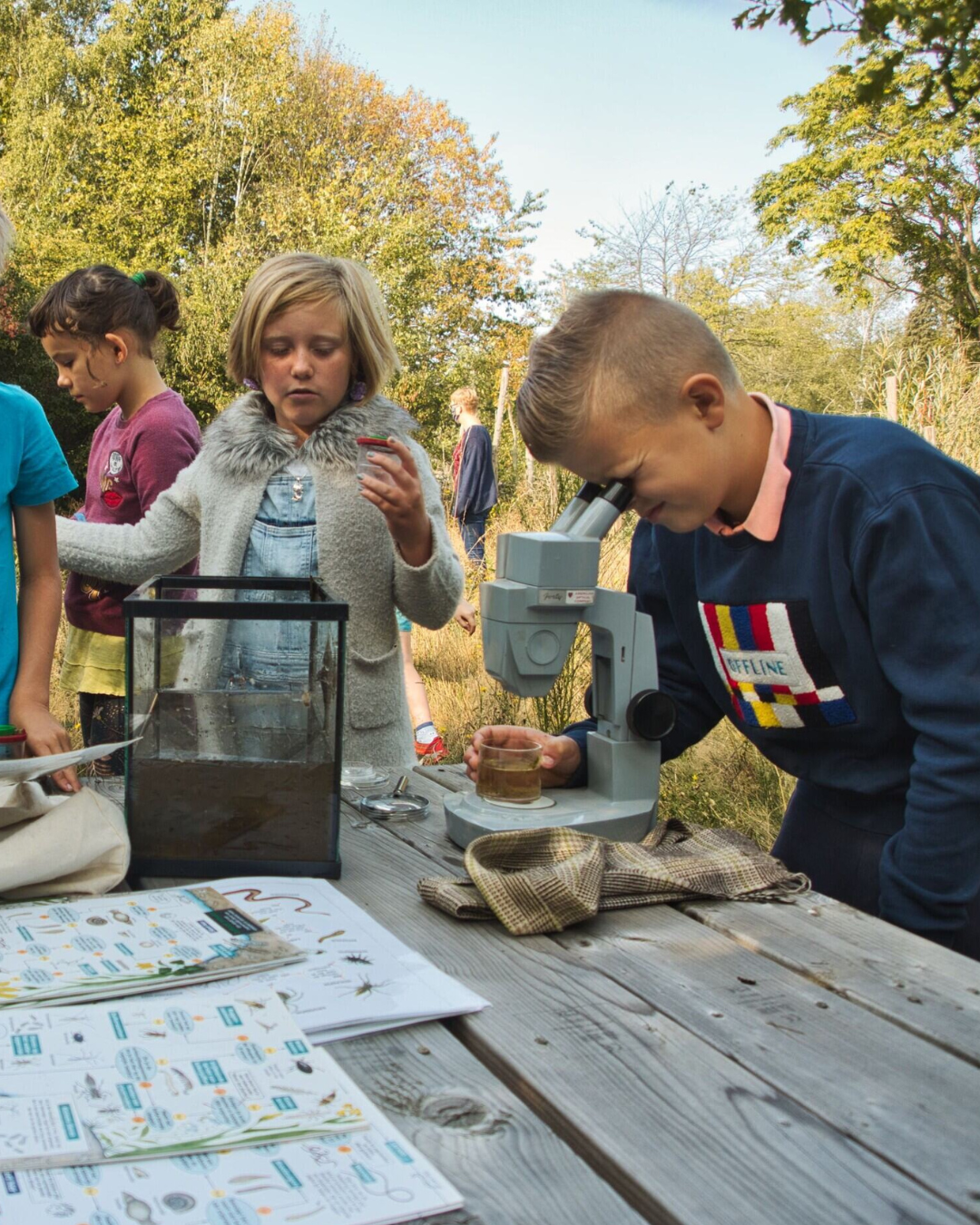
Learning about Ecosystems and Forests: Themes
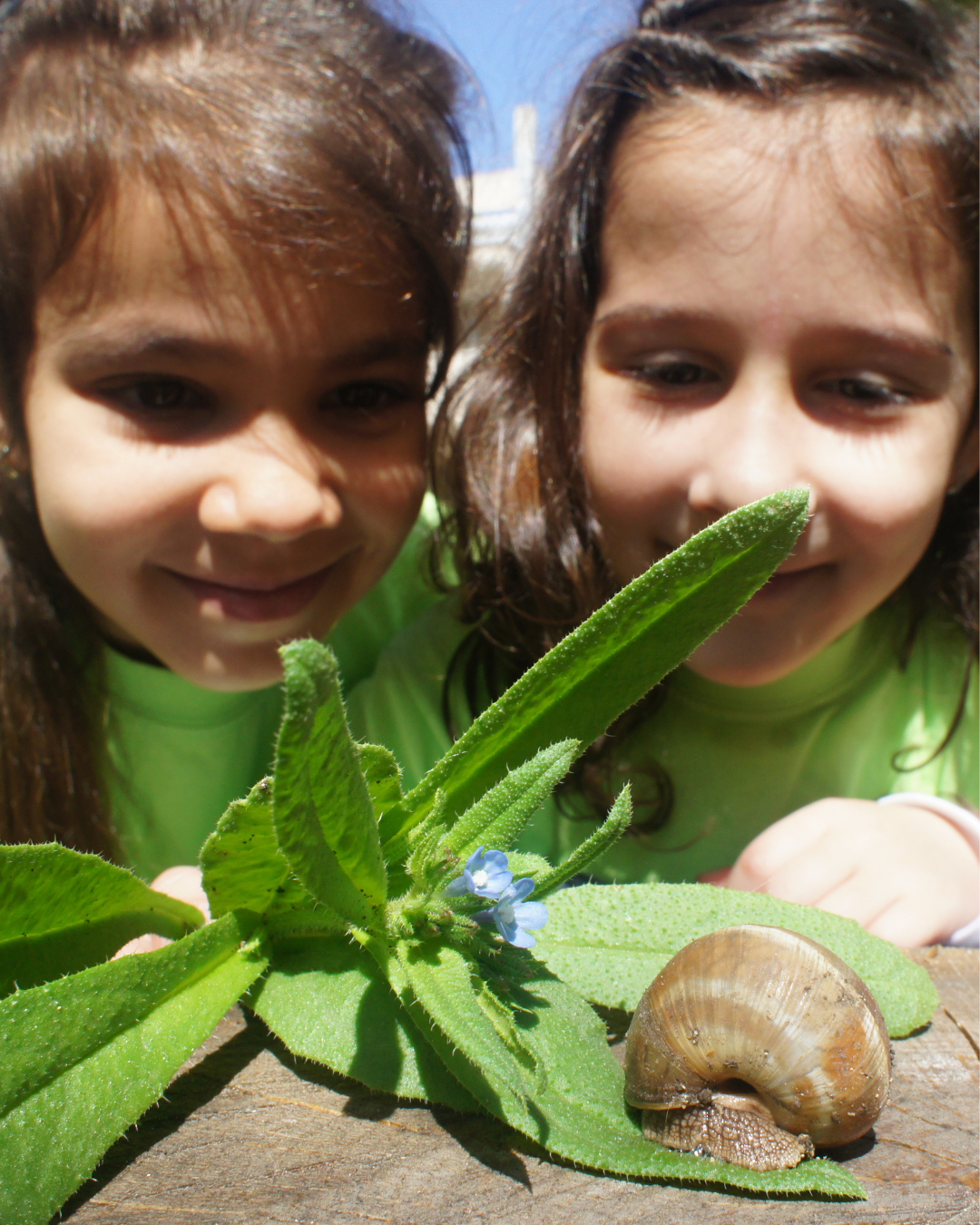
The LEAF programme is inspired by the principles of Ecosystem Restoration Education (ERE), a lifelong approach to environmental education that helps learners understand their local environment and take an active role in protecting and restoring it. Through outdoor, place-based experiences, learners explore their surroundings, discover how people and nature are interconnected, and recognise their role in supporting healthy ecosystems.
The LEAF Themes below offer a starting point for exploring the topic in ways that feel relevant and meaningful. While they are flexible and not mandatory, participants are encouraged to select at least one theme to explore throughout the year, adapting it to their local context.
-
![]()
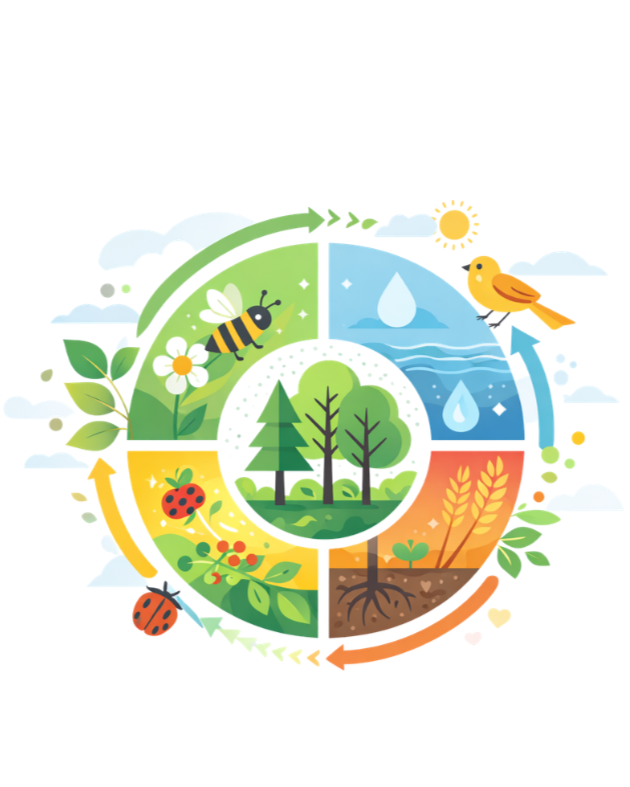
Biodiversity
Biodiversity is the variety of life in a place including plants, animals, fungi, and microorganisms and the complex relationships that connect them. It is one of the clearest signs of ecosystem health. When biodiversity is high, ecosystems tend to be more stable, adaptable, and better able to recover after disturbances.
In LEAF, learners are encouraged to explore key markers of biodiversity across different ecosystems, including processes such as pollination, nutrient cycling, climate regulation, and soil fertility. Learners also investigate how biodiversity can regenerate over time by reducing pressures and tracking ecological change. They build practical, real-world skills for ecosystem restoration that can be adapted to their own local contexts.
-
![]()
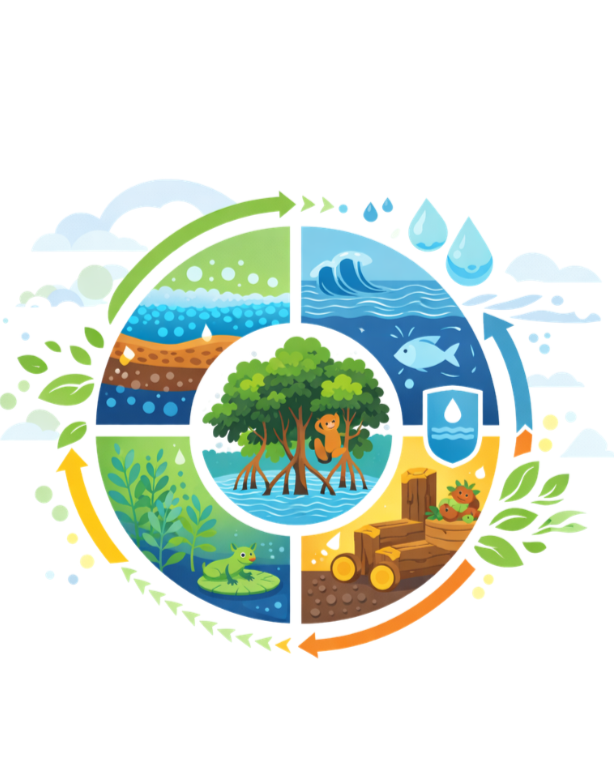
Water
Water connects all ecosystems. From rivers and lakes in freshwater systems to mangroves and kelp forests along coasts and oceans, water drives essential ecological processes that sustain life. It shapes habitats, carries nutrients, filters pollutants, reduces flooding, prevents soil erosion, stores carbon and supports clean, reliable water cycles.
In LEAF, learners explore their local environment as a living water system. They also investigate how restoration actions such as planting native vegetation, improving soil health, reducing runoff, or protecting riverbanks can strengthen both ecosystem health and community resilience.
-
![]()
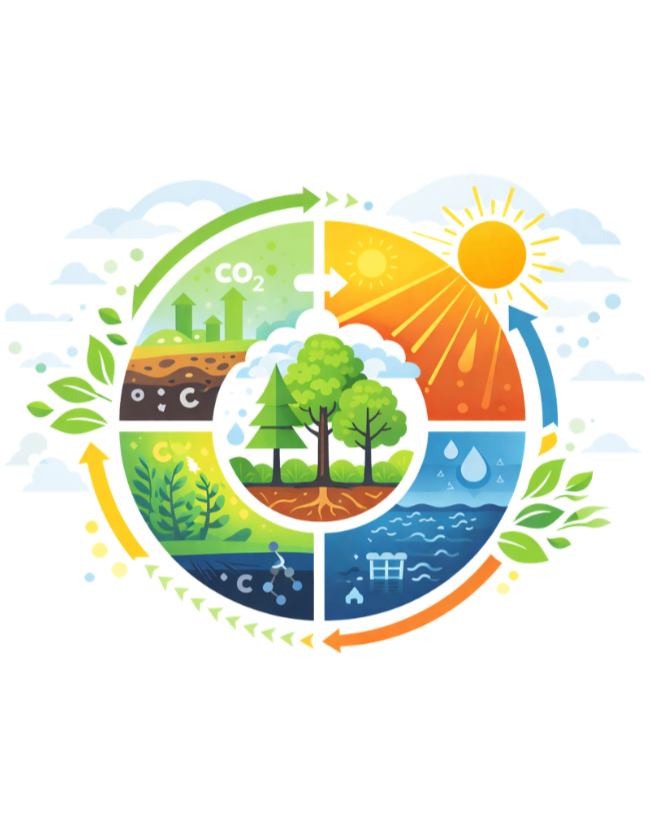
Climate
Climate is regulated by all living ecosystems, which support healthy water cycles, reduce temperature extremes and store atmospheric carbon. Forests, grasslands, and peatlands store carbon in plants, soils, and organic matter, while oceans and coastal ecosystems capture carbon through coral reefs, mangroves, seagrasses, and kelp forests. In towns and cities, green infrastructure further contributes to climate resilience.
In LEAF, climate learning is based in outdoors felt experience. Learners investigate how thriving ecosystems buffer extremes and explore restoration actions that strengthen ecological function such as improving soil structure, increasing habitat diversity, and protecting carbon-rich landscapes. They learn how to use climate solutions to improve ecosystem recovery and to foster stronger and more climate resilient communities.
-
![]()
Services
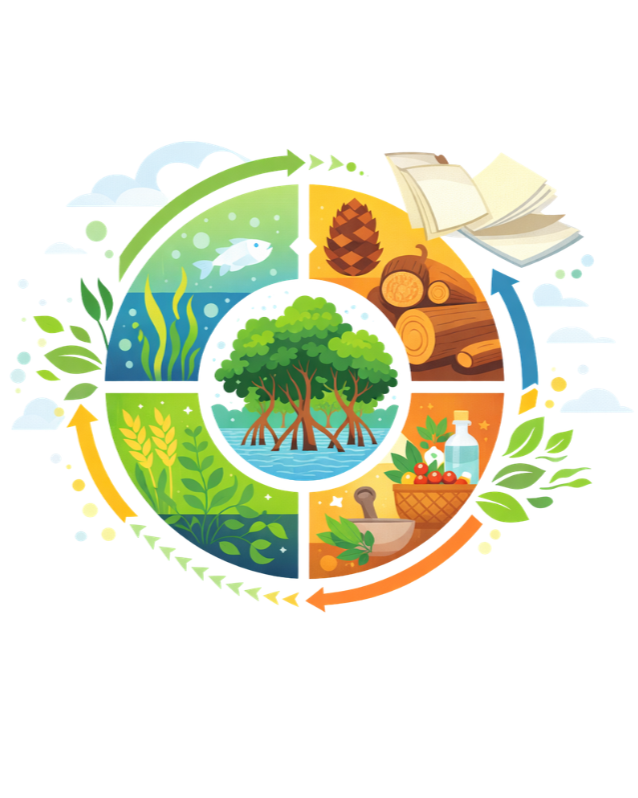
Services are all the benefits that humans obtain from nature and natural ecosystems. Ecosystems support our lives in many ways: through food, clean water, breathable air, and the benefits to physical and mental wellbeing. But these contributions depend on ecosystems being healthy, diverse and able to renew themselves.
In LEAF, learners are invited to shift from focusing on what we take from nature to understanding how we belong within it. They investigate what nature needs to keep providing benefits and consider how they can help in reduce harm, repair habitats and make choices that allows ecosystems and communities to thrive together.
-
![]()
Humanity
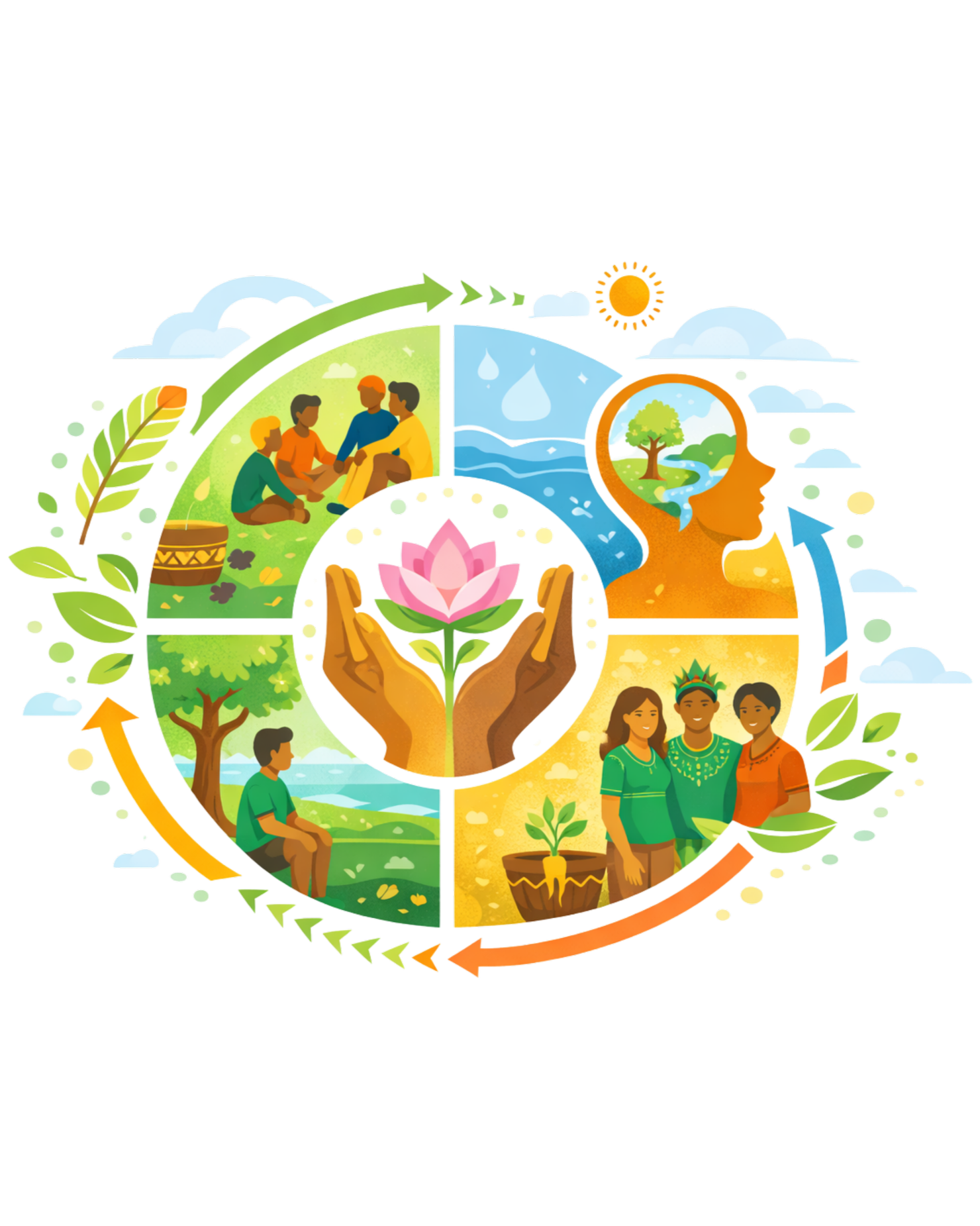
Humans are essential parts of every ecosystem. Our cultures, identities and communities are shaped by the places we live: the land, water, plants and animals around us influence how we live, connect and belong. Yet we often separate ourselves from nature, reducing our understanding of how actions are affecting the ecosystems we live in, overusing resources and compromising the life for future generations.
In LEAF, learners are encouraged to rediscover their connection with the natural world. By experiencing their local ecosystem, students can reflect on how it shapes their community and sense of identity. By recognising diverse experiences and voices, restoration becomes not only about repairing ecosystems, but also about supporting well-being, belonging and shared responsibility.
-
![]()
Innovation
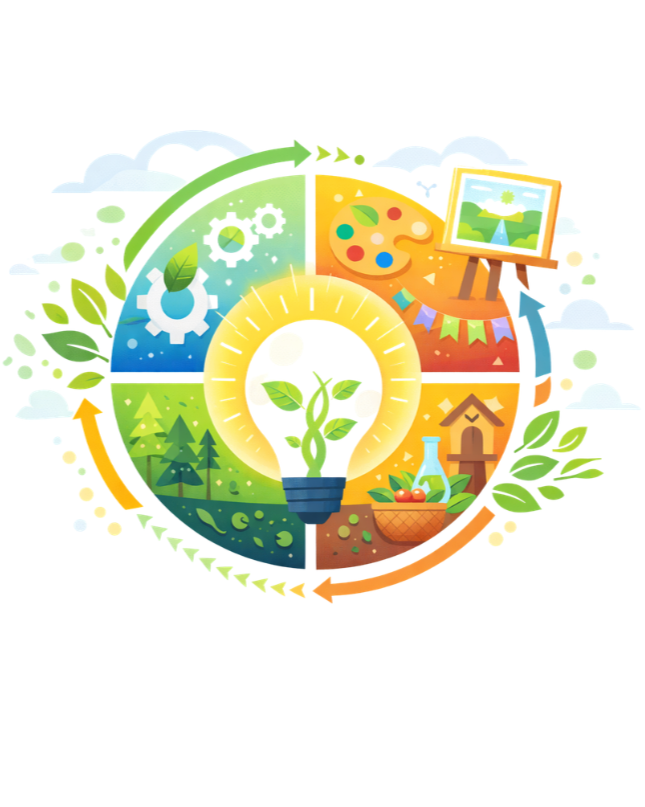
Innovation is about developing new and rediscovering traditional ways to respond to environmental challenges and support sustainable ecosystems. Solutions such as biophilic design and biomimicry draw ideas from forests, grasslands, wetlands, and marine ecosystems to address challenges in architecture, engineering and technology. Digital technologies, data, and artificial intelligence are increasingly used to understand complex environmental patterns, model change, and guide decision-making.
In LEAF, digital and future skills are used to deepen outdoor learning, not replace it. Learners use citizen science platforms, biodiversity mapping, environmental sensors, data analysis, and AI to explore their local area and design restoration actions that strengthen connection, understanding, and create meaningful, lasting impact.
Discover activities, lesson plans, good practices and other teaching resources for each of the themes below.