Activating learning through the LEAF Methodology
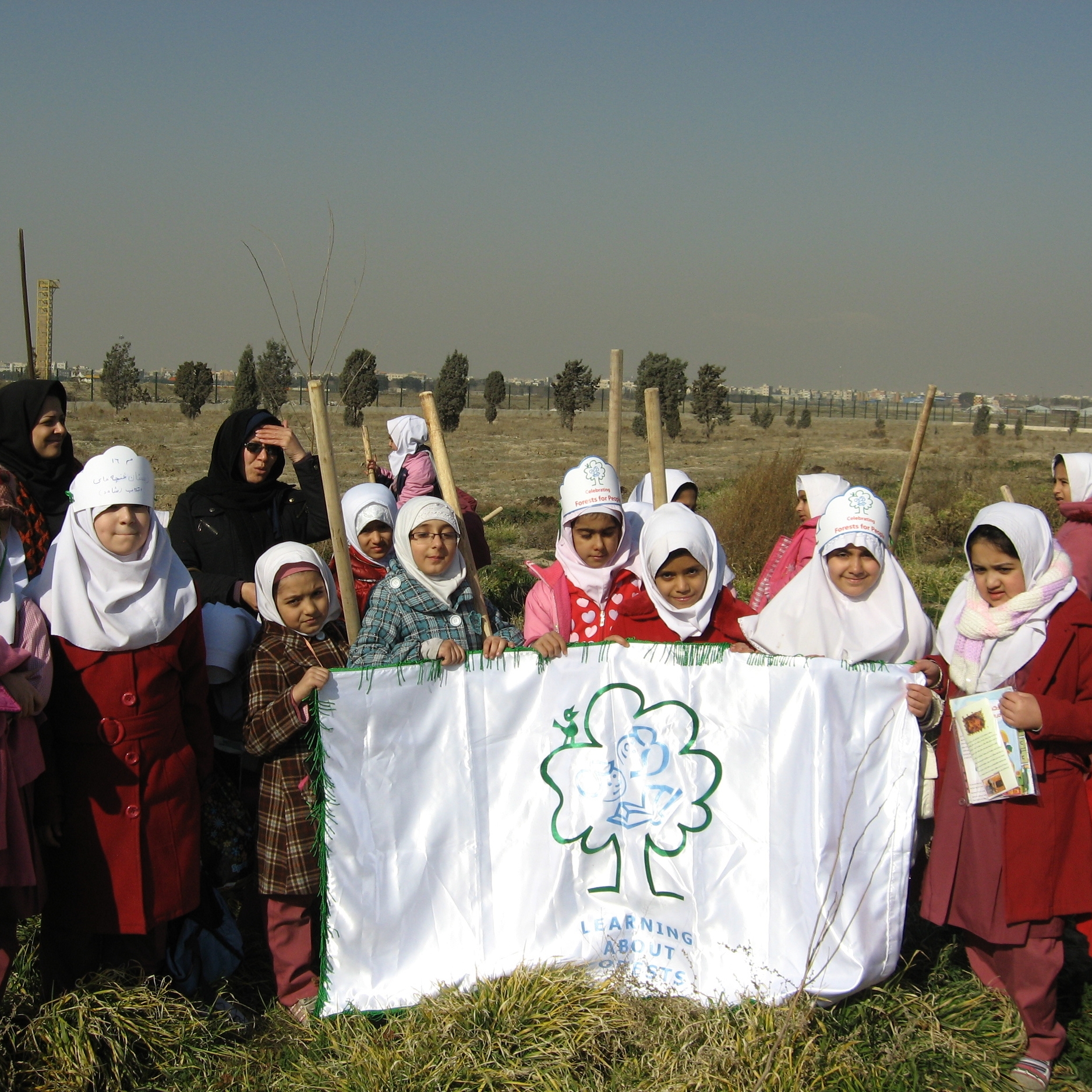
The Learning about Ecosystems and Forests programme connects learners and educators with diverse ecosystems and forests within the natural world through the LEAF Methodology. LEAF can be used by learners of any age and in any setting; schools, youth groups, families, community organisations, and informal learning settings. Start with wherever nature is accessible.
By exploring the Four Steps, LEAF learners develop the knowledge and skills to embed nature connection, ecosystem restoration and environmental stewardship throughout a lifelong education journey which aligns with Ecosystem Restoration Education (ERE), outdoor learning, nature and biodiversity education.

Follow the LEAF Methodology to maximise impact in your learning setting.
The LEAF Four Steps
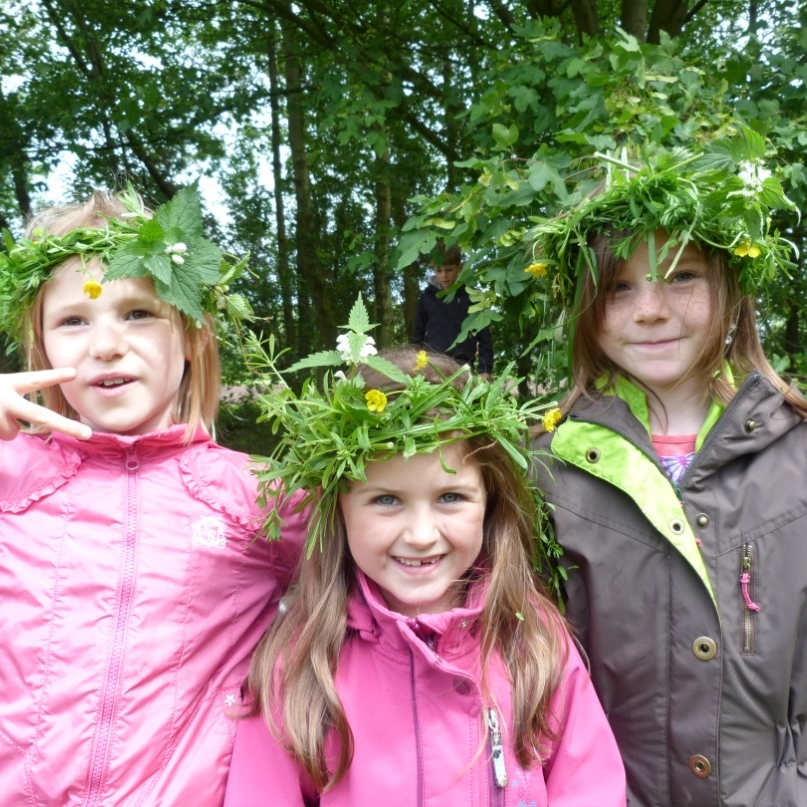
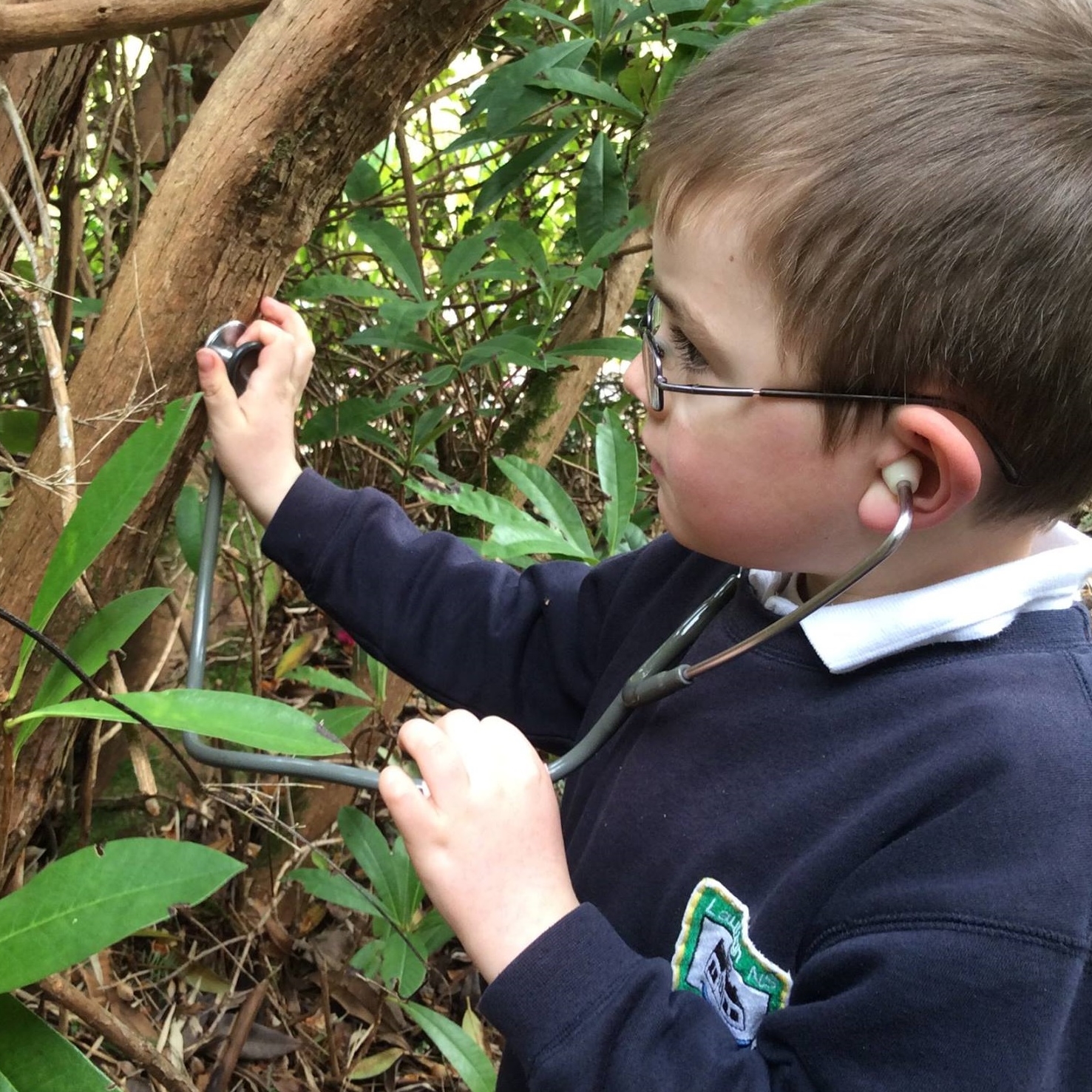
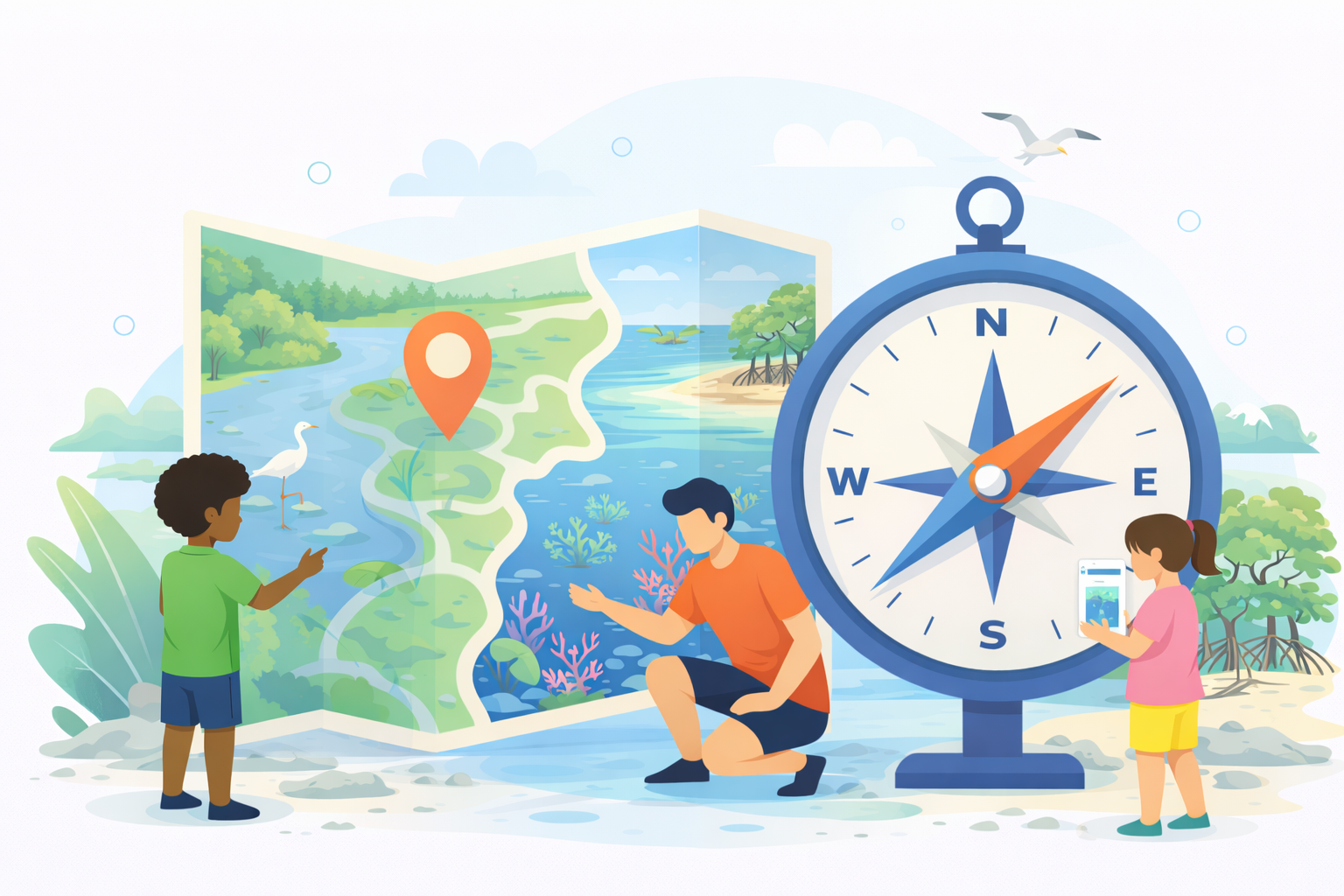
Look and Observe
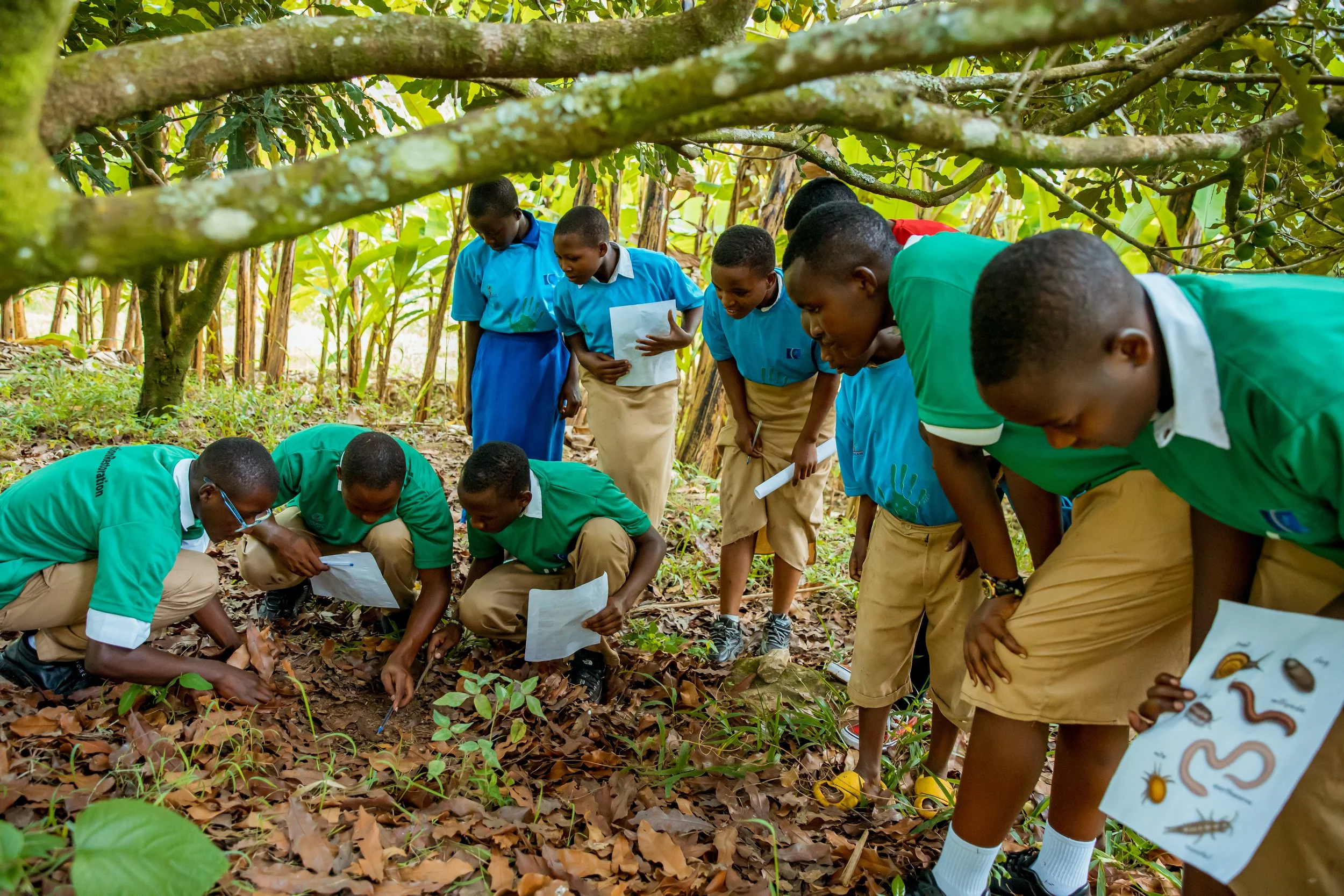
Learners take an in-depth look at nature around them. This can be any nature that is accessible; a local park, community garden, school yard or a tree on the street.
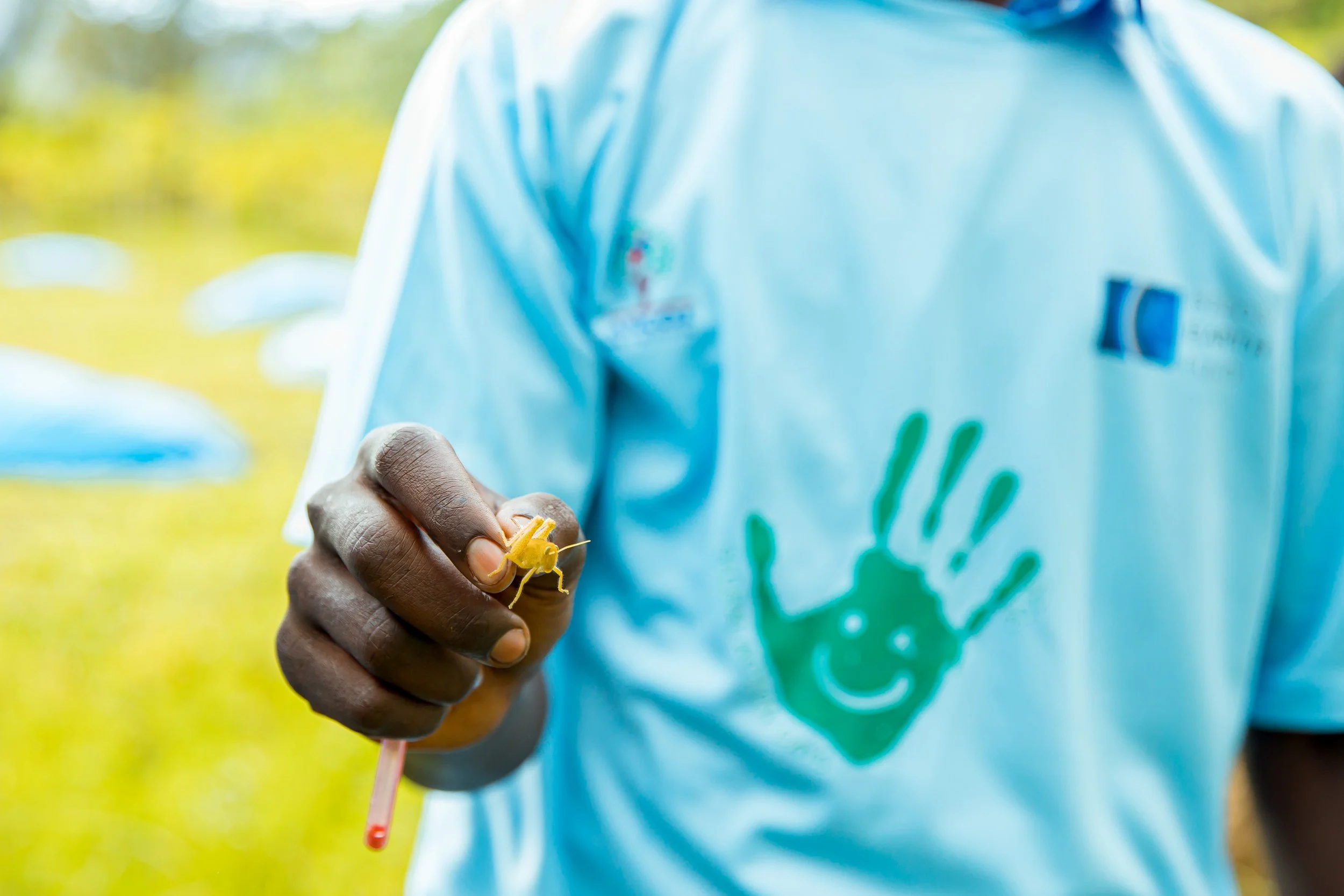
Through careful observation, they identify how key parts of local ecosystems work together and consider a question or topic to explore. This step builds essential observation skills and supports learners to move into deeper inquiry and investigation about the natural world.
Explore
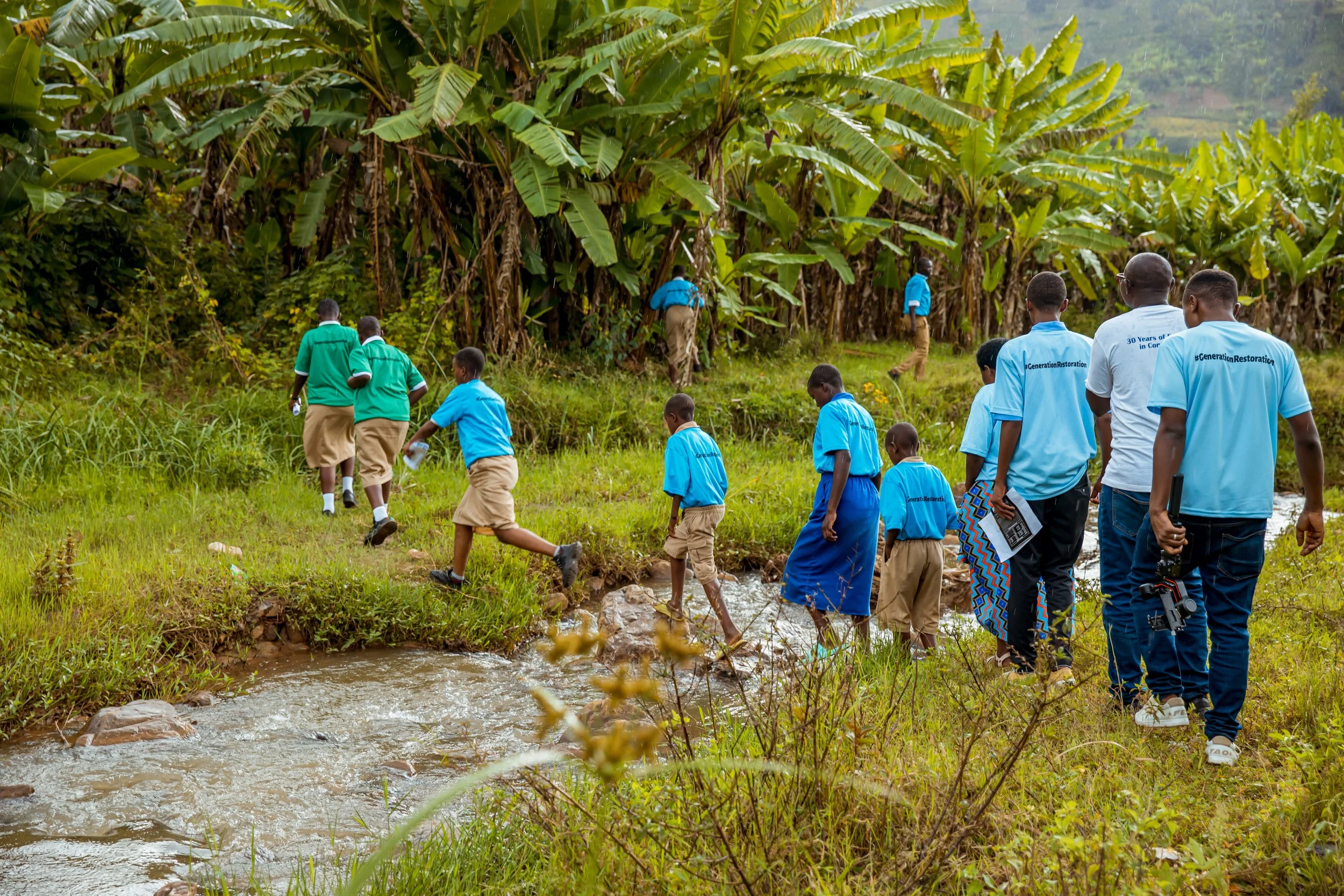
Learners explore their local nature settings by participating in hands-on, place-based activities, with an emphasis on investigating a chosen LEAF topic or theme more deeply, and one which sparks curiosity.
As an active and experiential process, learners will begin to investigate and research questions posed during this critical exploration stage, synthesise new knowledge and develop skills which cultivate critical thinking, build resilience and nurture creativity. All whilst strengthening their sense of connection, curiosity, and confidence outdoors. This enhances subject knowledge, life skills, and nature connection.
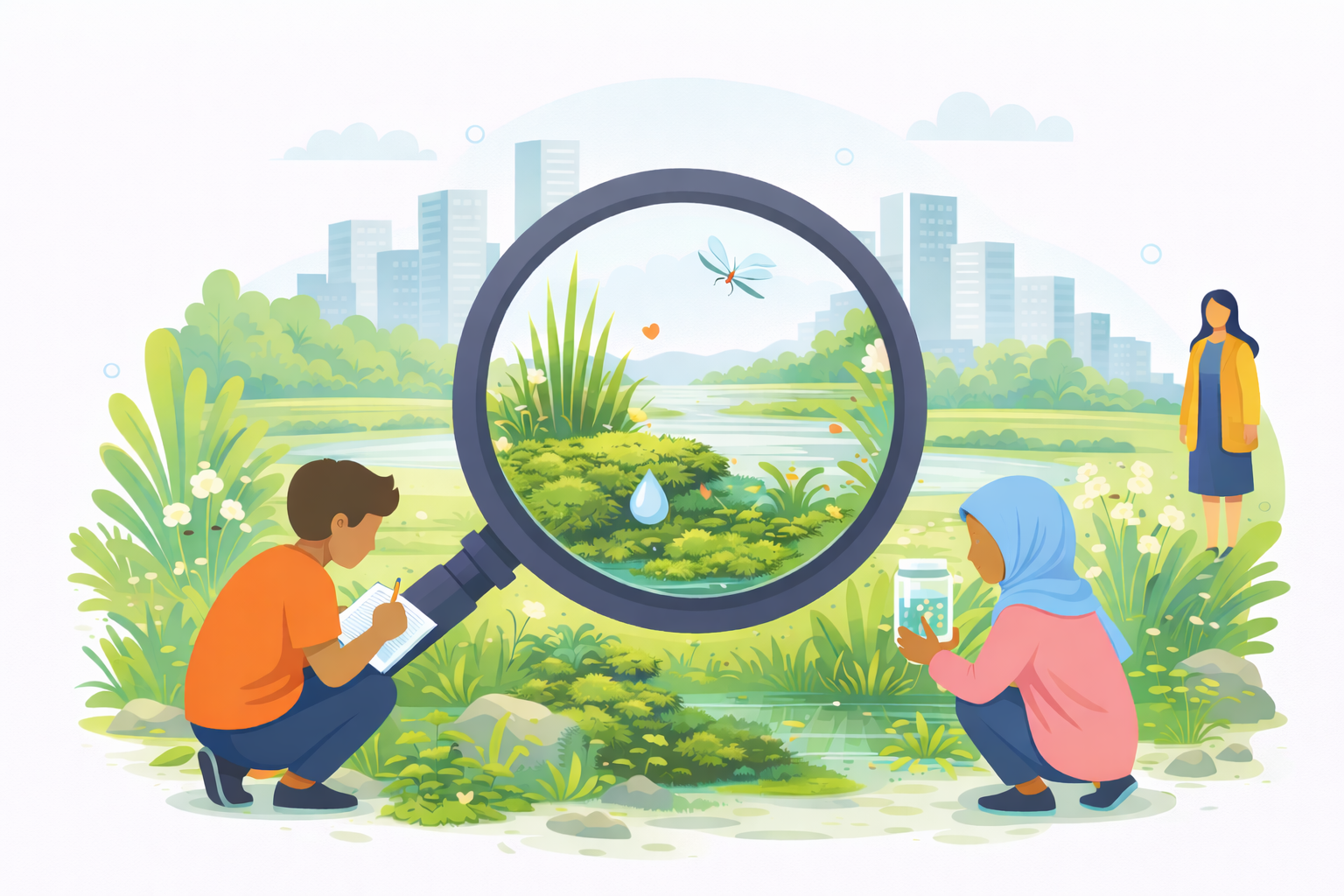
Learners analyse and reflect on their findings, linking new information to existing knowledge about ecological interdependence, ecosystem health, biodiversity and key environmental principles. Through guidance, learners are encouraged to consider the interdependence of living things.
Learners also reflect on how the experience shapes what they notice, value, and feel responsible for in their environment. This includes monitoring then evaluating environmental, social and economic patterns, creating an understanding that can lead to meaningful action and sustained behaviour change.
Analyse
Function and Flourish
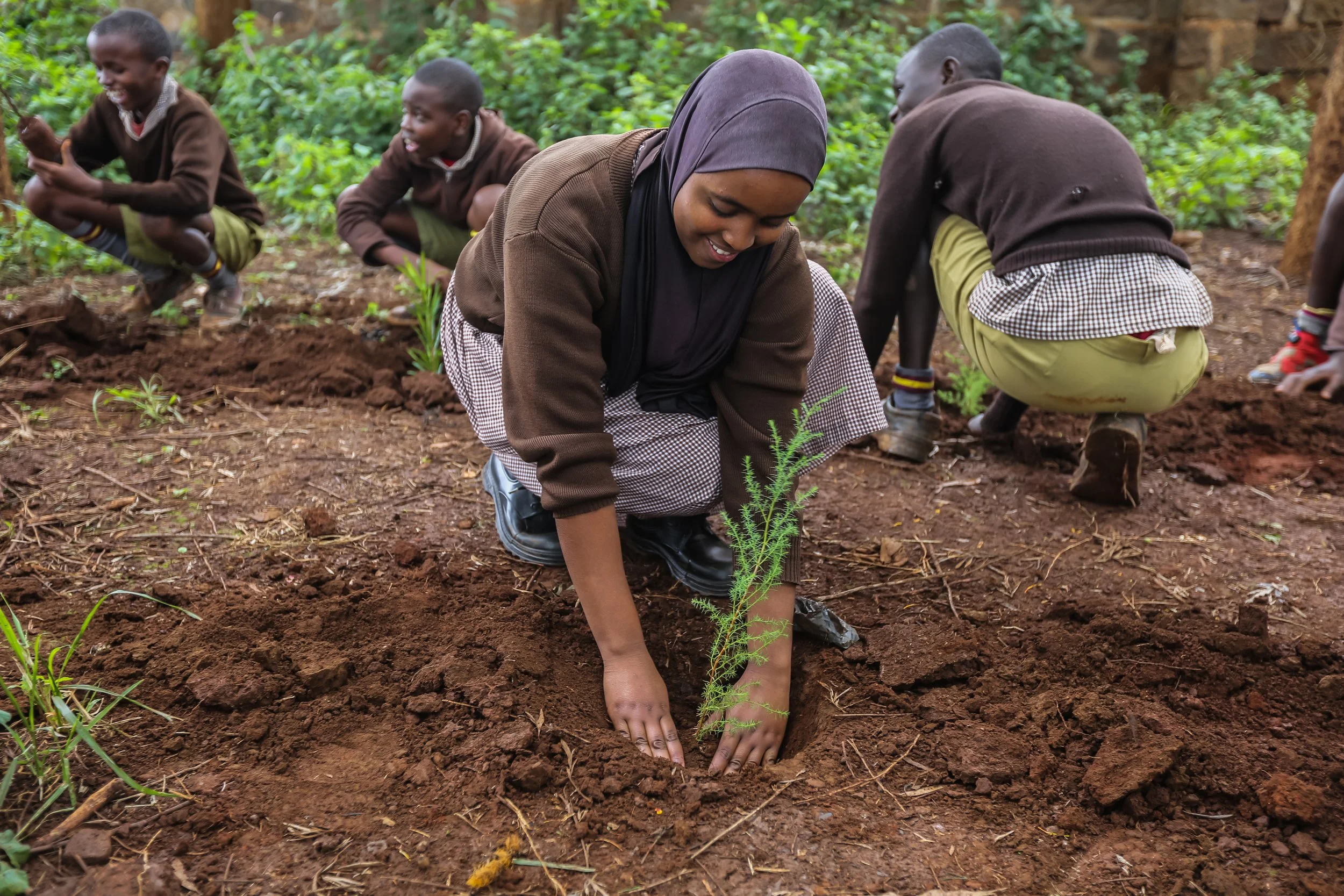
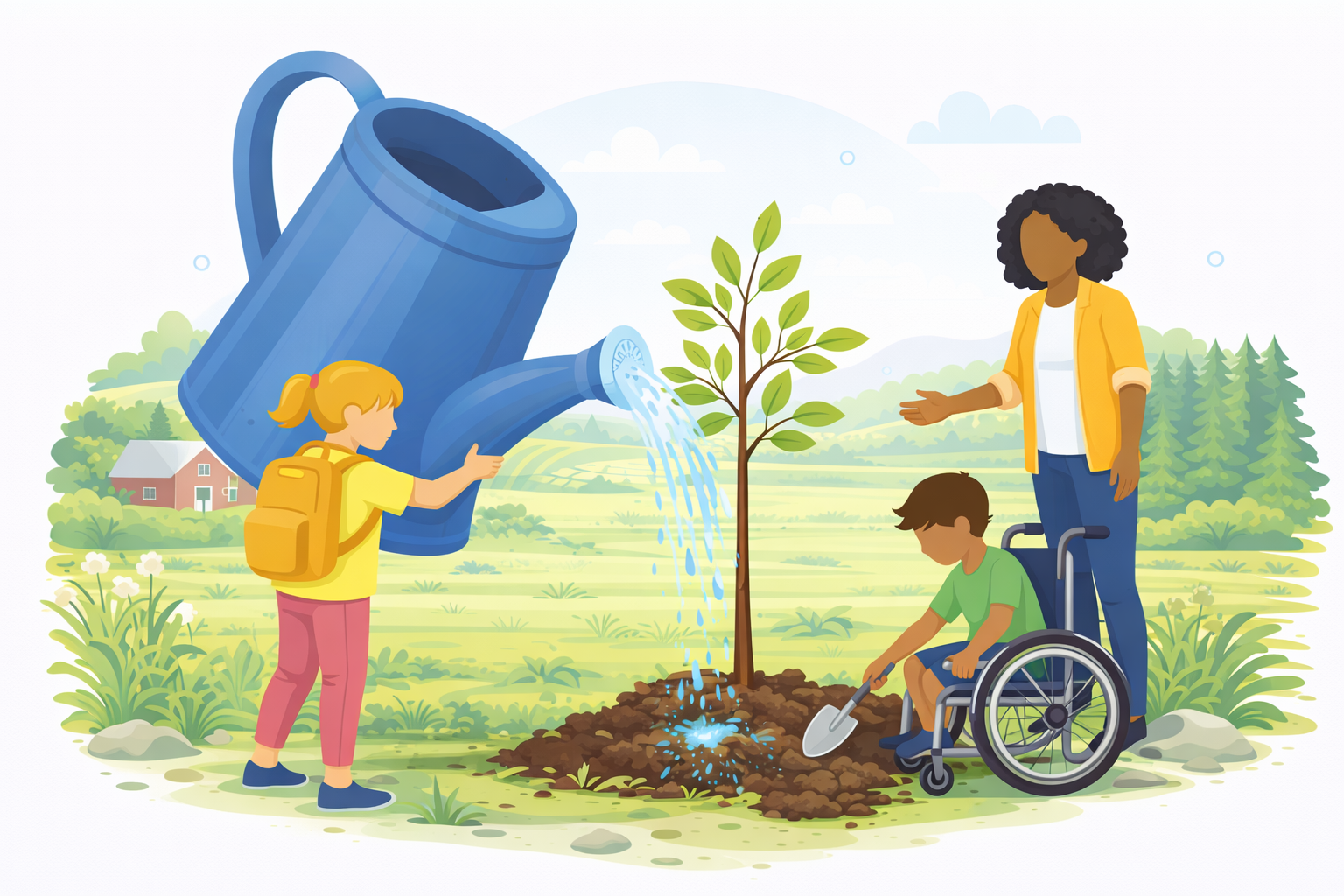
Learners continue to use their knowledge in action through the principles of function and flourish. By understanding how ecosystems work, they learn how to support thriving, flourishing environments.
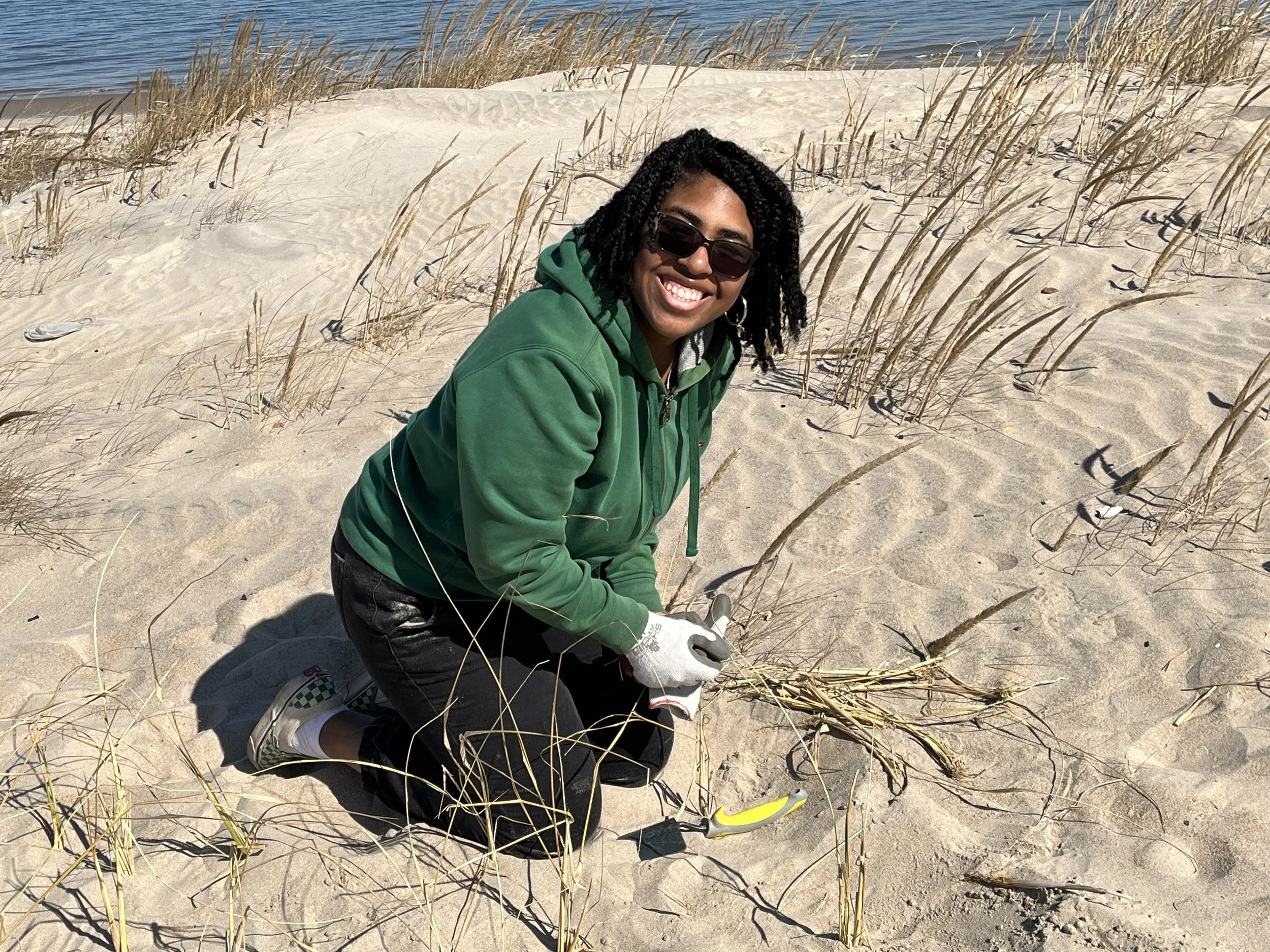
Function takes many forms including learning about ecosystem services, increased learning time outdoors or active engagement in conservation efforts. These actions can be small or large, from noticing and caring for an outdoor space to participating in restoration projects.
Flourish complements this approach, by instilling a sense of purpose and motivation to sustain activities which promote wellbeing for people and the planet. This promotes emotional literacy, and a long-term commitment to sustainability.
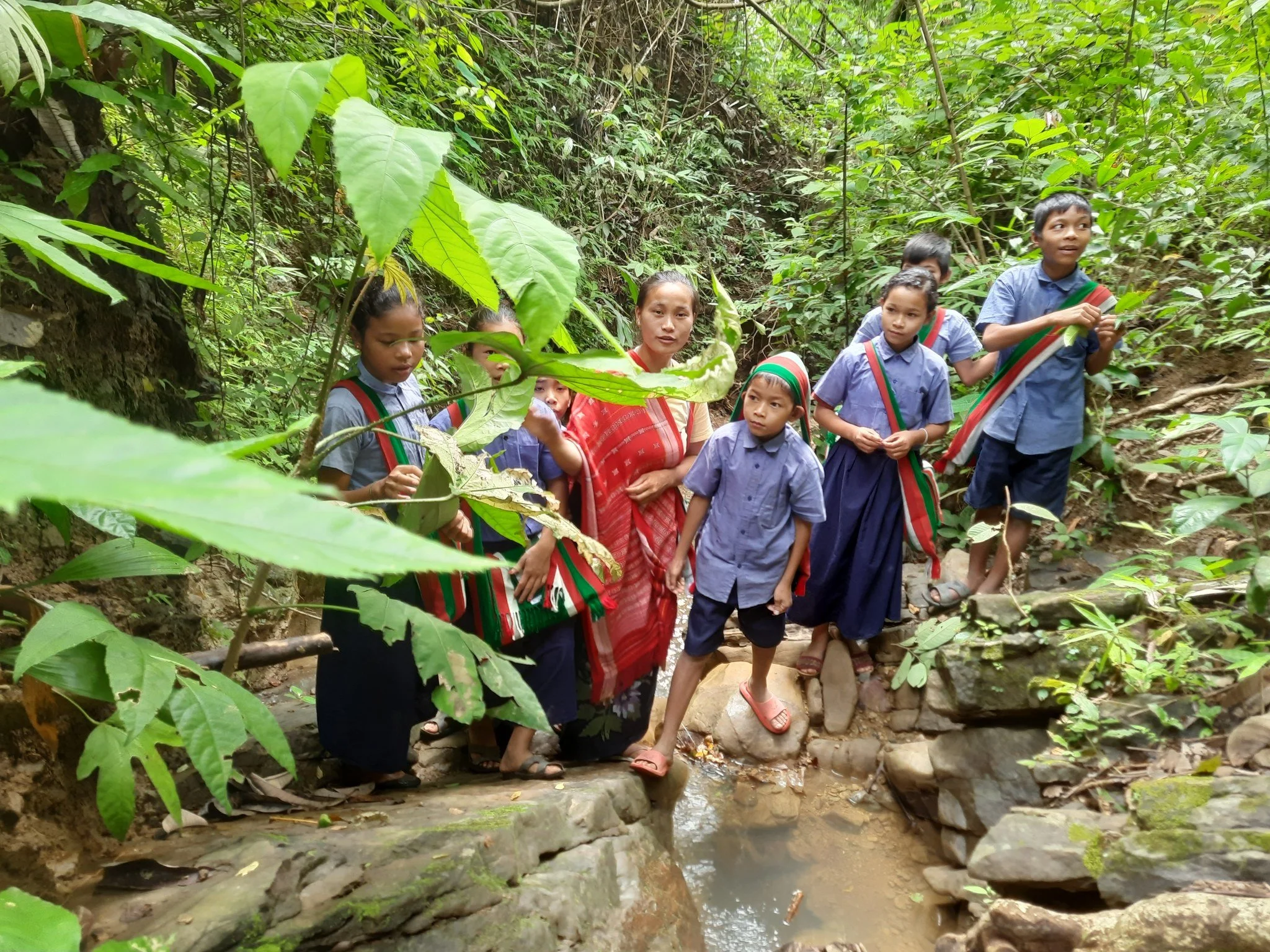
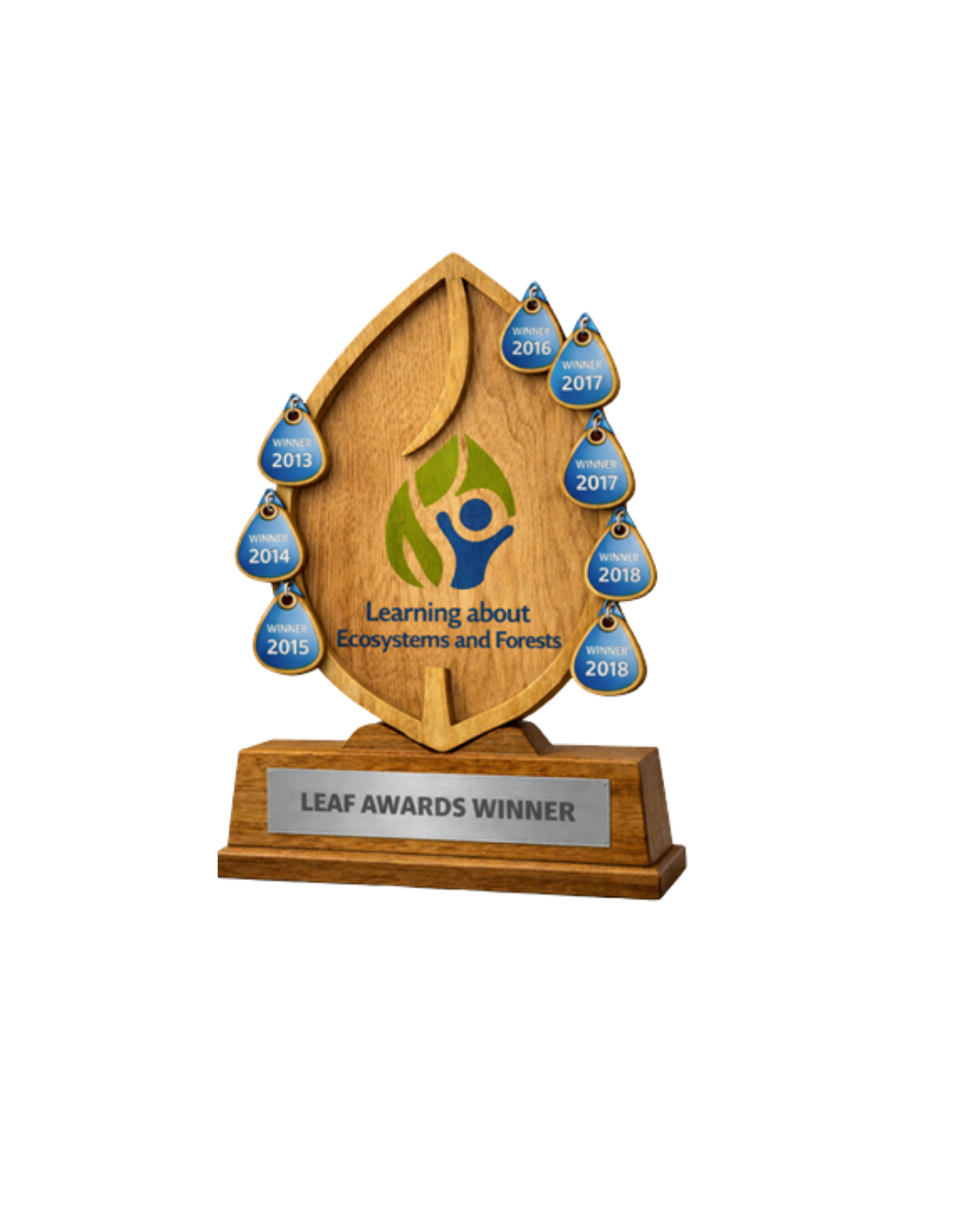
The LEAF Award recognises settings that use the LEAF Methodology to strengthen nature connection , deepen understanding of ecosystems, and inspire action that protects, improves, and, where possible, restores local environments.
Once a setting has worked through all four steps: Look and Observe, Explore, Analyse and, Function and Flourish, educators can apply for the annual LEAF Award. To be considered, settings need to meet a few key criterion. This includes having a dedicated LEAF Lead and Group that manage the programme and select one or more LEAF themes to work on throughout the year.
The LEAF Award celebrates how these experiences build a stronger connection with nature and support healthier local ecosystems. These actions can take many forms, from caring for local green spaces to, improving habitats or contributing to wider community efforts.
National Operators support and assess this process, ensuring that each setting’s journey reflects both the LEAF methodology and its local context. For further information, please contact your relevant National Operator for advice.
LEAF Award
Before you get started
To engage with the LEAF programme, an interested setting first needs to register with a LEAF National Operator, or with FEE International in the case of countries without a National Operator.
Next, the interested settings should nominate a LEAF Lead and form a LEAF Group to guide and support all steps of the programme. This could include a school club, a scout organisation, or another informal group supported by educators, staff, families or community volunteers. The LEAF Group’s main role is to explore environmental challenges or questions linked to the LEAF themes, while encouraging outdoor learning and activities whenever possible.