
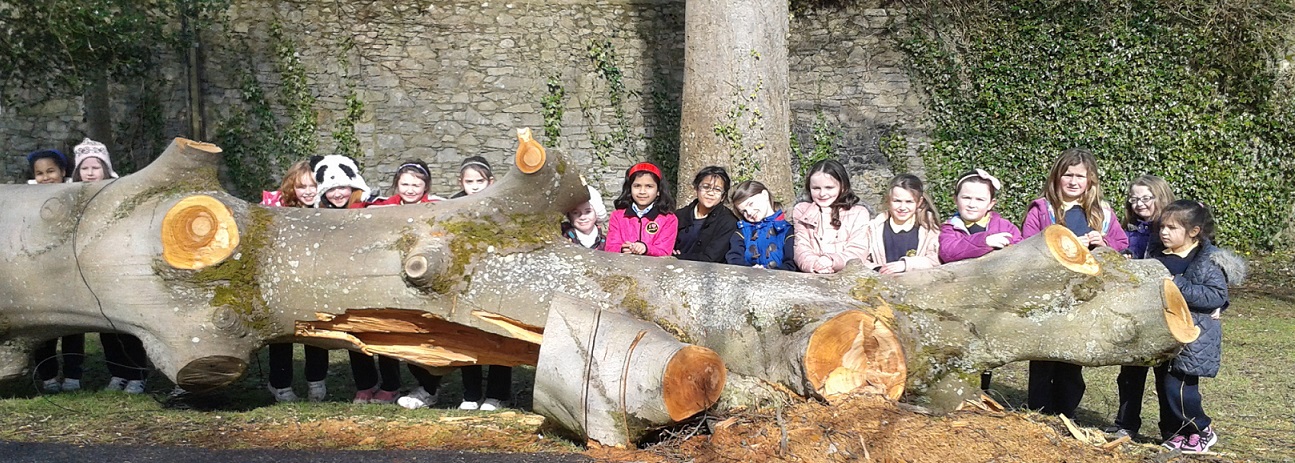
From Learning to Action: Mauritius Students Protect Coastal Ecosystems
#GenerationRestoration Schools in Action: Mauritius
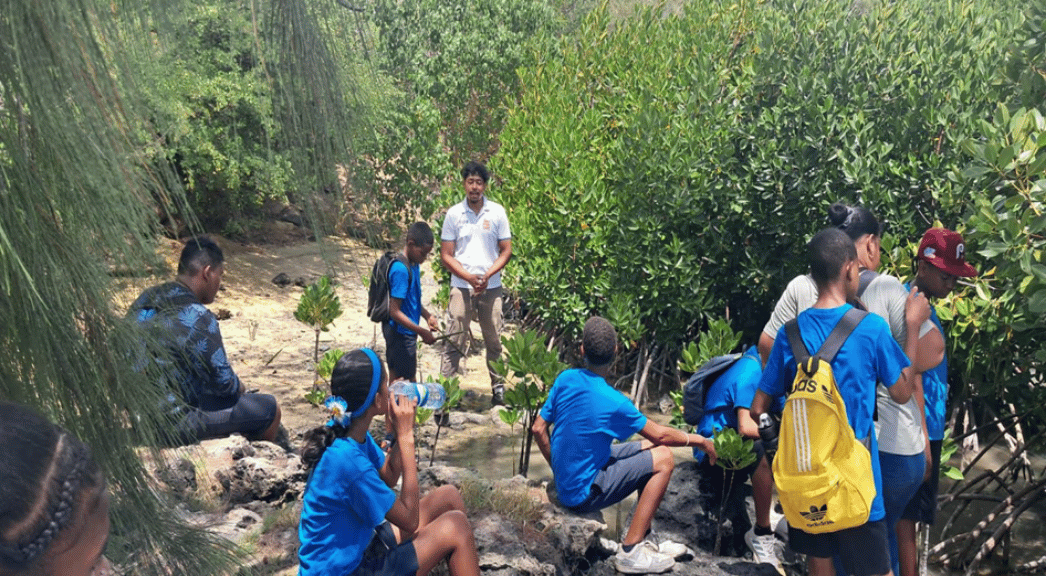
Learners from Loreto College Curepipe, Mauritius
Learners from Loreto College Curepipe, Mauritius, supported by specialists from the Reef Conservation visited Anse la Raie Public Beach and, through the methodologies of LEAF and YRE, explored coastal ecosystems, documented environmental challenges, and raised awareness about ecosystem protection, local wildlife, and ocean health.
The learners began by watching the RESTORE Big Ocean States documentary, featuring Vanuatu, Comoros, and Saint Lucia, with particular attention to Mohéli National Park in Comoros. The documentary explores how communities can work with nature to protect and restore coastal ecosystems, while encouraging the sustainable use of marine resources and supporting a thriving Blue Economy.
Inspired by the documentary, the learners used sensory exploration to observe the plants, animals, water, and soil at Anse la Raie Public Beach, looking for signs of ecosystem health and degradation.
They identified plastic waste trapped in mangrove roots, documented its impact, and took part in a mangrove clean-up.
The learners then took the initiative to create awareness messages encouraging people in the area to protect turtles, nests, beach habitats, and other wildlife.
By exploring environmental challenges and highlighting positive solutions, their story can inspire both island and non-island schools to connect ecosystem restoration education to ocean and coastal ecosystem’s health.
Inspired by the activities at Loreto College Curepipe? Join #GenerationRestoration Schools, where education connects learning with action. Students can understand how ecosystems work, investigate the challenges they face, explore possible solutions, and take action to protect and restore nature.
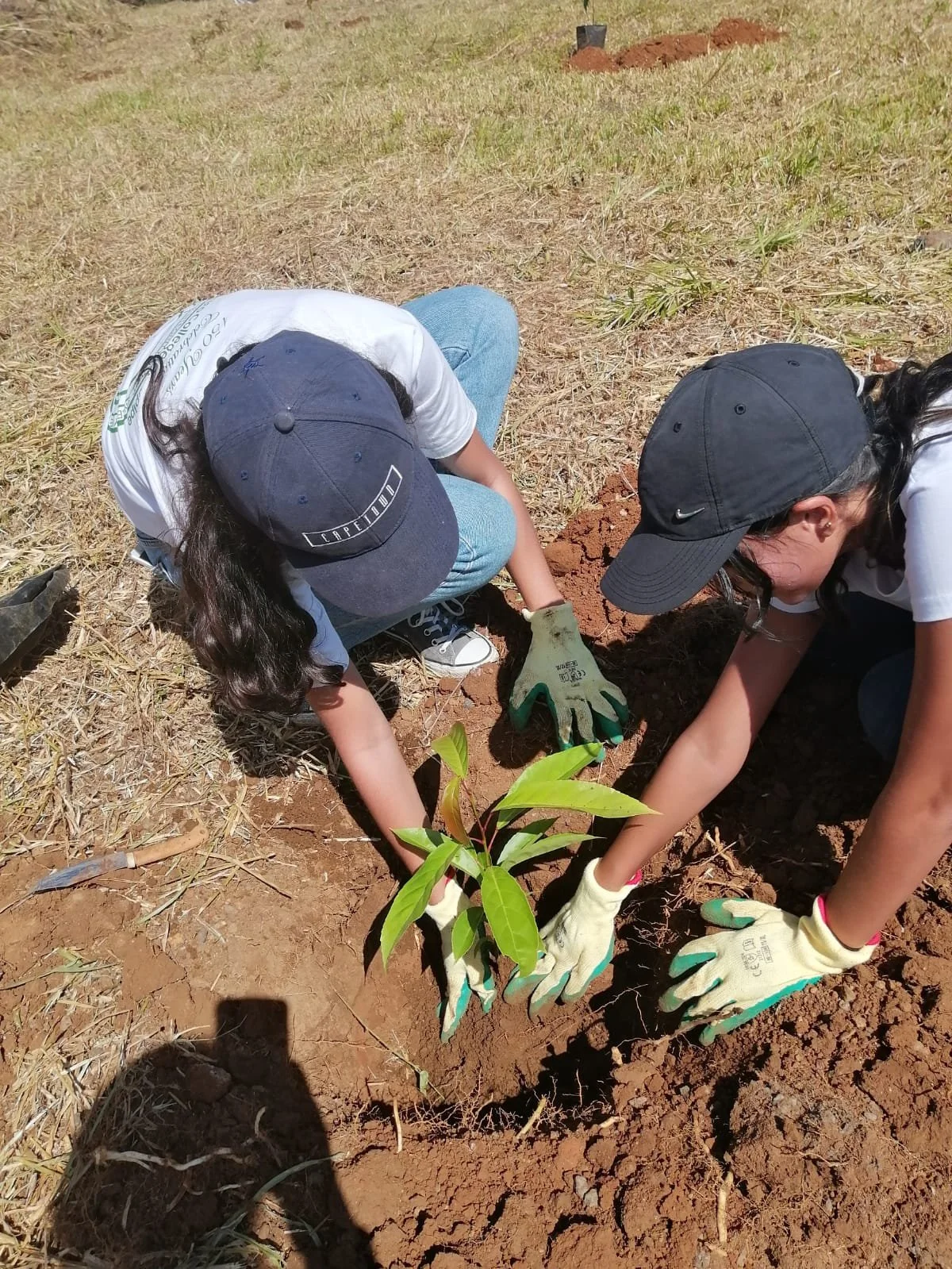
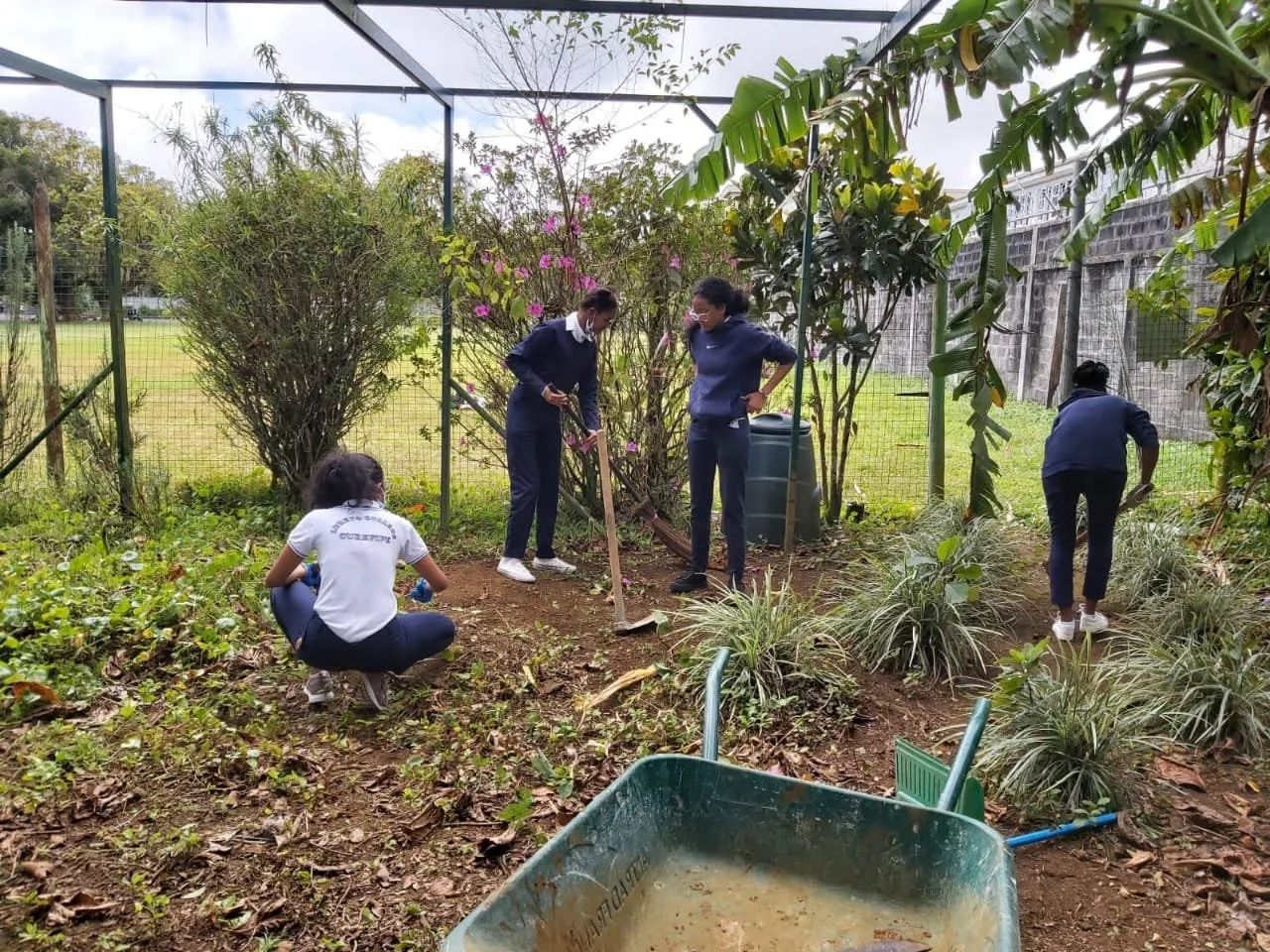
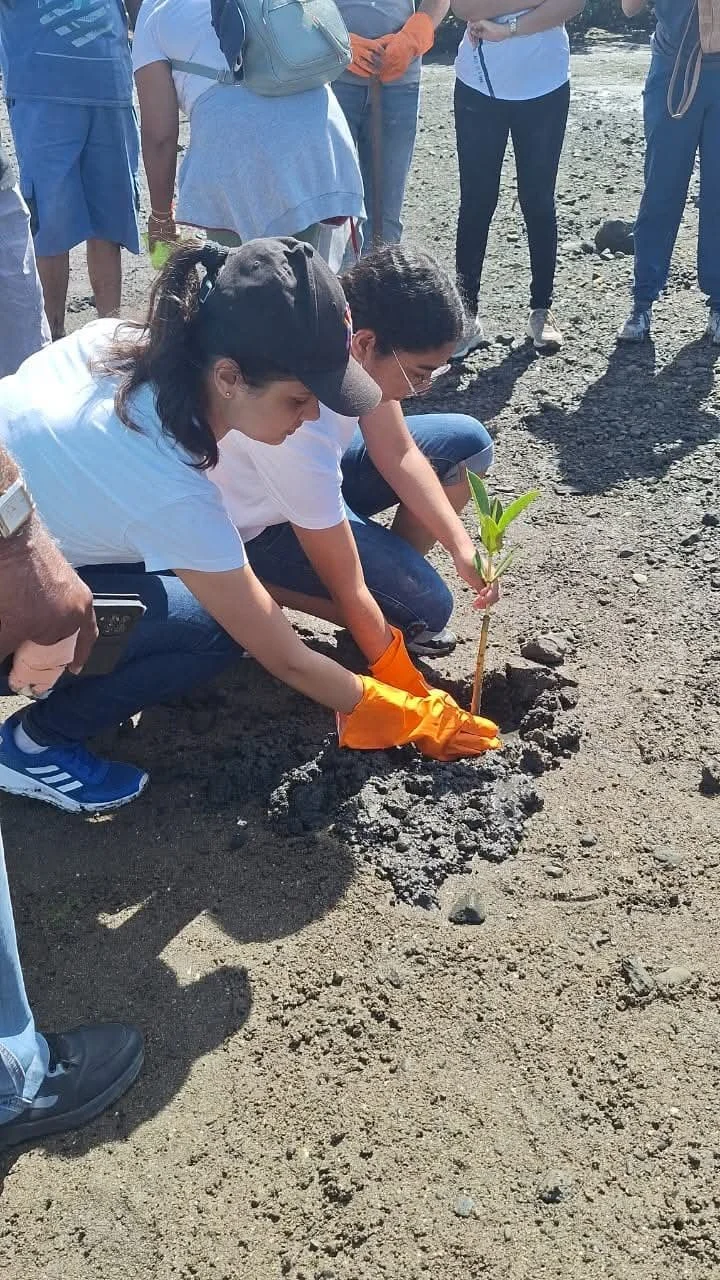
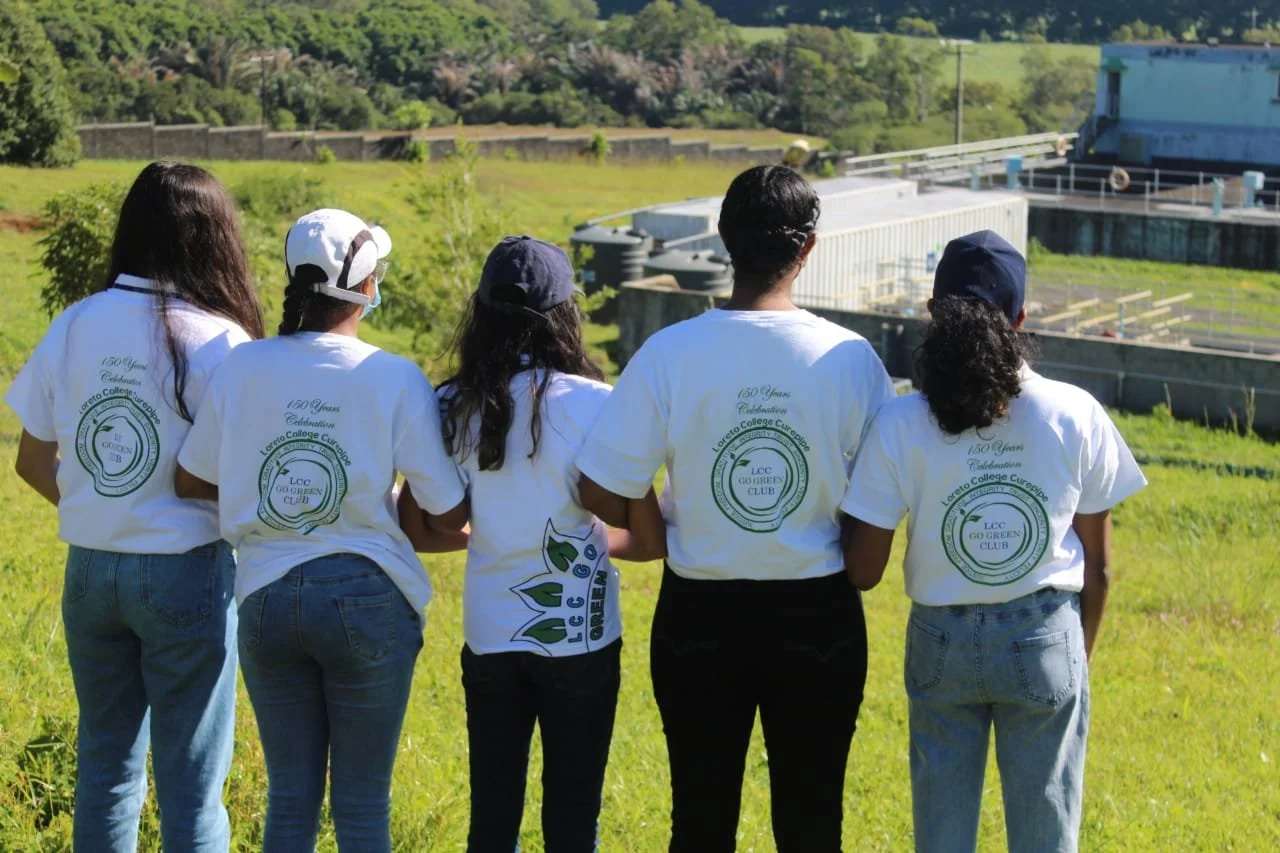
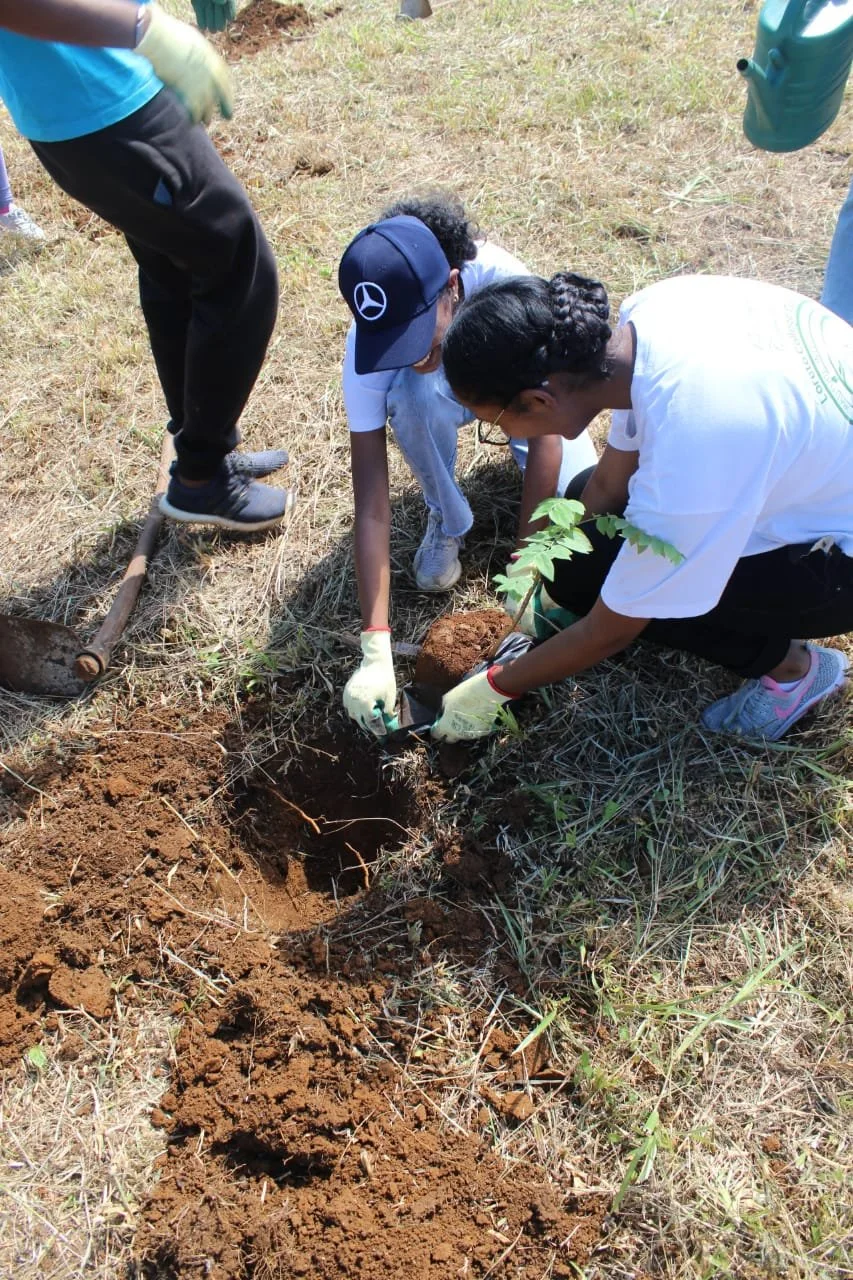
Small local actions towards ecological restoration through LEAF and RESTORE
#GenerationRestoration Schools in Action: Mexico
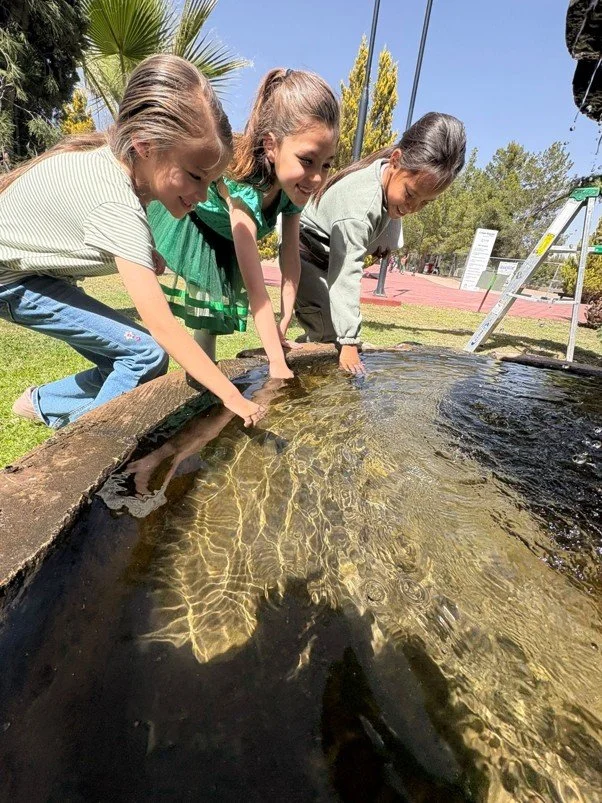
Students from Colegio Regional Bilingüe, in Chihuahua, Mexico
Colegio Regional Bilingüe, in Chihuahua, Mexico, is a great example of how learners' curiosity, motivation, and small actions can support ecological restoration in their local environment.
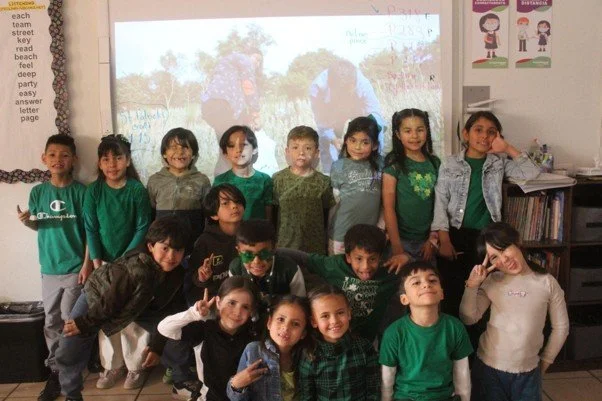
The school’s journey began by watching a RESTORE documentary focused on the Central American Dry Corridor, a region highly vulnerable to drought, unpredictable rainfall and other impacts of climate change. The film explores how farmers and communities are restoring degraded landscapes and strengthening their resilience through approaches that work with nature, including agroforestry and more sustainable land management.
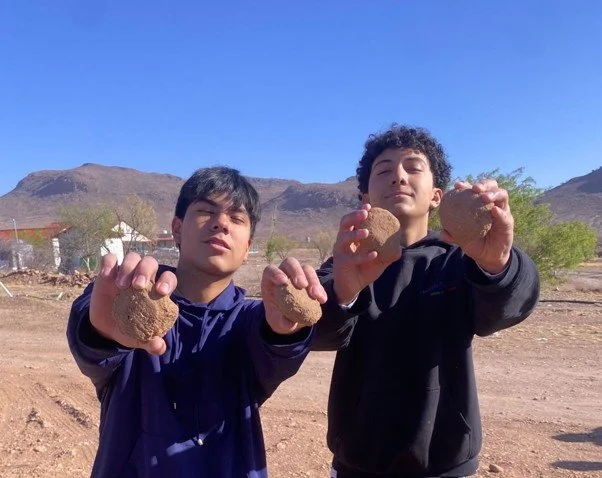
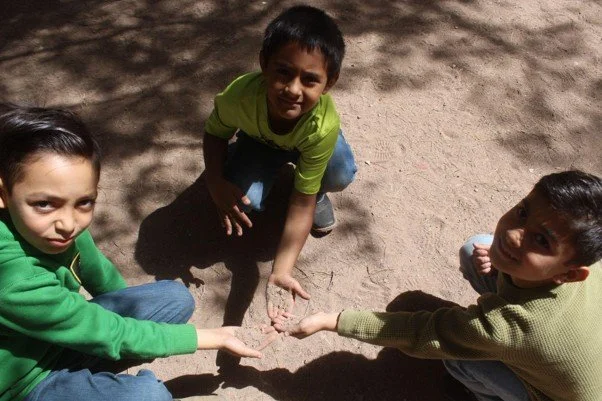
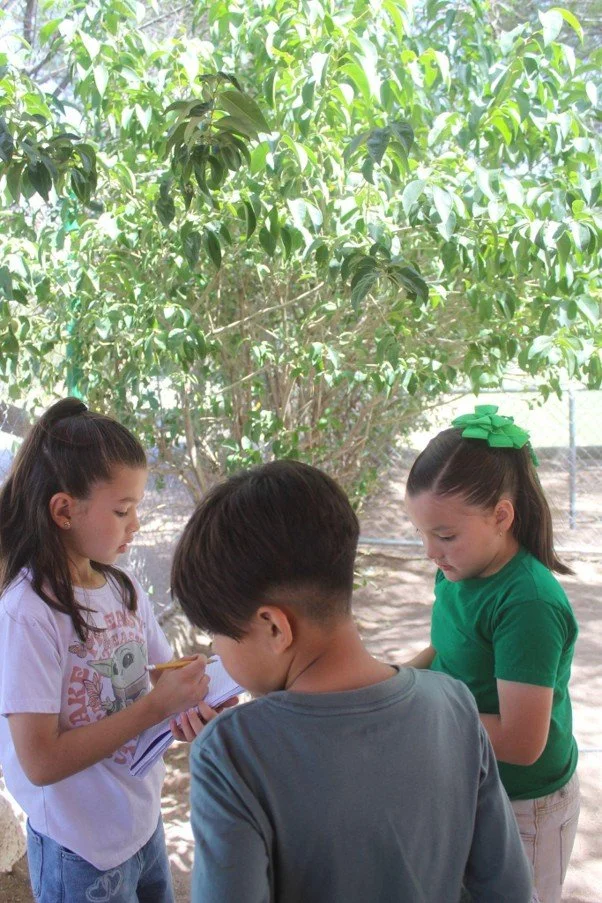
Inspired by the documentary and using LEAF’s (Learning About Ecosystems and Forests) methodology, which focuses on outdoor learning and ecosystem restoration, students went outside to observe and identify the key elements that make up their local environment. They explored ecosystem interdependence, learning about the important role each component plays in supporting a healthy ecosystem.
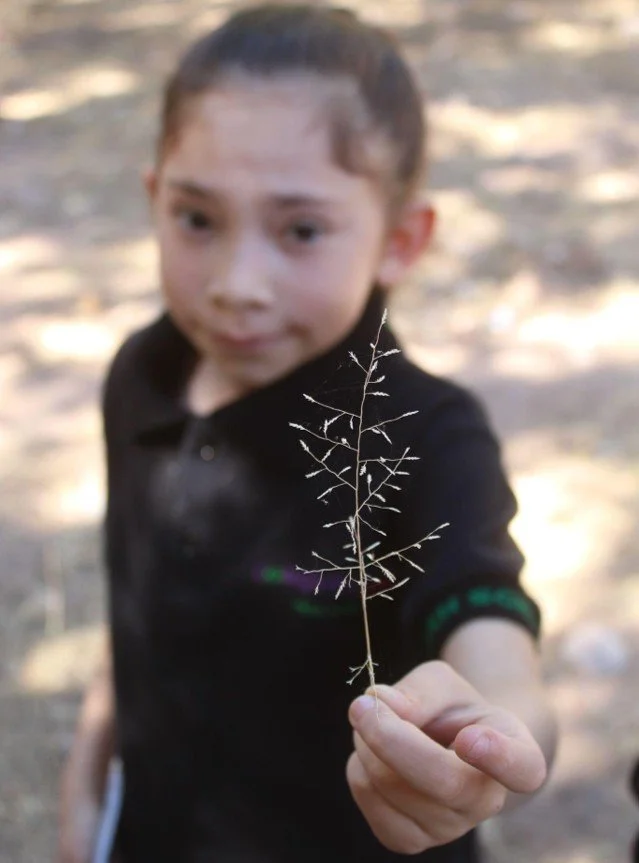
Learners also took action, creating seed bombs with native grass species and natural materials to support grassland restoration. Grasslands are an essential part of the landscapes and ecological balance in Chihuahua. For this activity, learners selected the blue grama grass, which adapts well to drought and extreme temperatures and helps stabilise soil while providing nutrition and habitat for wildlife.
With LEAF’s guidance and inspiration from the RESTORE documentary, learners deepened their understanding and care for the environment and showed that even small, locally relevant actions can contribute to ecological restoration.
“Through grassland restoration, ecosystem resilience is promoted, biodiversity is conserved, and an environmental culture committed to caring for the local territory is strengthened."
Inspired by Colegio Regional Bilingüe? Join the global #GenerationRestoration Schoolscampaign and connect your learners with ecosystem restoration through meaningful, locally relevant action. Whether you’re restoring grasslands, exploring your local ecosystems, or taking small steps to support biodiversity, your school can be part of the global movement to restore nature.
Sign4Earth: Expanding Access to Ecosystem Restoration Education in Armenia
What does Ecosystem Restoration Education (ERE) look like when every learner can participate?
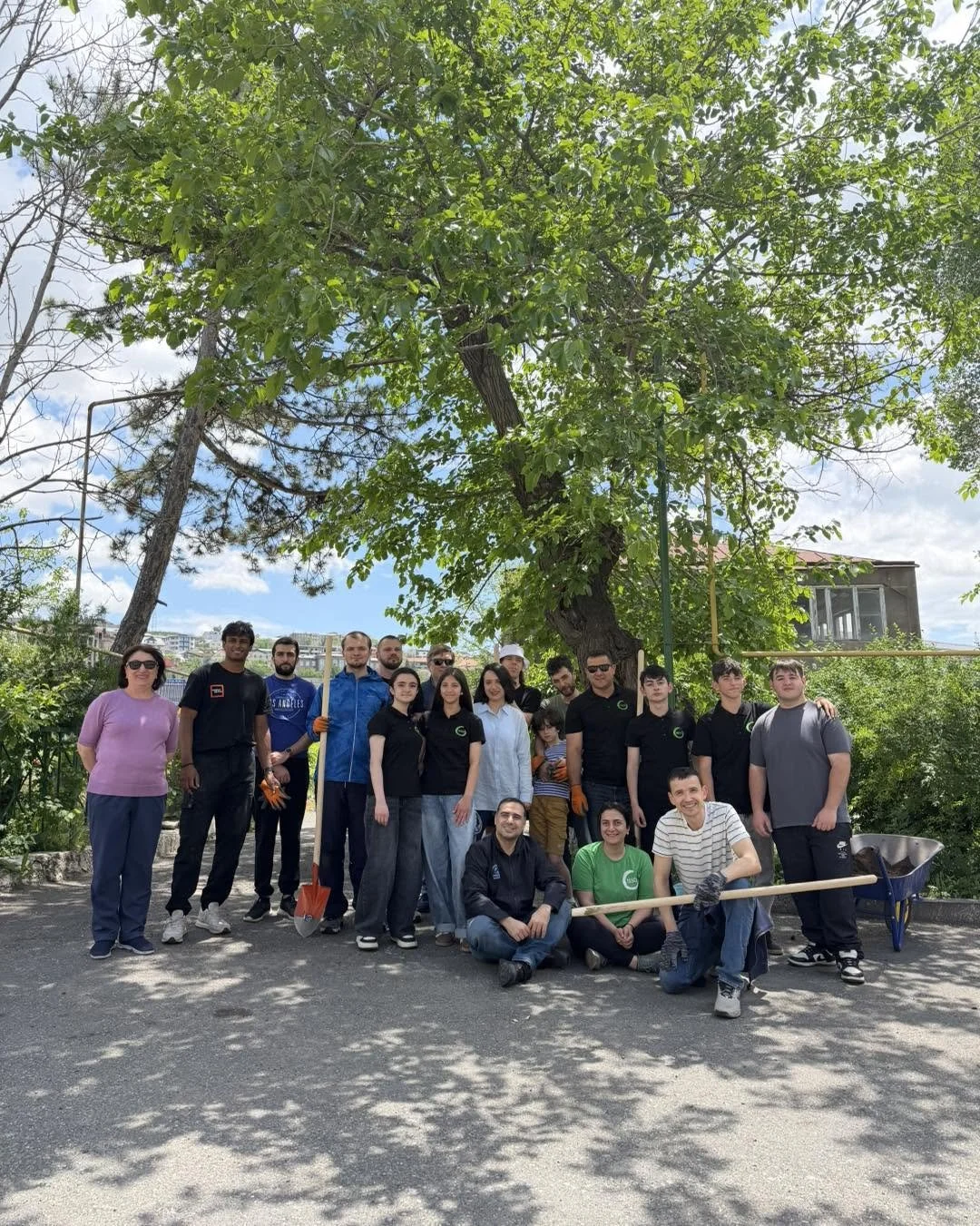
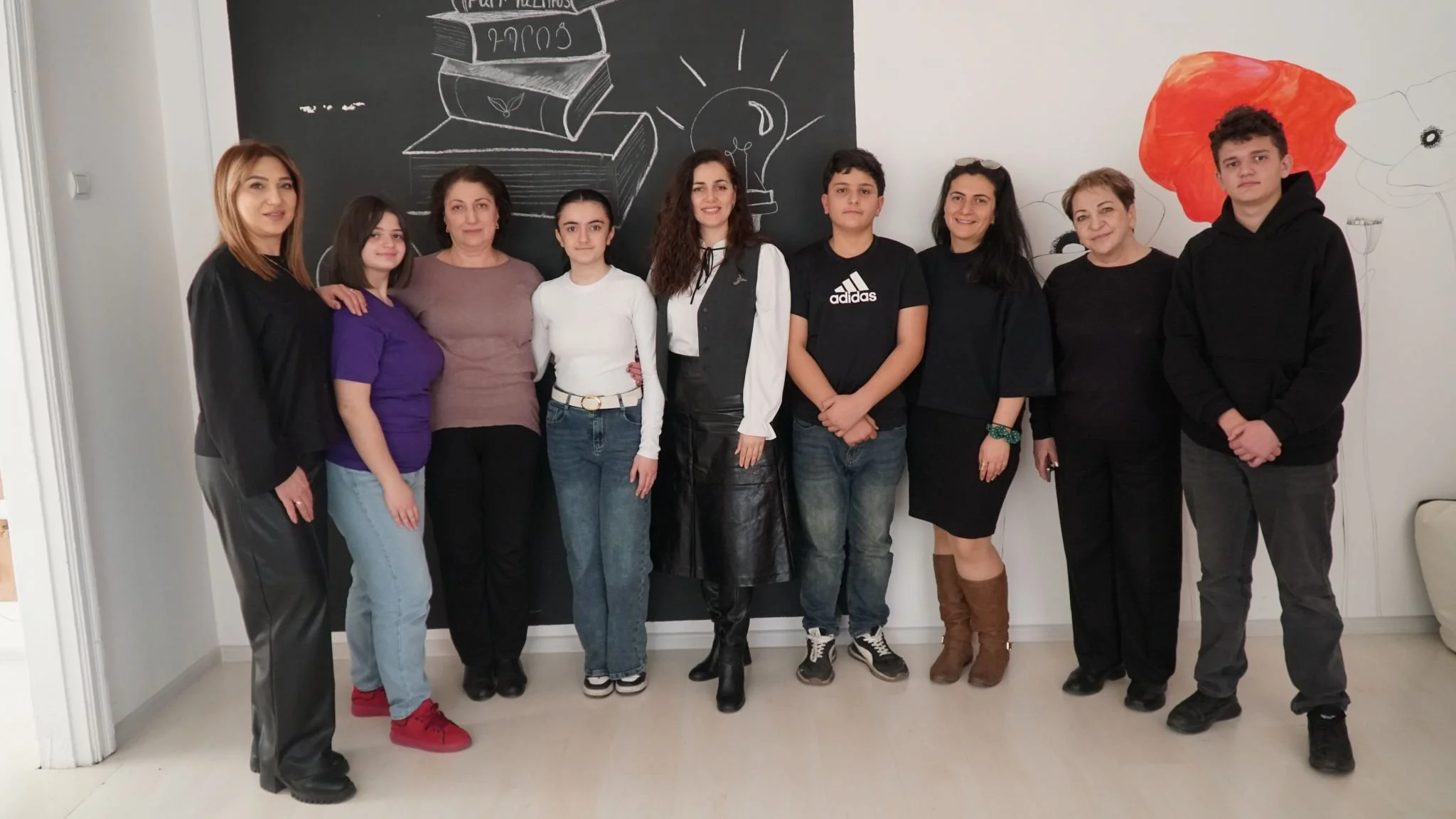
Students and educators from the Yerevan Special Educational Complex for Children with Hearing Disorders.
At LEAF (Learning about Ecosystems and Forests), we believe reconnecting people with nature starts by ensuring everyone has the opportunity to learn from and care for their local ecosystems. Inclusive education is therefore a key part of our work under the UN Decade on Ecosystem Restoration.
In Armenia, the Sign4Earth project is helping make Ecosystem Restoration Education (ERE)more accessible for young people with hearing disabilities.
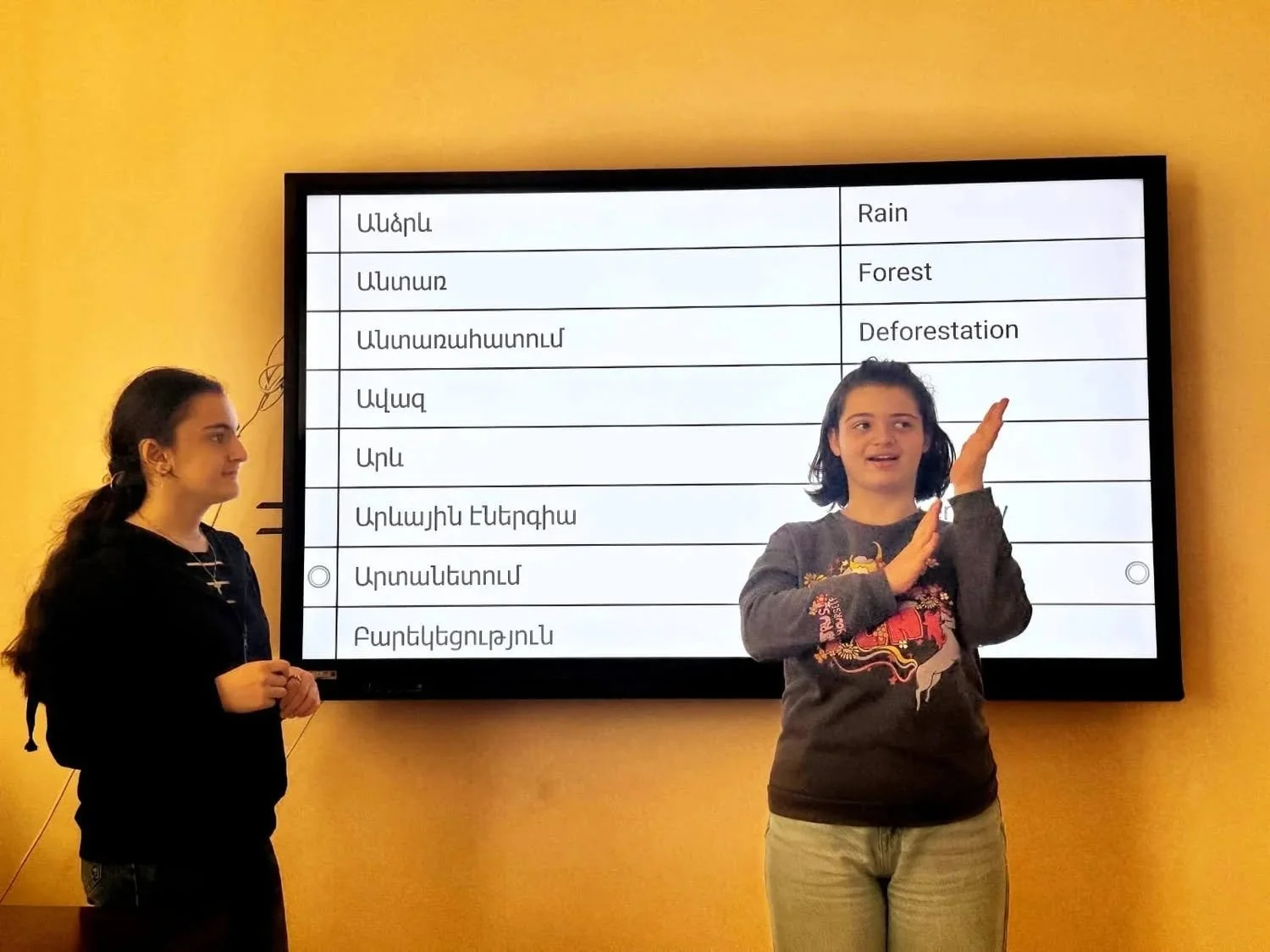
Led by ISSD in collaboration with students and educators from the Yerevan Special Educational Complex for Children with Hearing Disorders, the project is developing the first Armenian Environmental Sign Language Dictionary. Through LEAF's Ecosystem Restoration Education Localisation Programme, 150 new environmental signs have been developed as part of a wider dictionary that will ultimately include more than 500 environmental signs.
The LEAF-supported signs cover plants, flowers, and key concepts such as biodiversity, ecosystems, and ecosystem restoration, helping learners engage with nature-based learning and better understand the world around them.
Sign4Earth shows that inclusion is about more than access to education—it is about empowering everyone to contribute to ecosystem restoration. By removing communication barriers, more young people can participate in restoring nature and shaping a sustainable future.
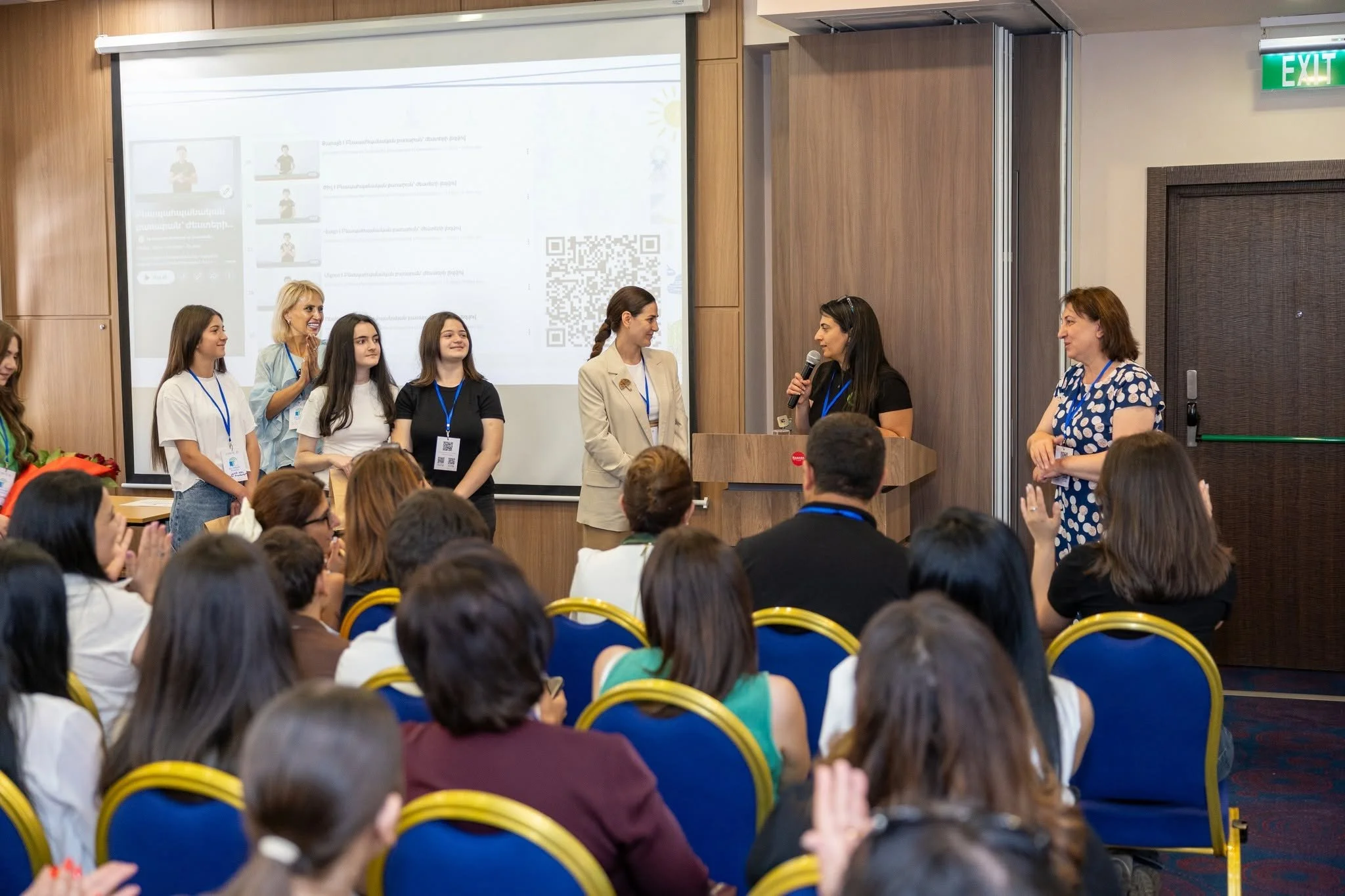
The environmental sign language videos are continuously being expanded and are publicly available through ISSD's YouTube playlist, providing an open educational resource for educators, learners, and the wider community.
Inspired by Sign4Earth? Join the global #GenerationRestoration Schools campaign and connect your learners with ecosystem restoration through meaningful, nature-based action. Whether you're restoring habitats, creating inclusive learning experiences, or empowering young environmental leaders, your school can help build a healthier, more resilient future for people and nature.
#GenerationRestoration Schools in Action: United States
How Eco-Schools and LEAF Inspired a Restoration Journey
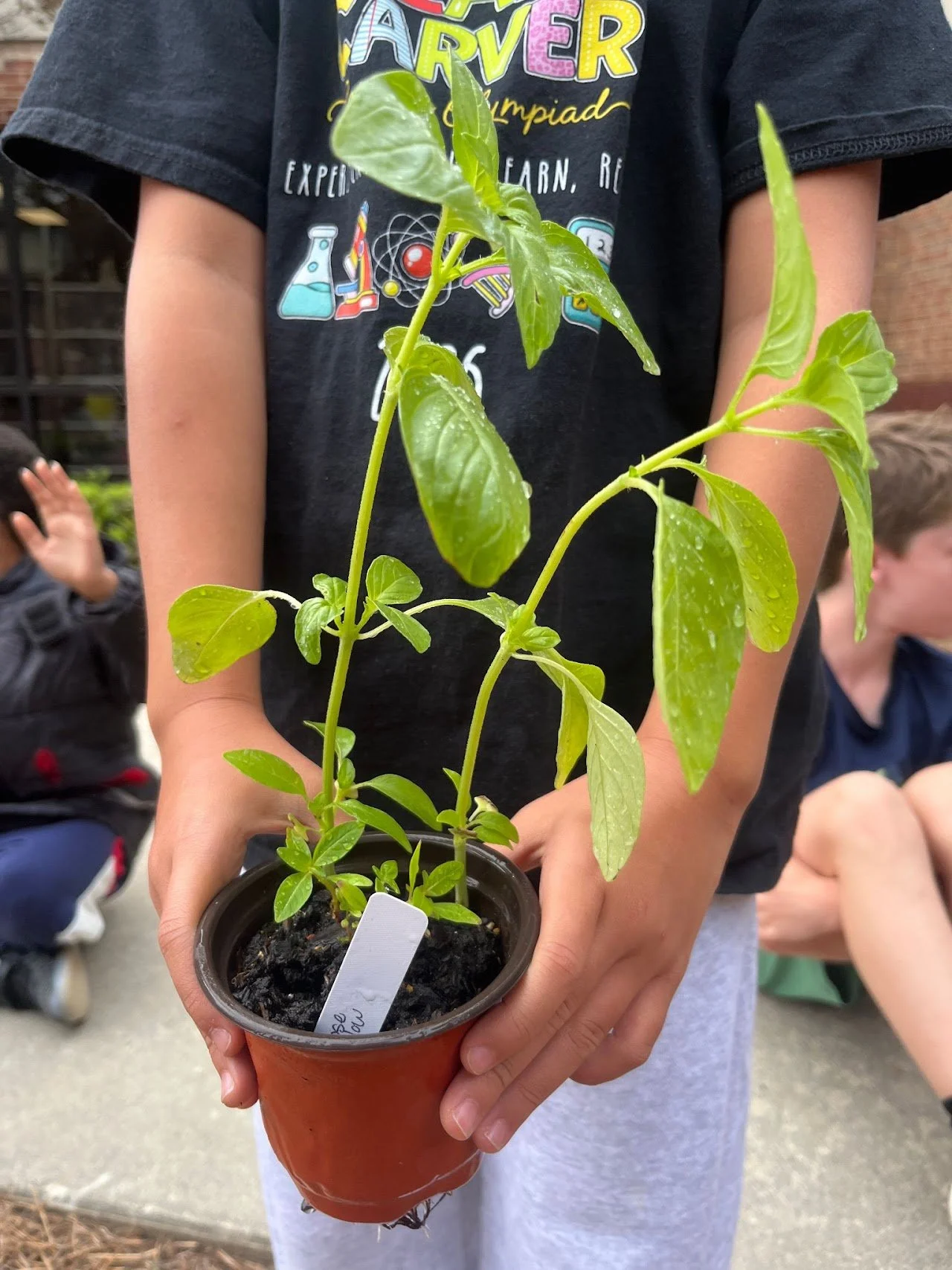
"If we want more species to live at Carver, we have to plant more native plants."
At Dr. G.W. Carver Upper Elementary School in Georgia, USA, a journey that began through the Eco-Schools and LEAF (Learning About Ecosystems and Forests) programmes has evolved into a powerful example of #GenerationRestoration Schools in action.
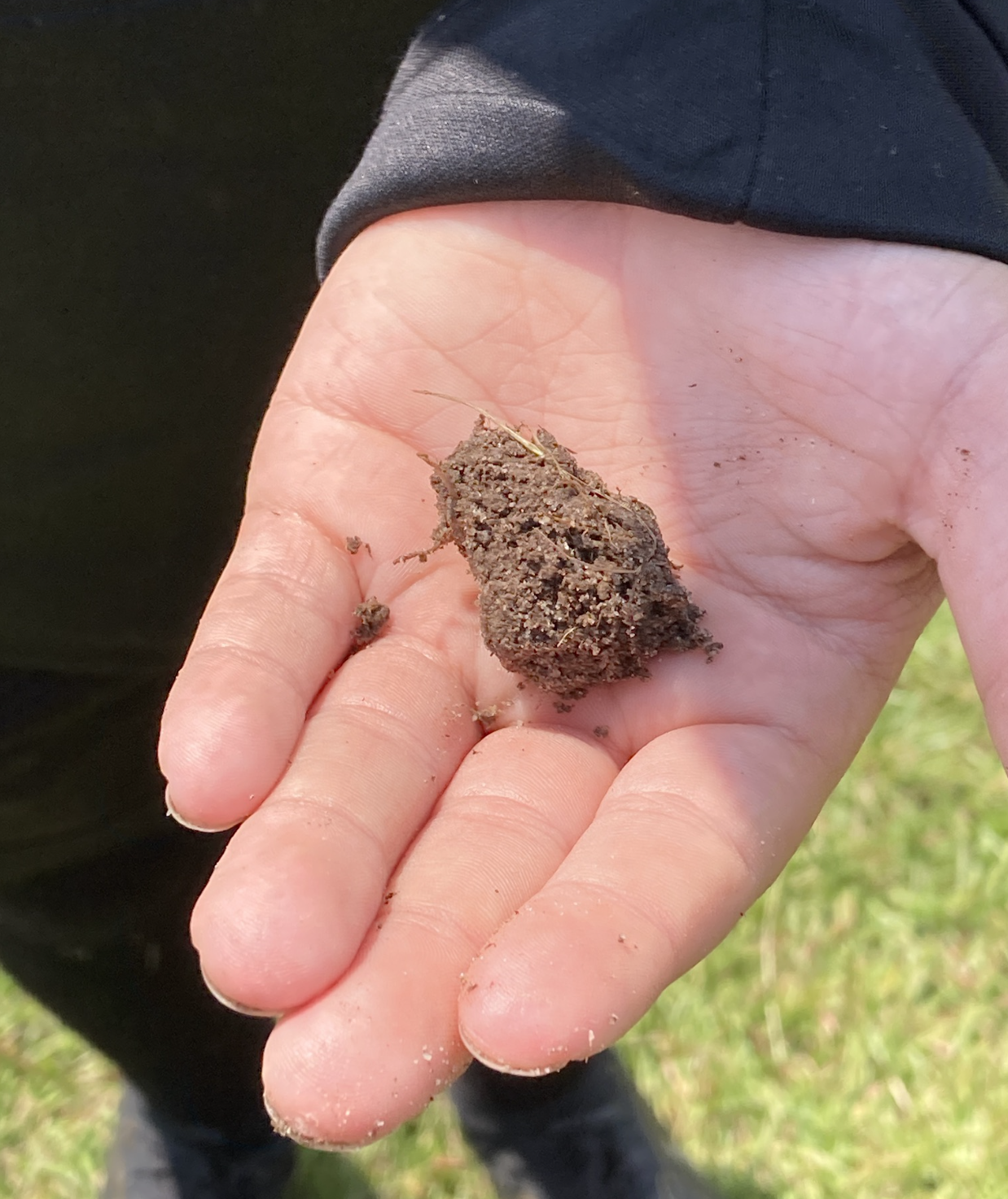
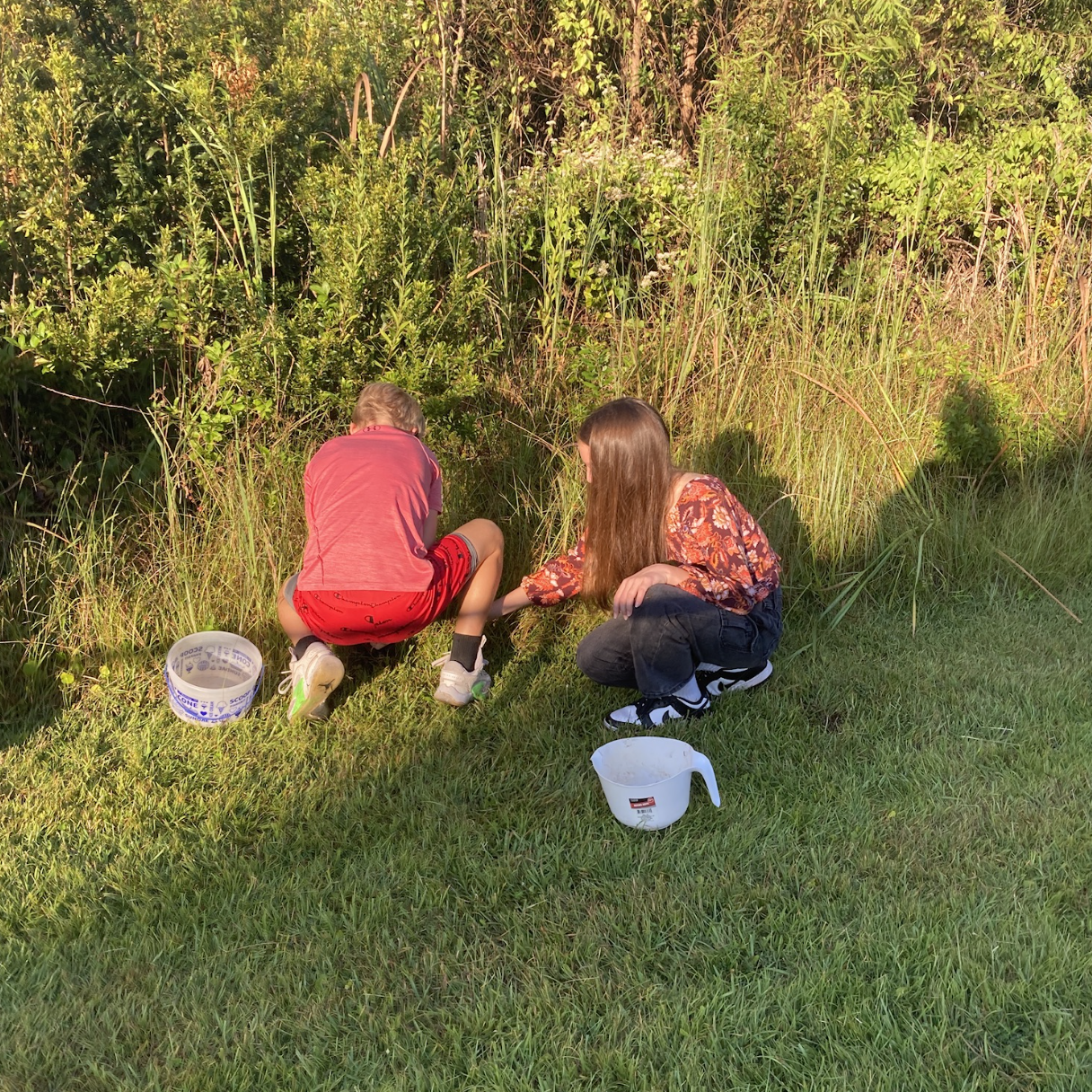
As part of their Eco-Schools Green Flag work, students began documenting biodiversity across their 50-acre campus. Equipped with field journals and iPads, they explored forests, wetlands within their school grounds, recording more than 200 species in a single year.
Their findings inspired the creation of the Seeds of Stewardship, a student-led restoration initiative built around two core goals: connecting children with nature and increasing biodiversity on campus.
Embedded into the regular school day, the initiative ensures that every student, regardless of background, can participate in authentic environmental science and stewardship. Through habitat restoration, native seed collection, invasive species removal, wildlife monitoring, and biodiversity surveys, more than 680 students are actively contributing to ecosystem restoration on their school grounds.
By restoring native habitats and creating space for more species to thrive, the students are bringing the goals of #GenerationRestoration Schools to life. It is also a powerful example of how FEE programmes can complement one another, inspiring schools to adopt outdoor, hands-on learning approaches that not only deepen students' connection with nature but also create tangible benefits for local ecosystems.
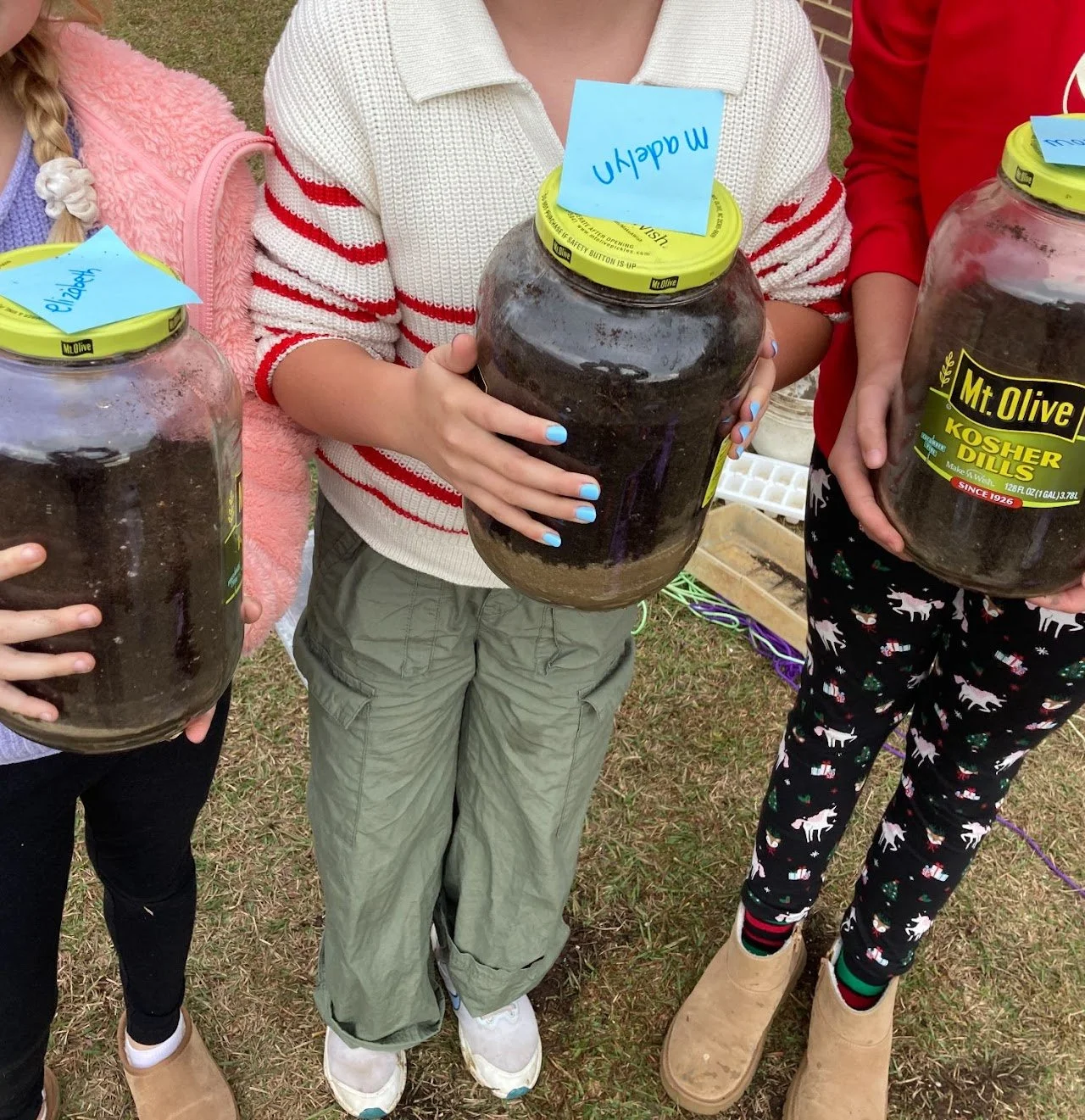
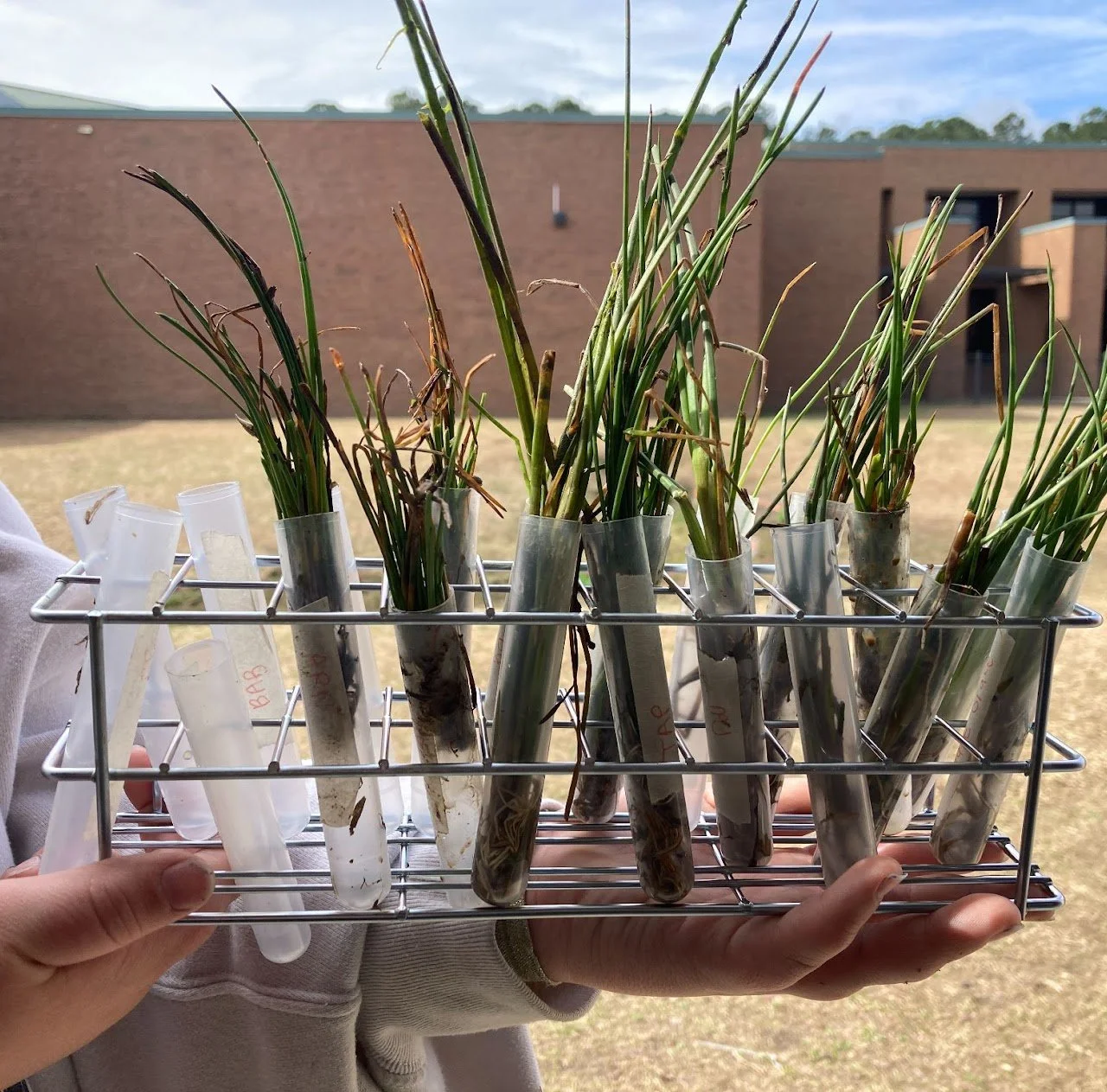
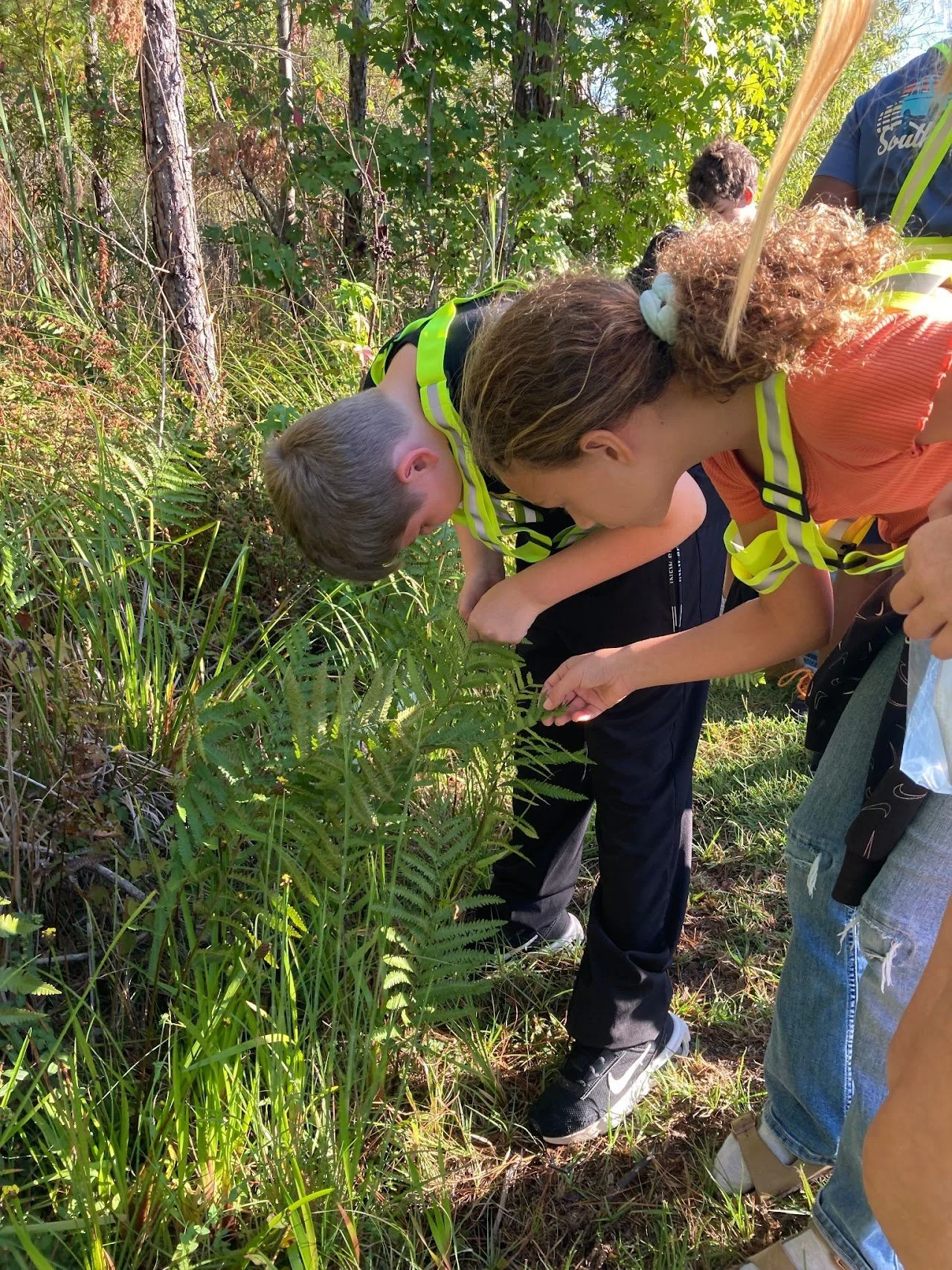
As part of the #GenerationRestoration Schools movement, this project highlights how schools can empower young people to move beyond learning about environmental challenges and become active participants in restoring nature.
Is your school helping restore ecosystems, strengthen biodiversity, or inspire environmental action?
Join a growing global community of schools taking meaningful action for healthier ecosystems, more resilient communities, and a sustainable future.
#GenerationRestoration Schools in Action: Greece
Mediterranean Diet for Health and Sustainability
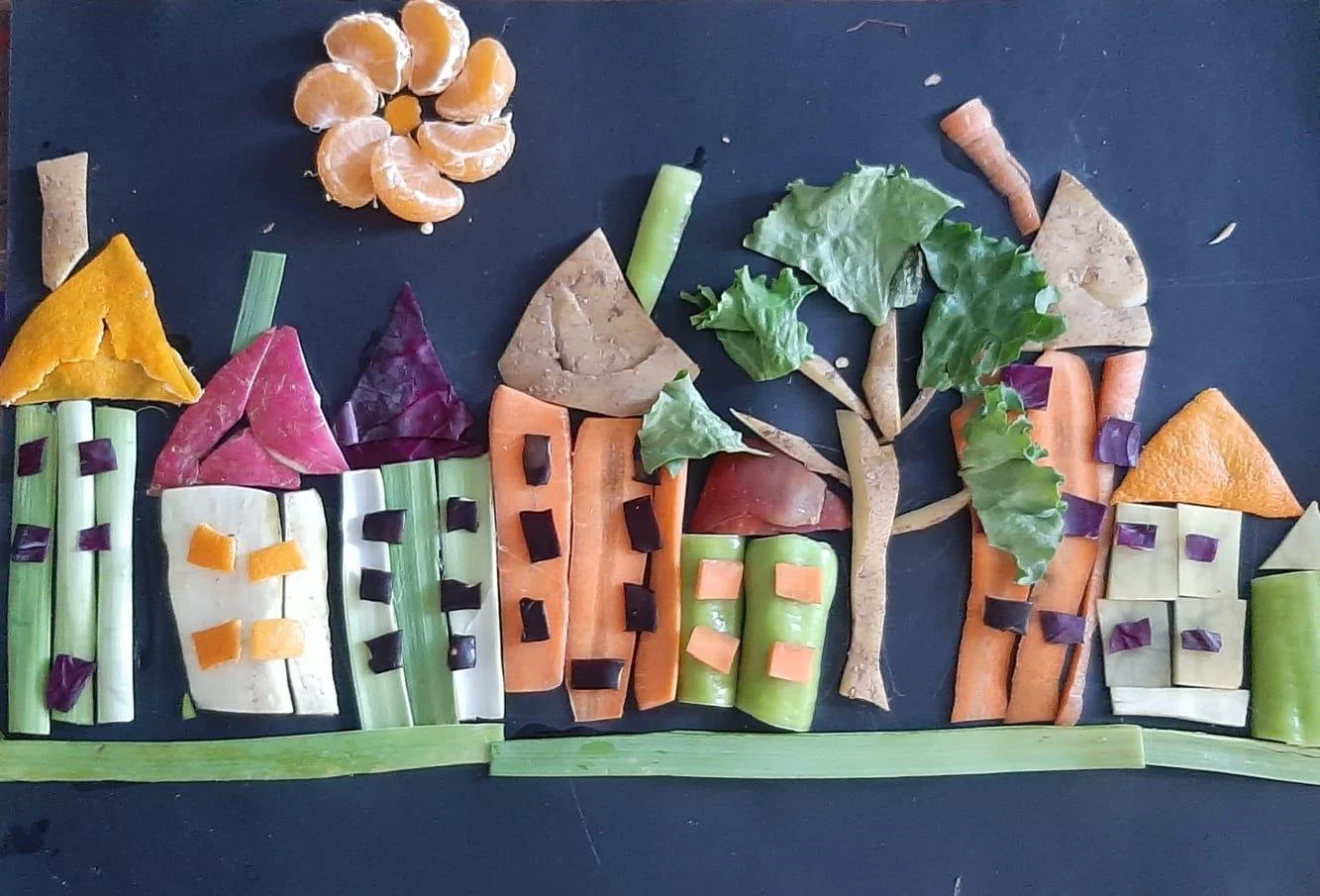
How can food choices support both people and the planet?
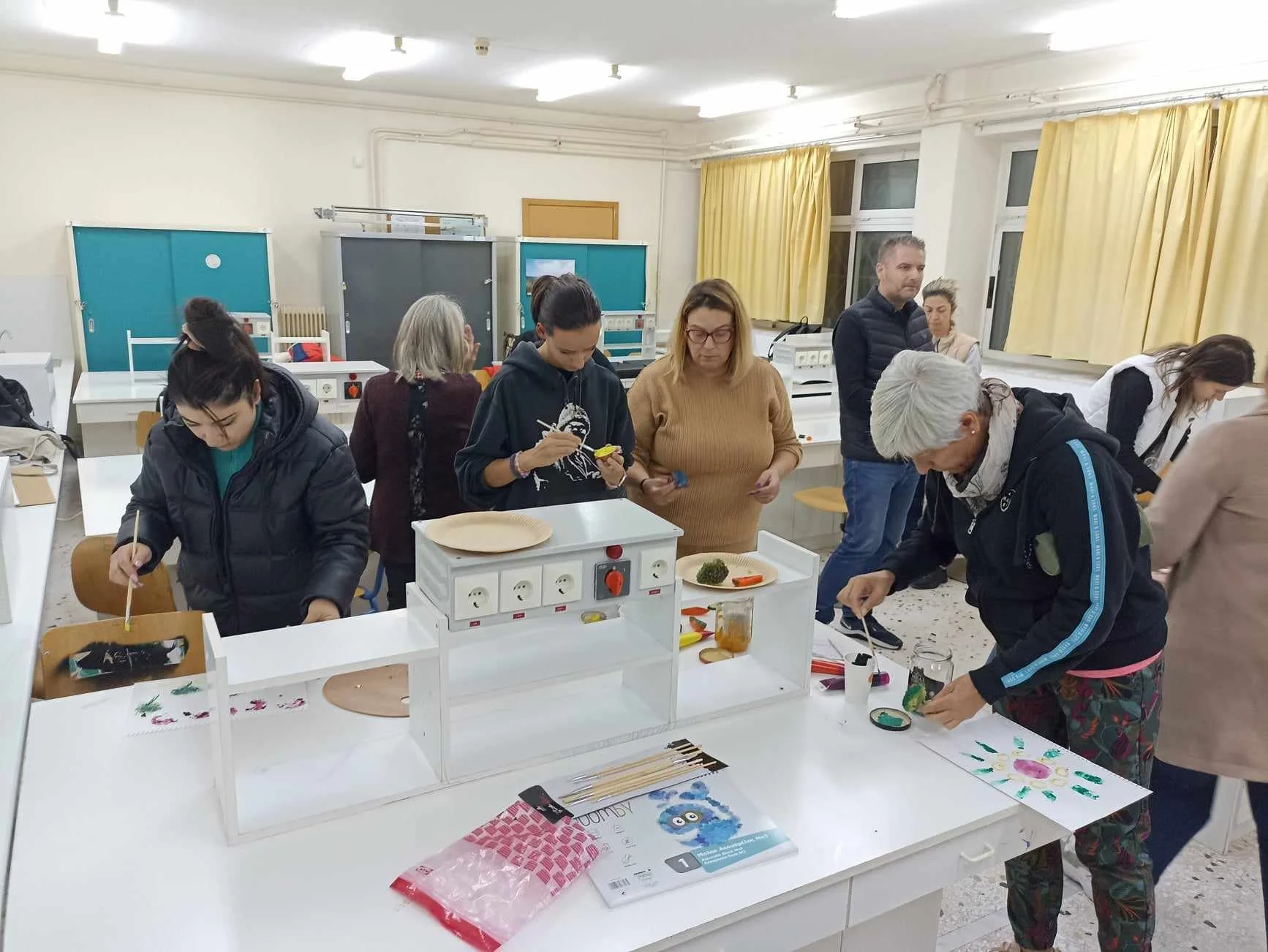
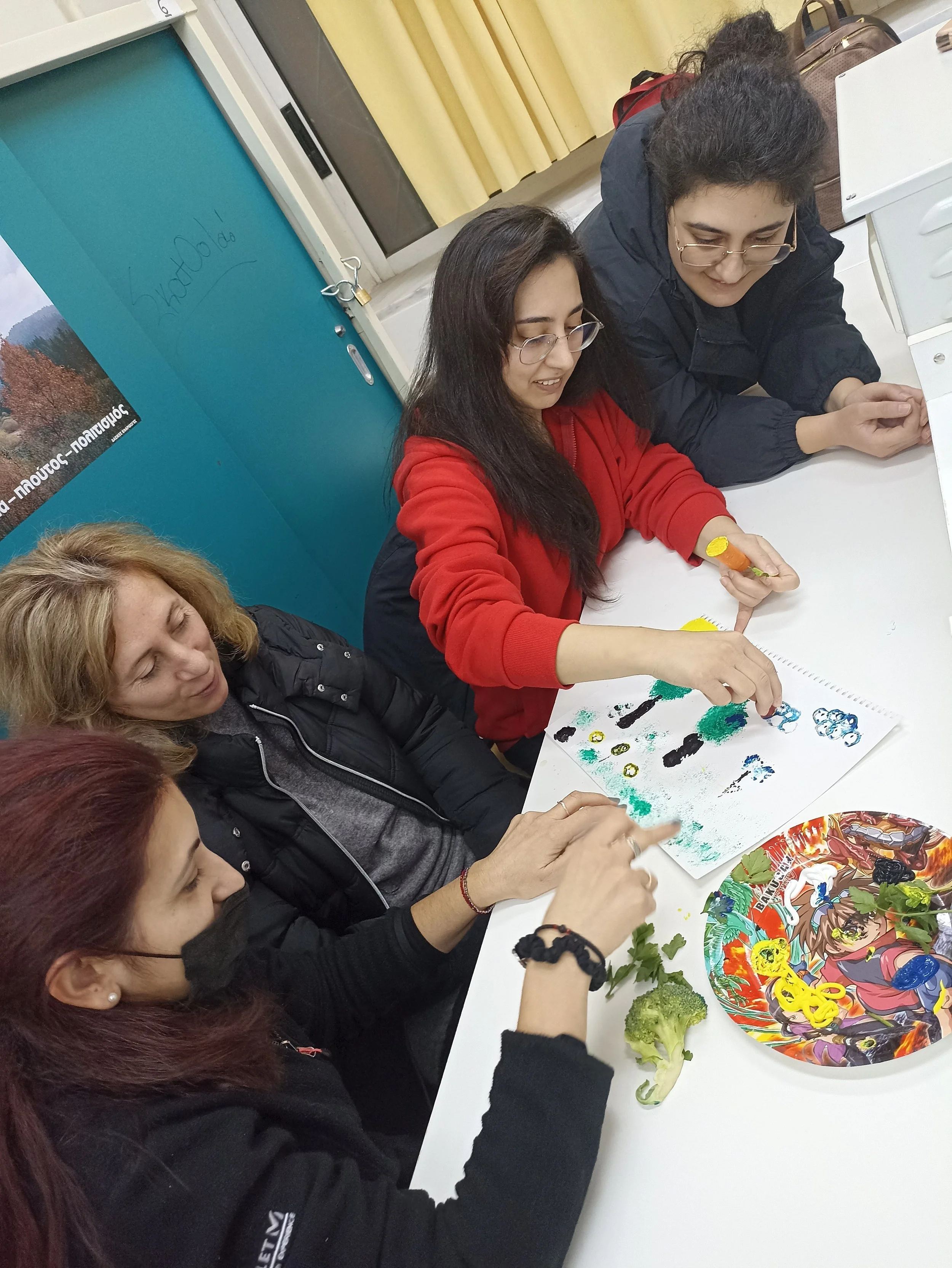
Students from the 2nd Evening Vocational High School of Acharnes and 1st Vocational School of Nafpaktos in Greece together with partners from Slovakia, and Türkiye, explored this question through the Erasmus+ eTwinning project Mediterranean Diet for Overall Health (MedDiet4Health).
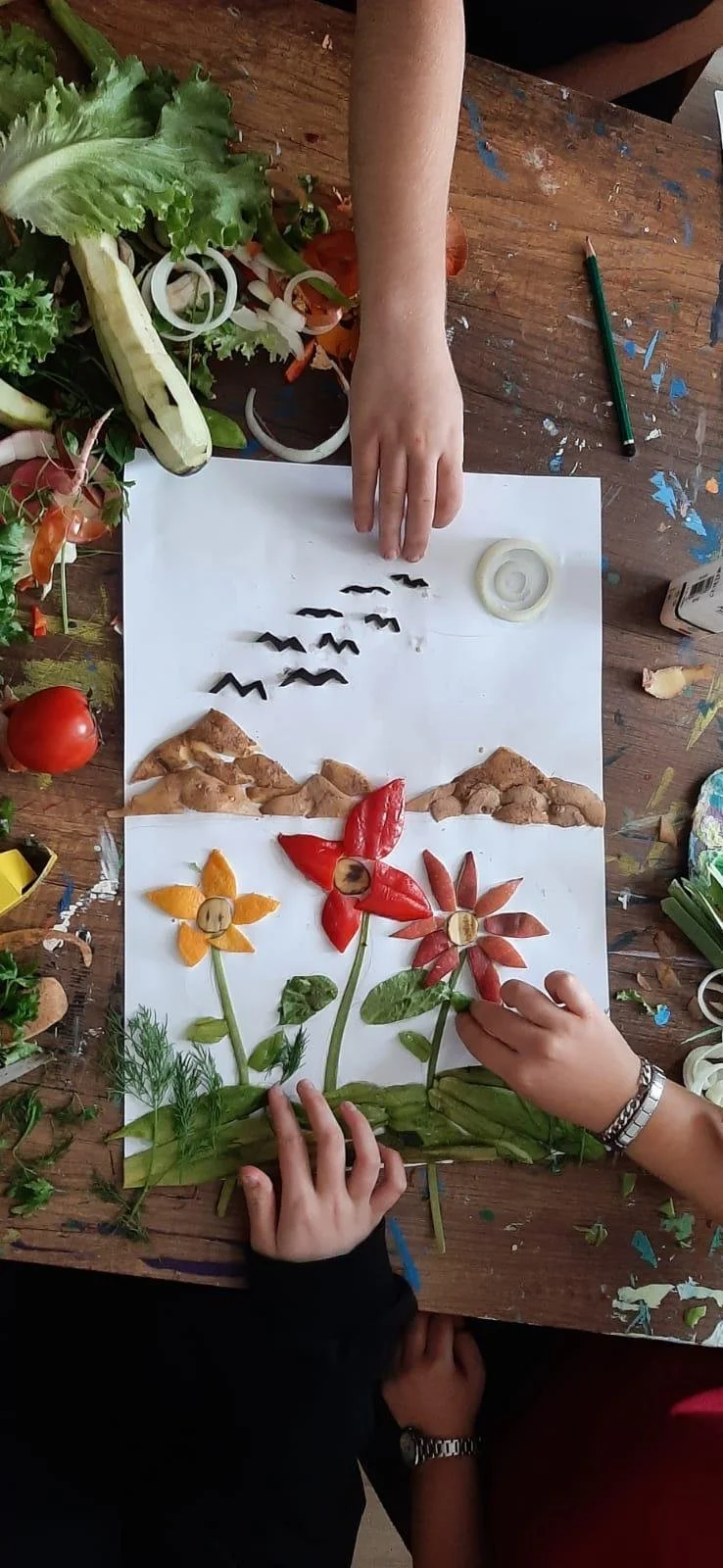
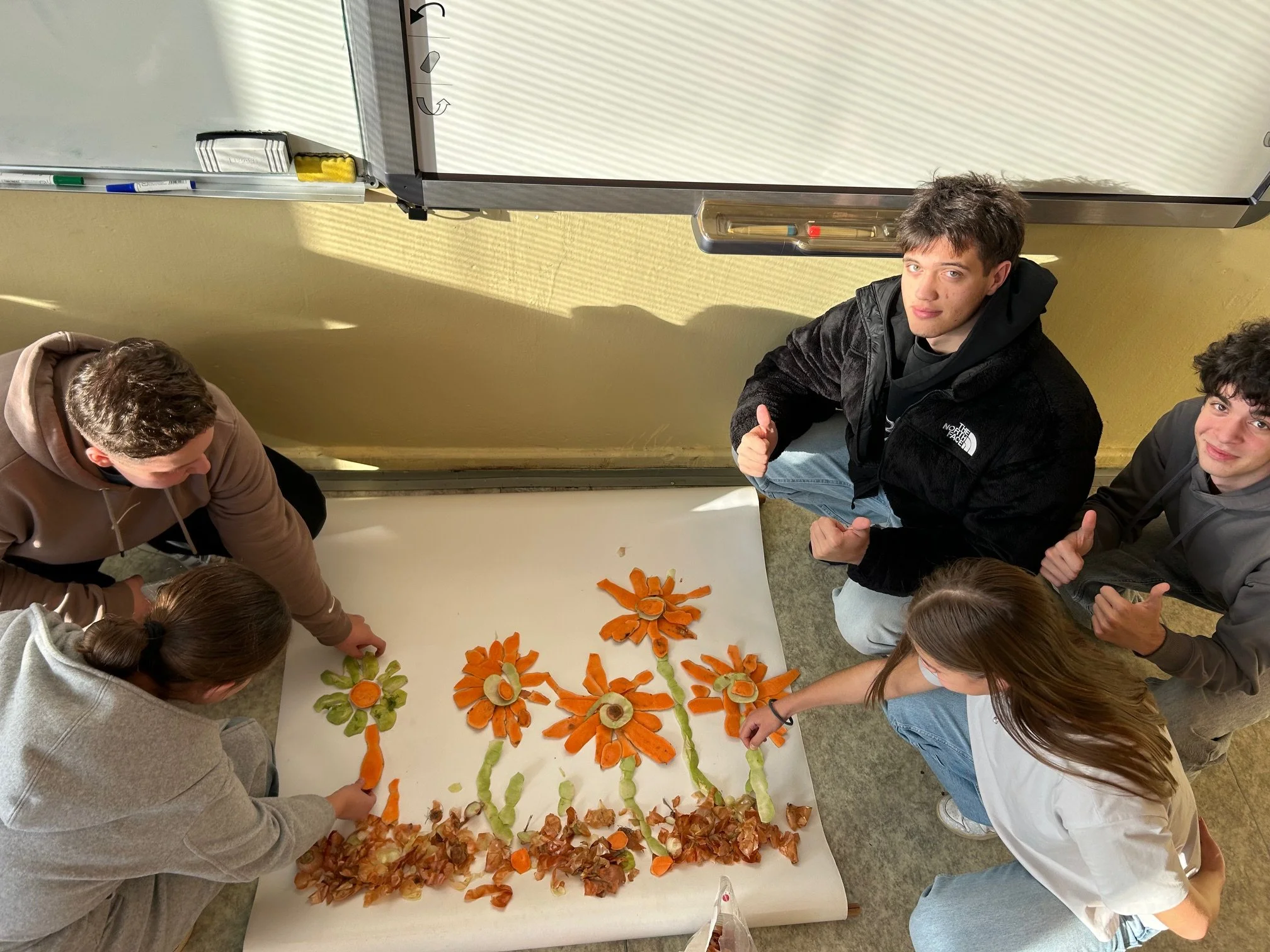
By combining agricultural, environmental, and food education, the project encouraged young people to rediscover the Mediterranean diet as more than a culinary tradition. Rich in seasonal and local foods, it became a pathway to healthier lifestyles, reduced food waste, and stronger ecosystem awareness.
Through activities such as Sharing Cultures Through Food, students exchanged recipes, traditions, and stories connected to their local food heritage, celebrating cultural diversity while promoting sustainable food systems.
Another key focus explored the Mediterranean diet as a sustainable dietary pattern. Students investigated food waste, created artistic food exhibitions, and even developed a cookbook using leftovers and legumes, showing how creativity and sustainability can go hand in hand.
The initiative brought together the 2nd Evening Vocational High School of Acharnes and 1st Vocational School of Nafpaktos in Greece, Gymnázium Cyrila Daxnera in Slovakia, and a Turkish NGO involving members of Namık Kemal Anadolu Lisesi, demonstrating the power of international collaboration in advancing sustainability education.
🔗 Explore the project:
https://meddiet4health.wixsite.com/erasmus-plus-educa-1
🔗 Sharing Cultures Through Food:
https://school-education.ec.europa.eu/en/etwinning/projects/mediterranean-diet-overall-health-meddiet4health/twinspace/pages/mediterranean-diet-sharing-cultures-through-food
🔗 Mediterranean Diet and Food Waste:
https://school-education.ec.europa.eu/en/etwinning/projects/mediterranean-diet-overall-health-meddiet4health/twinspace/pages/mediterranean-diet-sustainable-dietary-pattern-mediterranean-diet-and-food-waste

As part of the #GenerationRestoration Schools movement, the project highlights how schools can empower young people to take meaningful action for healthier communities and a healthier planet.
🌱 Is your school helping restore ecosystems, promote sustainability, or inspire environmental action? Join the growing #GenerationRestoration Schools initiative and become part of a global movement of schools creating positive change for people and planet.
LEAF Ecosystem Restoration Education in Action
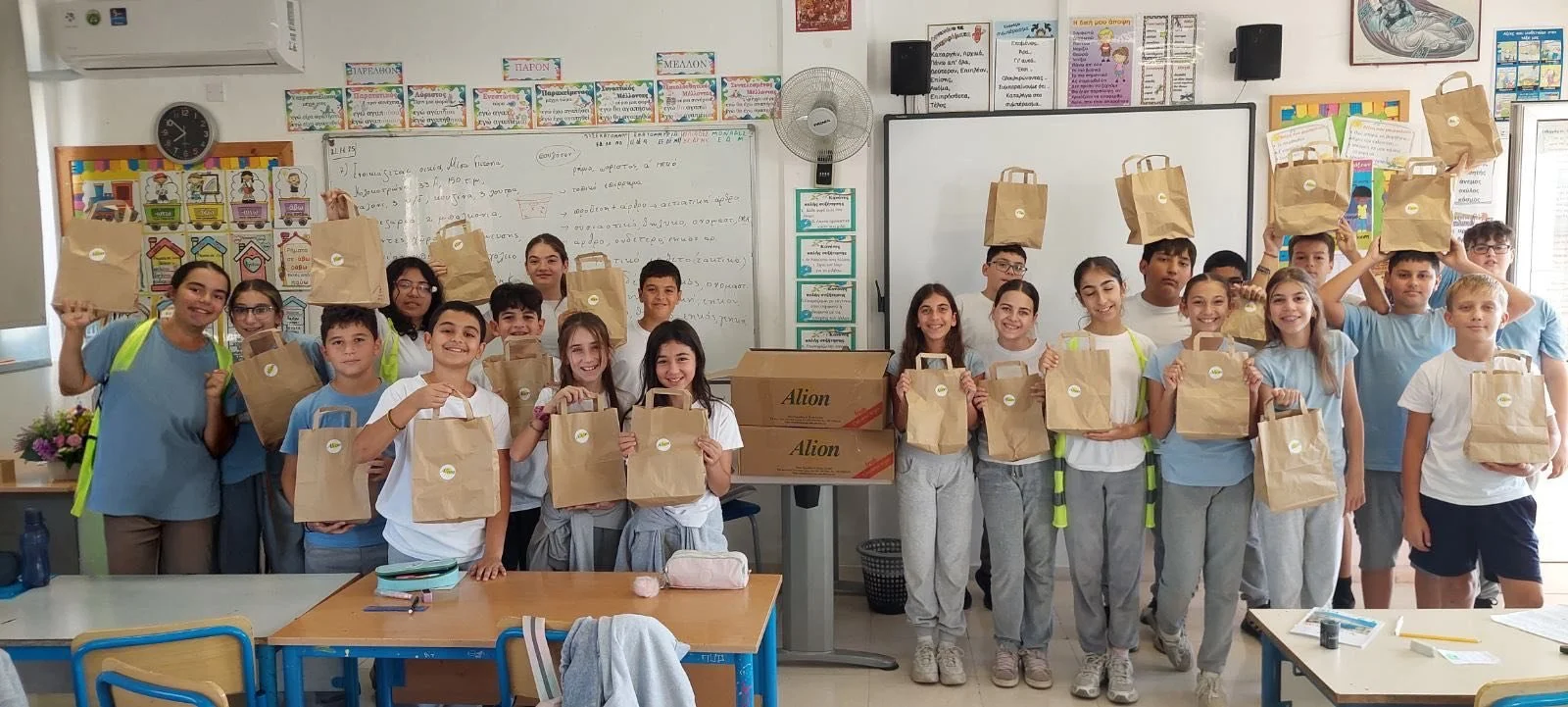
Students with their vegetable growing kits in Cyprus (2026)
Our LEAF National Operators in Cyprus, Argentina, Armenia, and Malaysia are bringing Ecosystem Restoration Education (ERE) to life in inspiring and creative ways. From planting native trees and developing agroforestry systems to growing sustainable vegetables, creating environmental sign language, integrating indigenous knowledge, and “adopting” neighbourhood spaces, these projects show that restoration can take many forms.
Part of a global effort led by the Foundation for Environmental Education (FEE), alongside UNESCO and NAAEE, this work supports the UN Decade on Ecosystem Restoration, Education Challenge 6.1, which aims to embed restoration into education systems worldwide by 2030.
Here is an overview of each project:
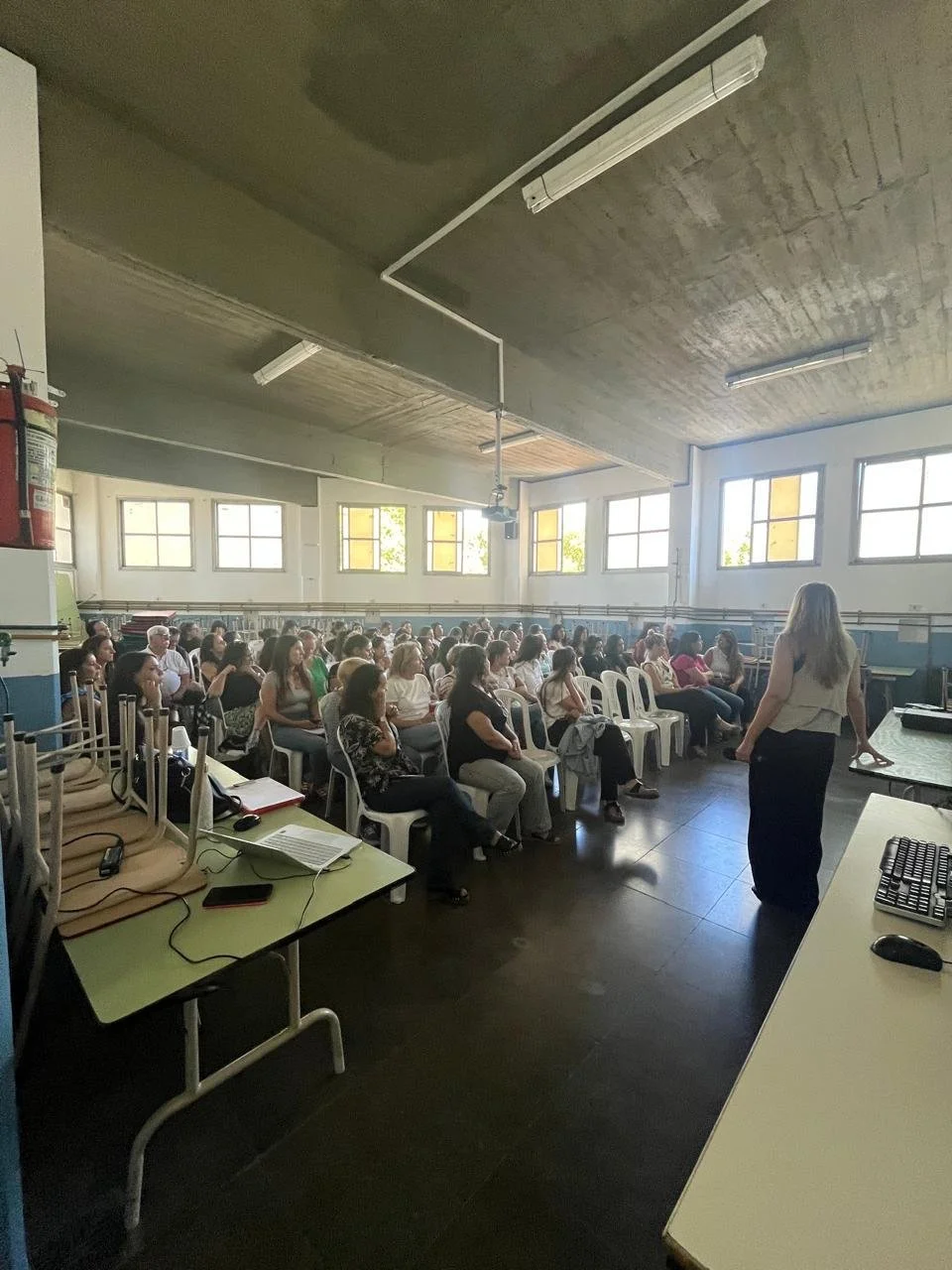
Teacher Meeting in Argentina to present the Pacha Kuti Project
Argentina – Pacha Kuti
The Pacha Kuti project empowers students and teachers to lead restoration actions such as reforestation and wetland clean-ups. By documenting their impact through youth journalism and integrating indigenous knowledge, schools become active agents of change.
Armenia– Sign4Earth
In Armenia, the project focuses on accessibility by developing environmental sign language for children with hearing disabilities. Combined with hands-on activities like tree planting and ecosystem exploration, students engage with local challenges while building awareness, inclusion, and a stronger connection to nature.
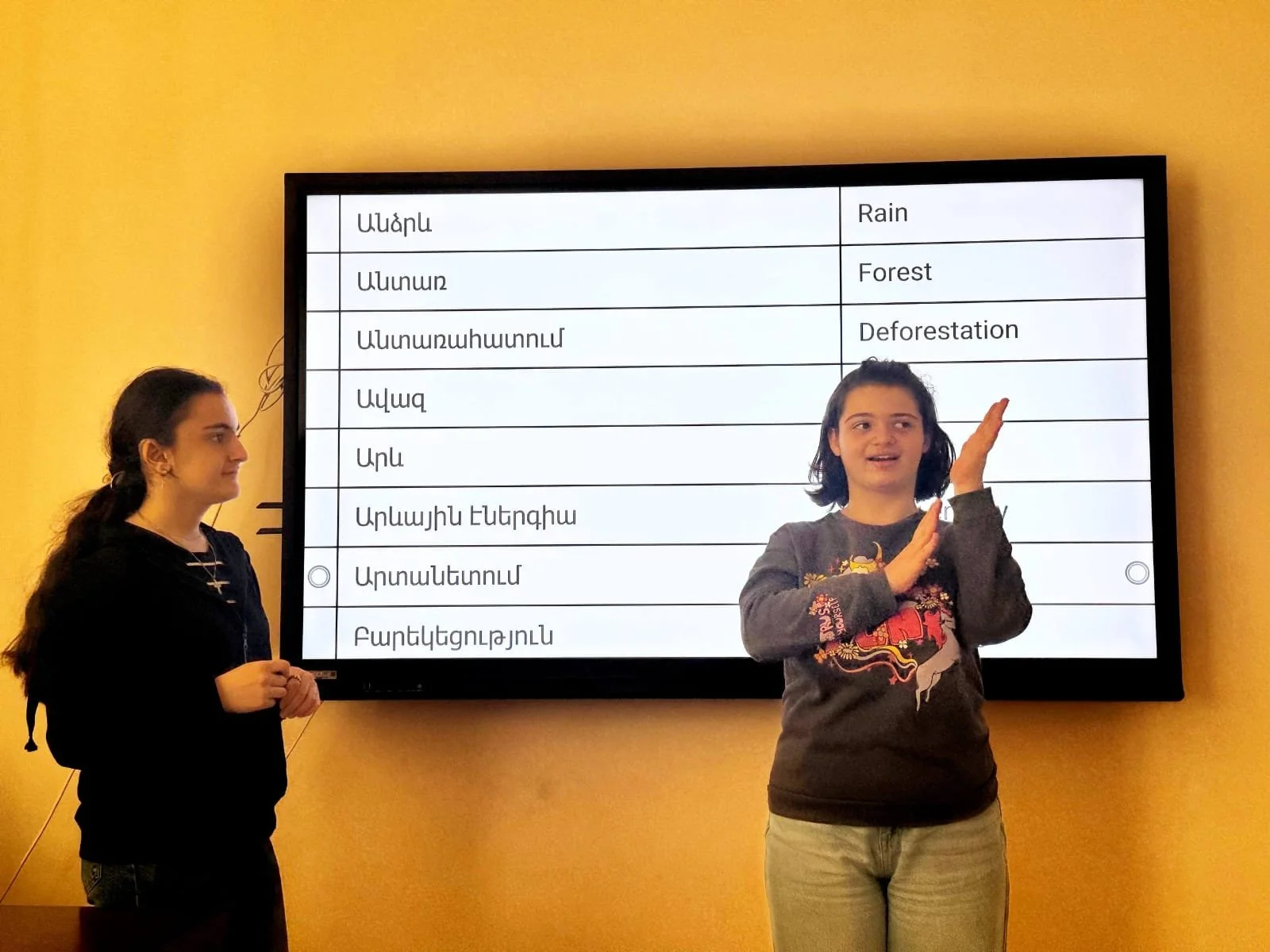
Students practice new environmental signs as part of the Sign4Earth Project
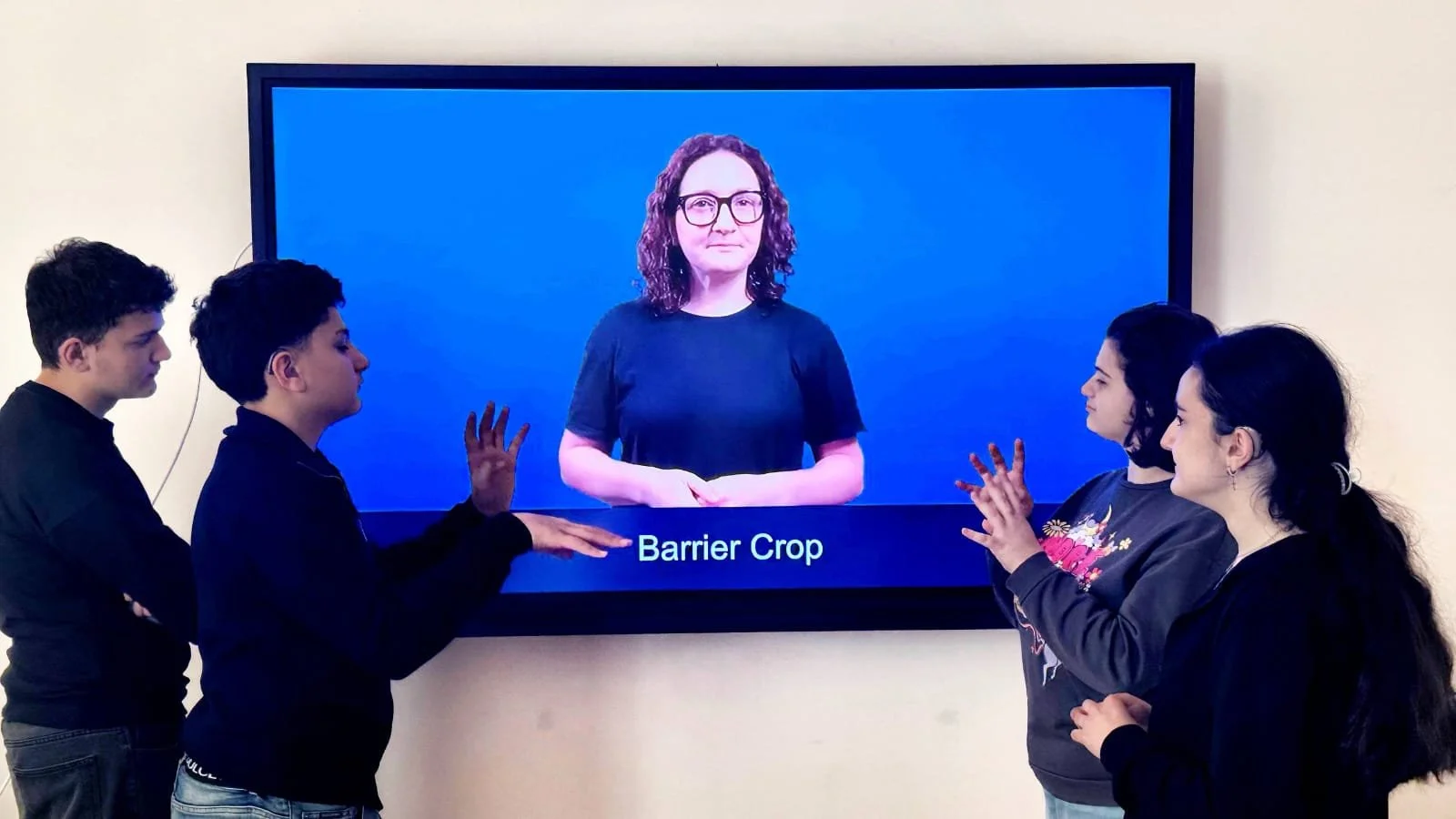
Students practice new environmental signs as part of the Sign4Earth Project
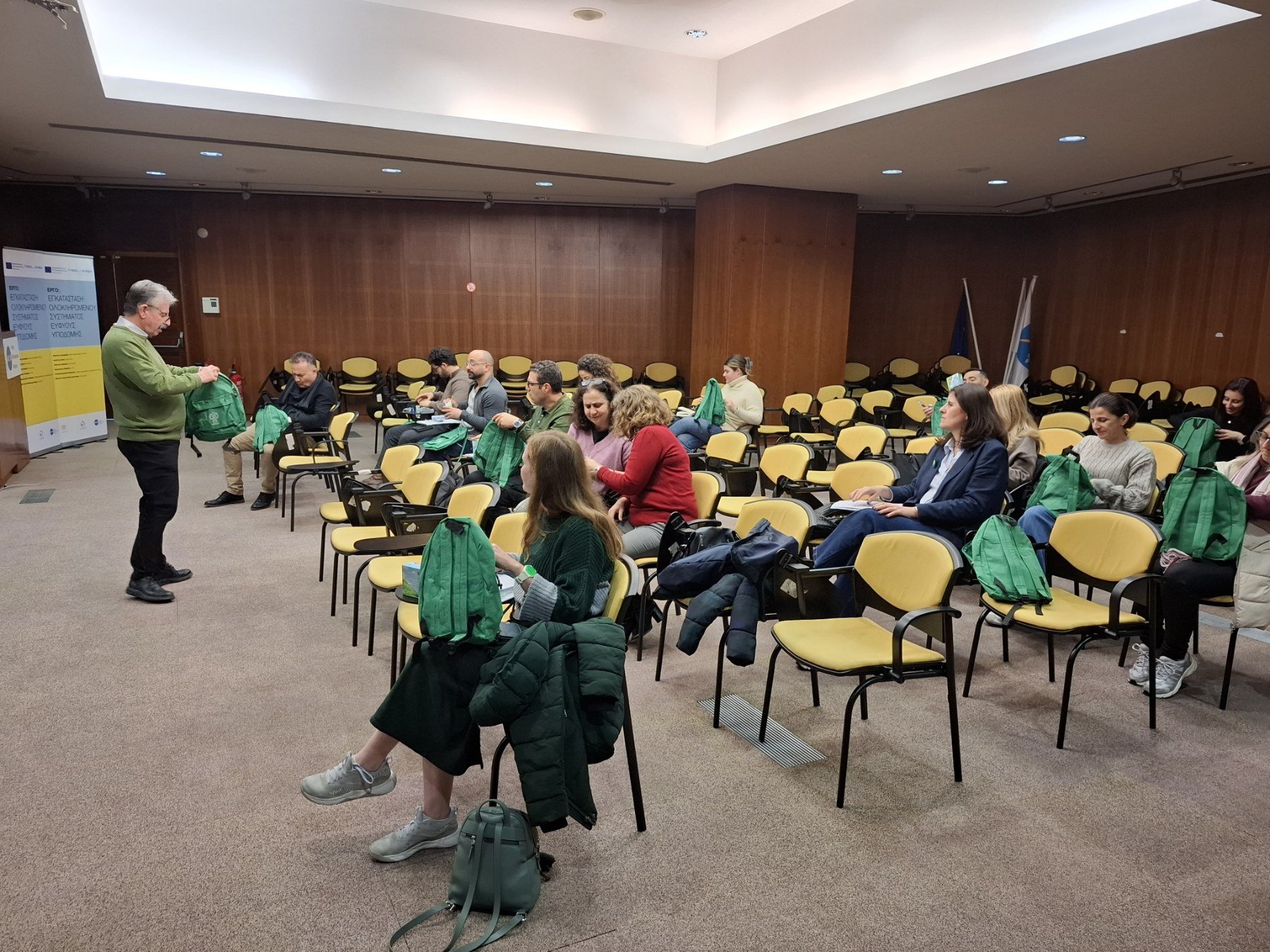
Teachers receive their Forest investigation kits in Cyprus
Cyprus – Join the Forest Bureau of Investigation
In Cyprus, teachers and students become “forest investigators”, exploring ecosystems with field kits and school activities. They also adopt and restore green neighbourhood spaces and grow their own vegetables, connecting ecosystem restoration and sustainability
Malaysia – Roots of Regeneration
In Malaysia, schools are transforming degraded spaces into agroforestry gardens that mimic natural ecosystems. Through planting, monitoring, and storytelling, students turn their schools into living laboratories for ecosystem restoration.
Each project is a perfect example on how we can combine hands-on action with local community impact, helping to nurture healthier ecosystems while building stronger and more resilient communities. Stay tuned for more updates as project activities continue to grow and evolve throughout the year!